
Lieferung heute & morgen

Qualitätsgarantie

Willkommens-Angebote freischalten: KOSTENLOSE Lieferung | Bis zu 80 % RABATT | Kostenlose 30-Tage-JoyPlus-Testphase
App herunterladen
A coffee machine should match the way you actually drink coffee. Even so, many shoppers choose one based on appearance, wattage or persuasive advertising claims. This can result in a large bean-to-cup machine ending up in a one-person household, a glass carafe being used in a busy office or an espresso machine being bought by someone who really only wants straightforward filter coffee.
As a Joybuy Product Recommendation Officer, I filter through the most important product data and explain what really matters when buying a coffee machine in Germany.
Espresso machines are often advertised with 15 or 20 bar. This figure primarily describes the pump’s maximum pressure. The quality in the cup also depends on the grind size, dosage, water temperature, brew group and how the machine is operated. High pressure alone is therefore not enough to base your choice on.
With coffee machines, a ‘cup’ usually does not mean a large coffee cup or mug. Depending on the model, 10 cups can mean 1.2 or 1.25 litres, for example. Always check the capacity in litres. For several people or a small office, 1.5 litres is practical, while 500 millilitres is often enough for single-person households.
A coffee machine with a grinder, milk frother or automatic milk system offers more drink options. At the same time, it includes additional components that need regular cleaning. With bean-to-cup machines, this includes the brew group, milk tubes, drip tray and grinder, among other parts. If you want to keep maintenance to a minimum, a traditional filter coffee machine is often the simpler choice.
A coffee machine with a glass carafe usually sits on a warming plate. You can see the coffee and easily pour it into your cups. However, keeping coffee warm on the plate for longer periods can affect its flavour, and the plate requires electricity.
A coffee machine with a thermal carafe retains heat without a permanently heated plate. This is useful if the coffee will be served over a longer period. Check whether the carafe is double-walled, how the lid works and whether it can be opened fully for cleaning.
A drip stop prevents coffee from continuing to flow when the carafe is briefly removed during brewing. An automatic switch-off reduces the risk of the warming plate being left on unnecessarily. Both features are useful in everyday use, but they do not replace unplugging the appliance when you are away for a longer period.
Other relevant features include:
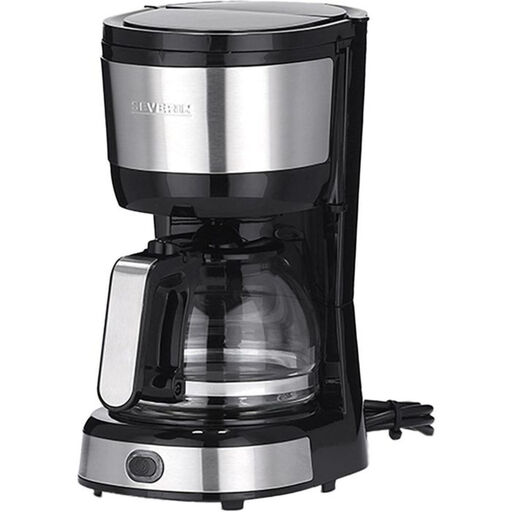
Why this product suits this profile: This compact coffee machine holds 500 ml, or up to 4 cups, making it suitable for single people, couples or small workspaces with limited room.
Its manageable capacity prevents unnecessary leftovers. The permanent filter, drip stop and automatic switch-off reduce consumables and effort during operation.
750 W, 500 ml capacity, permanent swing-out filter, keep-warm function and cable compartment.
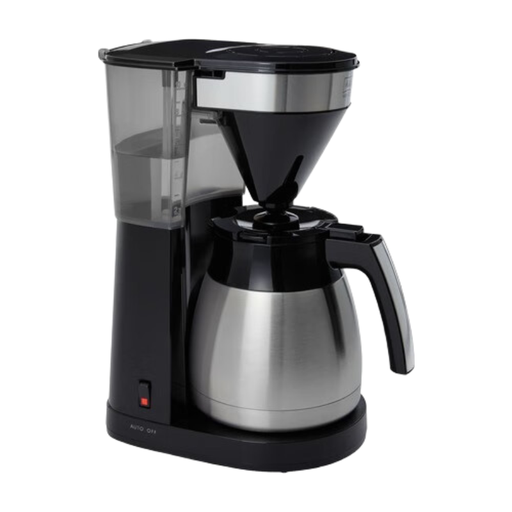
Why this product suits this profile: This coffee machine with a thermal carafe is suitable for households and small offices where up to 1.25 litres of filter coffee are prepared and served over a longer period.
The stainless steel insulated carafe does not require a warming plate to remain switched on. According to the product details, the removable filter holder is dishwasher-safe.
1.25-litre capacity, Easy-Click lid, drip stop, automatic switch-off and external water-level indicator.
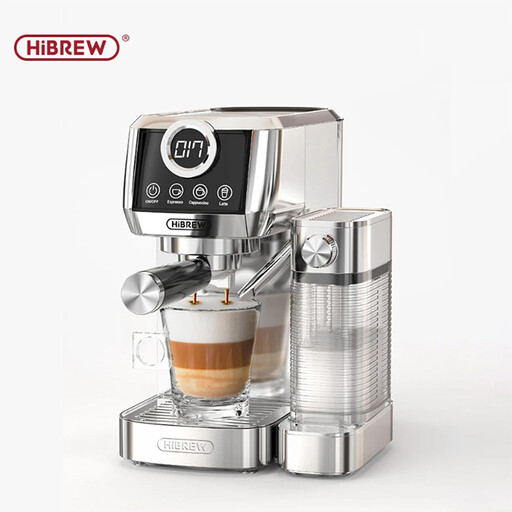
Why this product suits this profile: This espresso machine is designed for households or small offices where espresso, cappuccino and latte drinks are prepared using ground coffee.
The choice is not based on pump pressure alone: this model offers three temperature settings, a removable water tank and a separate milk container.
20 bar pump pressure, 1.3-litre water tank, 700-ml milk container and 1,350 W power according to the product data.
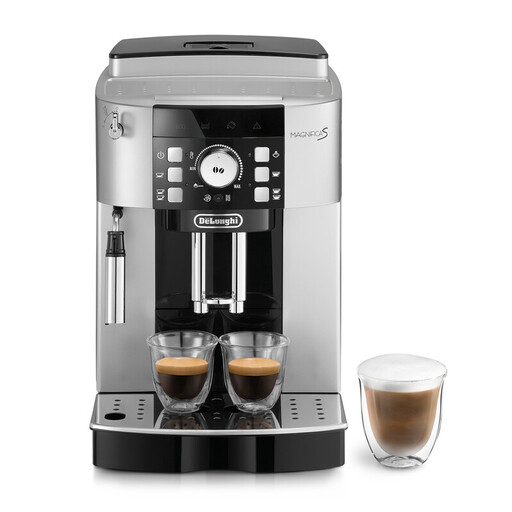
Why this product suits this profile: This bean-to-cup machine works with beans or ground coffee and offers direct-selection buttons for coffee and espresso, along with an integrated milk frother.
The removable brew unit makes manual cleaning easier. You can adjust the grind size, coffee strength and water volume instead of relying solely on preset programmes.
1.8-litre water tank, 250-g bean hopper, 13 grind settings and hot-water function according to the product description.
We have put together a complete, regularly updated list of products that fully meet these strict selection criteria and the safety regulations applicable in the EU.
Descale your coffee machine according to the hardness of your water and how often you use it. Limescale can affect the water flow and increase heating times. With filter models, the filter holder and carafe should be rinsed regularly. Milk systems require considerably more frequent cleaning, as milk residues can pose a hygiene risk.
Ongoing costs include paper filters, descaler, water filters and coffee beans, as well as electricity. A permanent filter saves paper, but changes how the machine is used and may allow more fine particles through. A coffee machine with an automatic switch-off can limit unnecessary operating time for the warming plate.
A compact filter coffee machine with a capacity of around 500 ml is a sensible choice if you usually prepare one to four cups. For espresso and milk-based drinks, a small espresso machine may be suitable. A bean-to-cup machine is most worthwhile if you regularly want a range of different drinks and are happy to accept the additional maintenance.
A thermal carafe does not need a permanently heated warming plate after the brewing process. The actual saving depends on how long the machine is used, its power rating and how it switches off. It is also important to close the carafe properly.
Its lifespan depends on the type of machine, water quality, frequency of use and care. Regular descaling, emptying leftover water and cleaning the machine correctly can help maintain its performance. Before buying, check the availability of spare parts, warranty conditions and how easy it is to access important components.