
Lieferung heute & morgen

Qualitätsgarantie

Willkommens-Angebote freischalten: KOSTENLOSE Lieferung | Bis zu 80 % RABATT | Kostenlose 30-Tage-JoyPlus-Testphase
App herunterladen
A coffee machine should fit into your everyday routine: a quick cup before work, several drinks for the household or a compact companion for camping and travel. The choice ranges from capsule machines and Senseo coffee pod machines to portafilter machines and bean-to-cup coffee machines. However, differences in capsule compatibility, water tank capacity, controls and cleaning can have a greater impact than many advertising claims suggest.
Specifications such as 15 or 20 bar sound impressive. However, the grind size, amount of coffee, water temperature, brewing time and filter design also affect what ends up in your cup. A 20-bar espresso machine may be versatile, but it will not automatically deliver your preferred flavour. Assess the system as a whole rather than focusing solely on the pressure rating.
With a Nespresso-compatible coffee machine, capsule machine or multi-pod model, you should check the exact capsule type. Nespresso Original, Dolce Gusto, ESE pods, K-Cup formats and ground coffee are not automatically interchangeable. Senseo machines generally accept Senseo coffee pods or suitable soft pods, but not standard capsules.
A compact coffee machine saves worktop space, but you still need room to open the lid, remove the water tank or insert the portafilter. So pay attention to width, depth, height and clearance. For a coffee machine intended for home use, cleaning should also fit realistically into your daily routine.
The brewing method determines flavour, ease of use and ongoing costs:
A small household does not necessarily need a large tank. For individuals and couples, 0.6 to 1.2 litres may be sufficient. A larger tank reduces the need for refilling, but takes up more space and should be emptied and cleaned regularly. Portable machines have a significantly smaller capacity: the HiBREW H4A, for example, uses a 60-ml water tank, while the H4C has markings for 50, 75 and 100 ml.
If you want to prepare cappuccinos or lattes, you will need a coffee machine with a milk frother or a separate frothing aid. A steam wand offers greater control, but must be cleaned immediately after use. Automatic milk systems are more convenient, but contain additional tubes and components.
Useful features include a removable water tank, an accessible drip tray, dishwasher-safe parts and a descaling indicator. In Germany, the descaling interval depends on water hardness. The manufacturer’s instructions should take priority, as general claims about service life are not reliable.
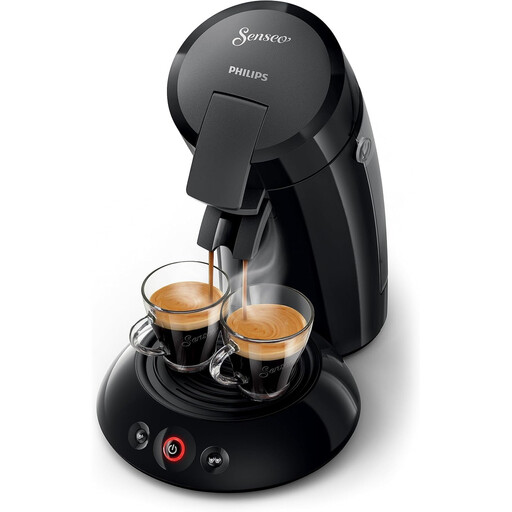
Why this product suits the profile: The fully automatic operation prepares one or two cups using Senseo coffee pods. This makes it straightforward and suitable for individuals, couples and small households, without the need for a grinder.
The coffee format it uses is clearly defined. The 0.7-litre tank and dedicated buttons for one or two cups make it easier to assess day-to-day use.
Preparation for 1 or 2 cups, automatic switch-off and removable components for cleaning.
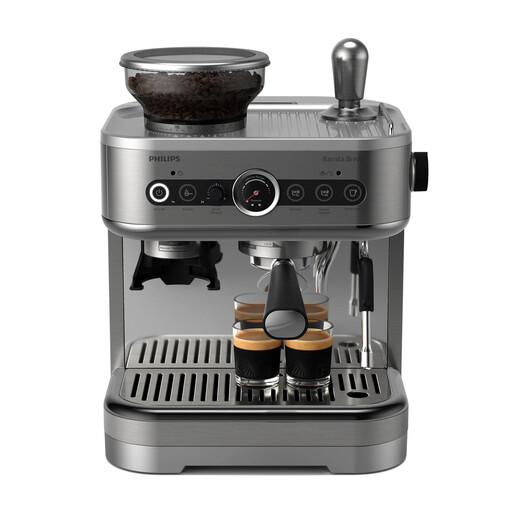
Why this product suits the profile: If you want to use beans rather than capsules and prepare espresso, Americano or milk drinks, this machine combines a grinder, portafilter and steam wand.
Alongside the 15-bar rating, the machine specifies a grinder with five settings, a 2.5-litre water tank and PID temperature control.
250-g bean hopper, 0.45-litre milk jug, pressure gauge and removable parts that are, according to the product information, dishwasher-safe.
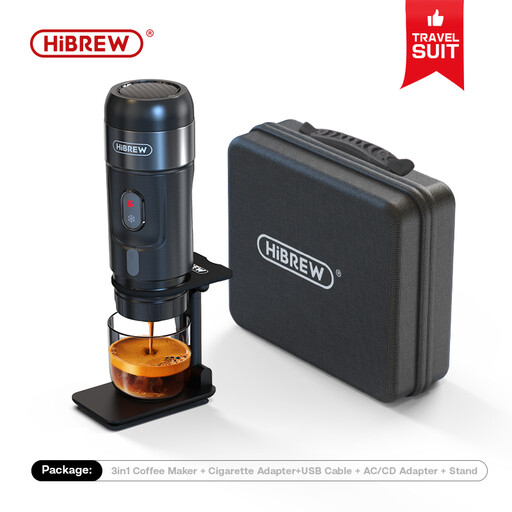
Why this product suits the profile: This portable coffee machine is designed for use in vehicles and places with a suitable 12-volt DC power supply. It handles NS and DG capsules as well as ground coffee.
The power supply, tank capacity and included adapters are clearly specified. This allows you to check before buying whether your vehicle, capsules and desired serving are compatible.
Product weight of 0.575 kg, 60-ml water tank, hot and cold preparation, and 15-bar pump pressure according to the product information.
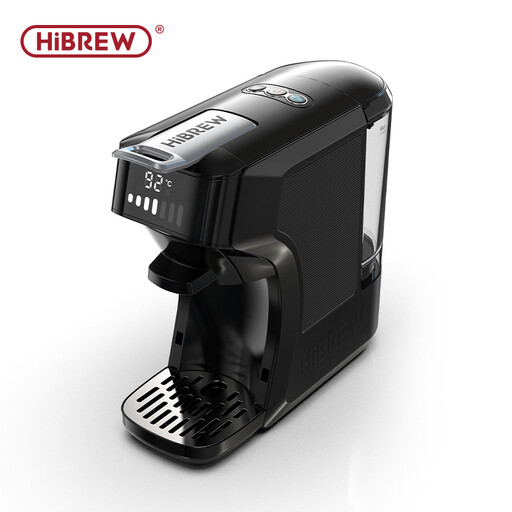
Why this product suits the profile: This multi-system is aimed at households that use different coffee formats. It supports several types of pods and ground coffee while retaining compact dimensions.
Compatibility is described as covering NS, DG, K-Cup-like formats, ESE pods and ground coffee. Even so, you should compare this with the supplies you already have before buying.
600-ml water tank, hot and cold modes, 220–240-volt operation and a 20-bar pump rating according to the product data.
We have put together a complete, regularly updated list of products that fully meet these strict selection criteria and the safety regulations applicable in the EU.
The purchase price is only part of the cost; consumables and maintenance also matter. Capsules and pods create an ongoing cost per cup, while ground coffee and beans offer a different cost structure but require suitable storage and cleaning. You should also check:
A compact coffee machine makes sense when its dimensions and ease of use suit your needs. For espresso made from beans, a portafilter machine with a grinder may be the right choice. For quick servings, capsule or pod machines are more practical. If you want to use several formats in one machine, check the adapters and actual compatibility particularly carefully.
For individuals or couples, machines with a tank capacity of around 0.6 to 1.2 litres and a simple 1- or 2-cup function are suitable. A compact capsule or pod machine reduces preparation time and saves worktop space. If you prefer using beans, make sure you account for the width, grinder and cleaning requirements of a portafilter or bean-to-cup machine.
There is no reliable standard service life. It depends on how intensively the machine is used, water hardness, materials, maintenance and the availability of spare parts. Regular descaling according to the manufacturer’s instructions, rinsing milk systems and emptying the drip tray and capsule container can help keep the machine running smoothly. Check the relevant manufacturer’s warranty and service conditions before buying.
The cost is determined by the capsule price, electricity consumption and, where applicable, the cost of water filters or descaler. Electricity usually accounts for only part of the total cost per cup; with frequent use, the price of consumables has a greater impact. So do not compare just the purchase price. Also consider the capsules or pods available and their cost per serving.