
Lieferung heute & morgen

Qualitätsgarantie

Willkommens-Angebote freischalten: KOSTENLOSE Lieferung | Bis zu 80 % RABATT | Kostenlose 30-Tage-JoyPlus-Testphase
App herunterladen
The search for the right coffee machine can quickly become overwhelming. The market is filled with hundreds of models, each advertised with a long list of features and marketing promises. However, not every advertised feature is genuinely useful in daily life. As your Joybuy Product Recommendation Officer, I'll help you identify the crucial criteria and avoid common purchasing traps, enabling you to make an informed decision.
Before you buy a coffee machine, you should familiarise yourself with the most common marketing traps that often lead to disappointment and unnecessary expense.
To find the right coffee machine, you should focus on three core technical aspects that directly influence taste, handling, and longevity.
Choosing the system is the most fundamental decision and depends on your personal preferences:
For a bean-to-cup coffee machine, these two components are crucial for the result in your cup:
The longevity and hygiene of your machine depend directly on its care. Pay attention to the following features:
Based on these criteria, we have compiled a few models for typical requirement profiles. This is not a bean-to-cup coffee machine test, but rather a guide for orientation.
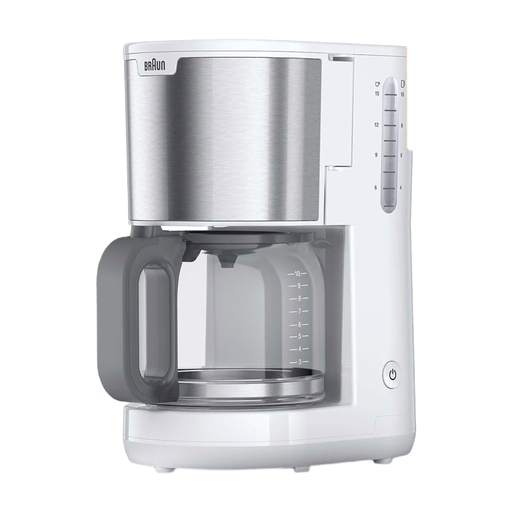
Why This Fits Their Persona: Ideal for anyone who wants to reliably brew a large pot of aromatic filter coffee in the morning or for guests, without dealing with complex settings.
This model focuses on its core function, avoiding expensive, unused extras. Cleaning is straightforward thanks to dishwasher-safe parts.
The OptiBrew System optimises temperature and brewing time for a full-bodied aroma. The drip-stop feature allows you to pour a cup mid-brew.
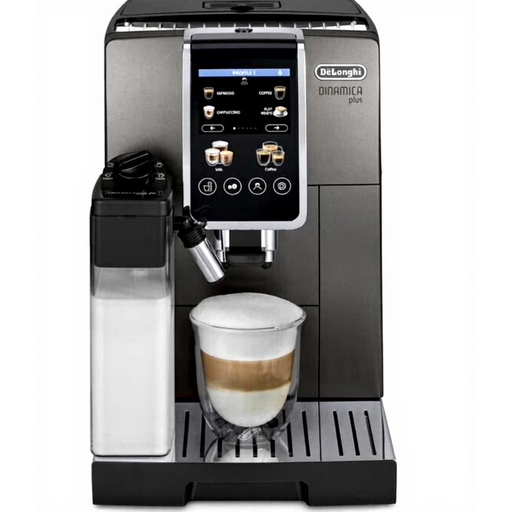
Why This Fits Their Persona: Perfect for families or coffee lovers who want a wide variety of drinks, from espresso to latte macchiato, at the touch of a button and value personalised settings.
Although feature-rich, its smart display ensures intuitive operation and saves favourites. The automatic cleaning system for the milk container minimises maintenance effort.
The LatteCrema Milk System produces creamy milk foam. With 24 recipes and up to 4 user profiles, the machine offers high flexibility.
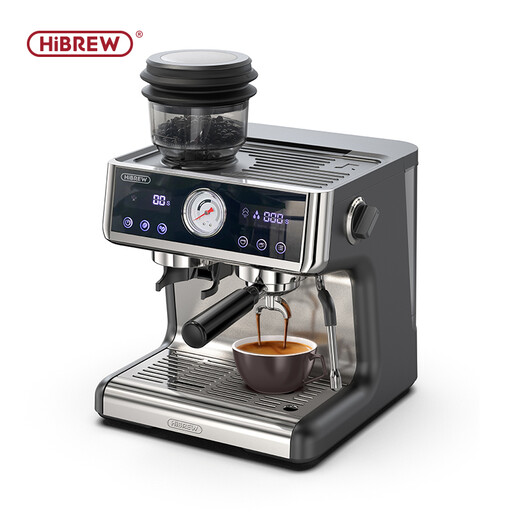
Why This Fits Their Persona: Suitable for users who want maximum control over the brewing process and value professional-grade components to perfect their espresso results.
Instead of a high number of recipes, this device focuses on high-performance core components. The high pressure of 20 bars is intelligently combined with a dual-boiler system.
The dual-boiler heating system allows for simultaneous extraction and milk frothing. The separate grinder with 30 settings offers precise control over the grind size.
We have compiled a complete, up-to-date list of products that fully meet these strict selection criteria and German safety regulations.
The frequency depends on the water hardness in your area and your usage. Most modern bean-to-cup machines have an indicator that reminds you to descale. As a rule of thumb, with average use and medium water hardness, descaling should be done every two to three months. Using a water filter in the tank can extend these intervals.
For an espresso from a fully automatic machine, a fine grind is generally recommended. This slows down the water flow and allows for a more intensive extraction of aromas. For a Caffè Crema, a slightly coarser grind can be chosen. Start with a medium setting and gradually adjust the grind until the coffee suits your taste. Only make adjustments while the grinder is running to avoid damage.
A bean-to-cup machine is an all-in-one device that grinds beans, brews coffee, and often froths milk at the touch of a button. It is designed for maximum convenience. A classic espresso machine (portafilter machine) requires manual steps: you grind the beans separately, fill and tamp the coffee grounds into the portafilter, and start the extraction manually. It offers more control but also requires more knowledge and effort.