
Lieferung heute & morgen

Qualitätsgarantie

Willkommens-Angebote freischalten: KOSTENLOSE Lieferung | Bis zu 80 % RABATT | Kostenlose 30-Tage-JoyPlus-Testphase
App herunterladen
Choosing new equipment for your home coffee setup can quickly become overwhelming. Manufacturers advertise countless features and elegant designs, but not every machine delivers on its promise. Often, impulse buys lead to frustration and unnecessary expense. Before you buy a new coffee machine, it's crucial to understand the common pitfalls to make an informed decision that fits your daily routine.
This guide will help you identify the key features and make a choice that brings long-term satisfaction—whether it's for a quick coffee in the morning or the cosy coffee corner you want to set up.
Many buyers focus on marketing promises instead of their actual needs. This often leads to three common problems:
bean-to-cup machine with a dozen specialty programmes sounds tempting. In practice, however, many people only use one or two. The complexity results in a higher purchase price and often more maintenance for functions that go unused.drip coffee maker uses unnecessary energy and coffee for a single person. Furthermore, the carafe—whether it's glass with a hot plate or a thermal one—significantly affects the coffee's temperature and aroma over time.To avoid buyer's remorse, you should focus on a few essential technical features. These are the key determinants of the quality, convenience, and longevity of your coffee setup.
Choosing the right system is the most fundamental decision.
whole coffee beans at the touch of a button. Look for a high-quality grinder (ceramic is often quieter and more durable) and easy-to-use cleaning programmes.ground coffee.Consider how many cups you typically brew at once.
An often-overlooked but crucial point for the hygiene and lifespan of the machine. Check if the following parts are removable and dishwasher-safe:
Automatic descaling and cleaning programmes significantly reduce manual effort and ensure consistent coffee quality.
Here are some product recommendations tailored to different user profiles that specifically avoid the pitfalls mentioned earlier.
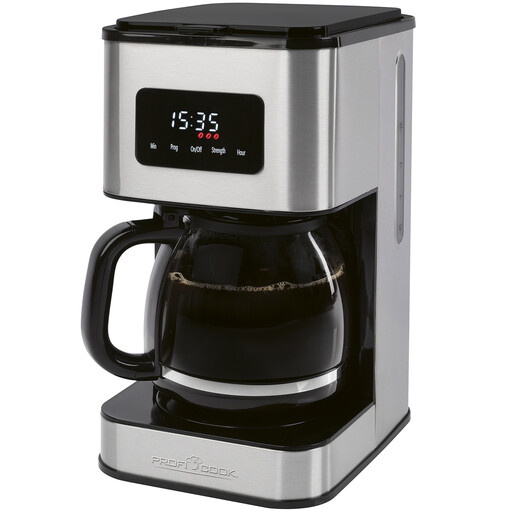
Why it's a great fit: Perfect for serving multiple people. With its programmable timer, your coffee can be ready and waiting for you in the morning. The aroma selection function allows you to adjust the strength to suit different tastes.
Avoids the mistake of buying a machine that's too small. Its 1.5-litre capacity (up to 14 cups) meets the needs of families or small teams without constant re-brewing.
Large Volume: 1.5-litre capacity. Programmable: 24-hour timer for scheduled coffee enjoyment. Aroma Selection: 3 levels to customise coffee strength.
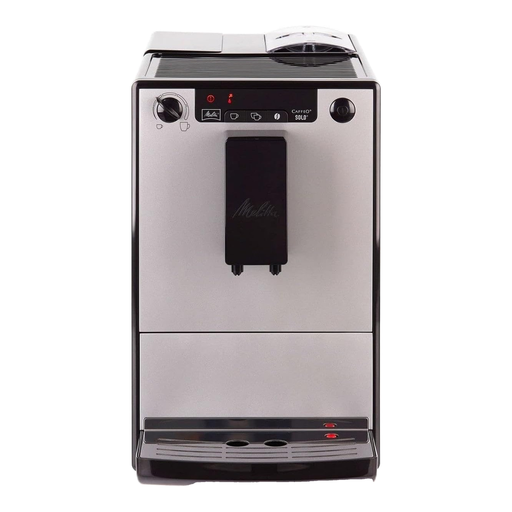
Why it's a great fit: This compact bean-to-cup machine focuses on the essentials: perfect coffee from freshly ground beans. It's ideal for users who prioritise aroma and can do without a complex milk system.
Avoids the purchase of an overly complex machine. Omitting a milk system reduces complexity, cleaning effort, and price without compromising on coffee aroma.
Aroma Extraction System: For maximum flavour development. Compact Design: Fits even in smaller kitchens. Simple Operation: Focuses on coffee and espresso.
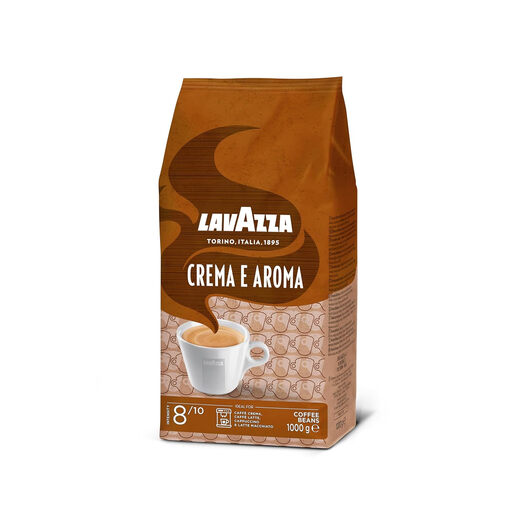
Why it's a great fit: A great coffee machine needs the right coffee. This blend of Arabica and Robusta beans is a versatile classic for bean-to-cup machines, delivering an intense aroma with a stable crema. For an inviting atmosphere, add matching accessories like a coffee-scented candle.
Avoids buying unsuitable or low-quality coffee that fails to unlock a good machine's potential. Whole beans guarantee maximum freshness and aroma compared to pre-ground coffee.
Whole Beans: For fresh grinding and full aroma. Versatile: Suitable for bean-to-cup and portafilter machines. Aroma Profile: Notes of chocolate for a classic Italian espresso.
We have compiled a complete, up-to-date list of products that fully meet these strict selection criteria and German safety regulations.
1. How often should a bean-to-cup machine be descaled? The frequency depends on the water hardness in your area and how often you use it. Most modern machines have a built-in indicator to remind you. As a rule of thumb: with average use and medium water hardness, descaling every two to three months is recommended to maintain the machine's function and lifespan.
2. Are whole coffee beans worth it compared to ground coffee? For aroma, the difference is significant. Coffee quickly loses its volatile aromatic compounds after grinding. Whole coffee beans, ground just before brewing, offer a much more intense and fresh taste experience. However, if convenience and speed are your priorities, high-quality, airtight-packaged ground coffee is a good alternative.
3. What are the essentials for a coffee corner? Besides the coffee machine and good coffee, a few accessories are useful. These include a milk frother, airtight containers for coffee and sugar, and matching cups and spoons. Tea drinkers should also be considered; practical tea accessories like tea infusers for loose-leaf tea complete the setup. A subtly scented candle can also create a cosy atmosphere.