
Lieferung heute & morgen

Qualitätsgarantie

Willkommens-Angebote freischalten: KOSTENLOSE Lieferung | Bis zu 80 % RABATT | Kostenlose 30-Tage-JoyPlus-Testphase
App herunterladen
Whether for the kitchen, office or when you’re out and about: there is a wide choice of coffee machines and coffee. Alongside traditional machines, you can choose from capsule models, bean-to-cup coffee machines, pour-over filters, instant coffee and coffee concentrate. Product names often promise high pressure, a wide range of drinks or particularly easy operation. What matters, however, is whether the technical specifications suit your own habits.
A 20-bar espresso machine may initially sound more powerful than a 15-bar model. However, the pump rating alone does not indicate the pressure at which water actually passes through the coffee grounds. Grind size, dose, tamping pressure, portafilter and temperature stability are equally important.
A high bar rating is therefore a technical specification, but not proof of quality on its own. If you want to prepare espresso, you should assess the overall equipment and features.
Compatibility is particularly important when choosing a capsule coffee machine. Systems such as NS Original, Dolce-Gusto-compatible capsules, K-Cup formats and ESE pods are not automatically interchangeable. Using ground coffee may also require a separate filter insert.
Before buying, users should therefore check:
A slim machine fits neatly into small kitchens and offices, but may have a smaller water tank or a shorter drip tray. If you make several cups a day, this means more frequent refilling and emptying. With a portable espresso machine, you should also check whether it heats the water itself or only works with water that is already hot.
A portafilter machine is ideal for buyers who want to control the grind size, dose and milk frothing themselves. A semi-automatic espresso machine with a stated pump pressure of 15 or 20 bar provides a technical basis for this, but requires more manual steps than a bean-to-cup coffee machine.
A bean-to-cup coffee machine grinds and brews coffee at the touch of a button. According to the product specifications, the Melitta Caffeo Solo offers three intensity settings, an integrated grinder, a 1.2-litre water tank and an automatic cleaning function. If you prefer milk drinks such as lattes or cappuccinos, check whether a steam wand or separate milk system is included.
A coffee machine for ground coffee gives you more freedom to choose your beans and roasts. A capsule coffee machine, on the other hand, offers portion-controlled preparation with little measuring required. Combination machines may be appealing to households with different preferences.
Your daily usage should be the main consideration when choosing a machine: if you only drink one cup in the morning, you may not need a large tank. For frequent coffee drinkers, tank capacity, heat-up time, removable components and automatic switch-off are more important.
Removable water tanks, drip trays and capsule holders make regular cleaning easier. On machines with a steam wand, it should be cleaned after every use in accordance with the manufacturer’s instructions. Limescale build-up depends on water hardness; an adjustable water-hardness programme or suitable water filter can make maintenance easier to plan.
For Germany, you should also take account of 220–240 V at 50/60 Hz and ensure the machine is placed on a safe, dry surface. Hot outlets, steam and heated cup-warming areas must not be touched while the machine is operating.
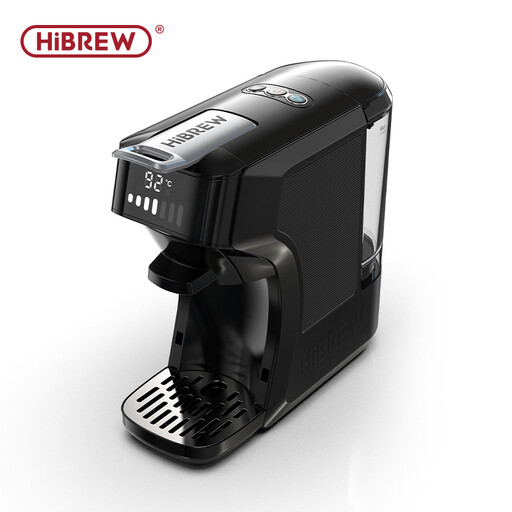
Why this product suits this profile: According to the product specifications, this compact model supports several capsule types as well as ground coffee, and has a 600-ml water tank. This makes it suitable for beginners who want to try different preparation methods.
The supported formats are listed specifically, so buyers do not have to rely solely on the general term “Multi-Pod”.
6-in-1 compatibility, stated 20-bar pump pressure, 600-ml tank and compact dimensions of 300 × 143 × 280 mm.
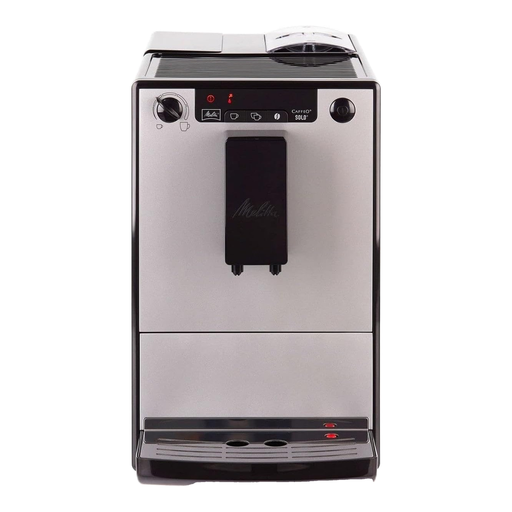
Why this product suits this profile: This bean-to-cup coffee machine grinds the beans immediately before brewing and offers three intensity settings. The height-adjustable double spout is designed for one or two cups.
The care functions and removable 1.2-litre water tank help address maintenance requirements and the need for frequent refilling.
Integrated grinder, automatic cleaning, four water-hardness settings, automatic switch-off and cup-warming area.
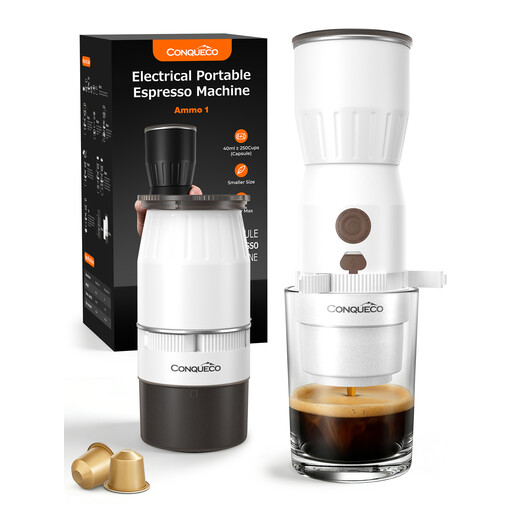
Why this product suits this profile: This portable espresso machine is designed for use on the go, has a capacity of 160 ml and, according to the product name, supports ground coffee as well as NS capsules.
The “No Self-heating” specification makes it clear that an external source of hot water may be required. This prevents false expectations when using it away from home.
160-ml serving, 2-in-1 use and an extraction time of approximately 60 seconds according to the product specifications.
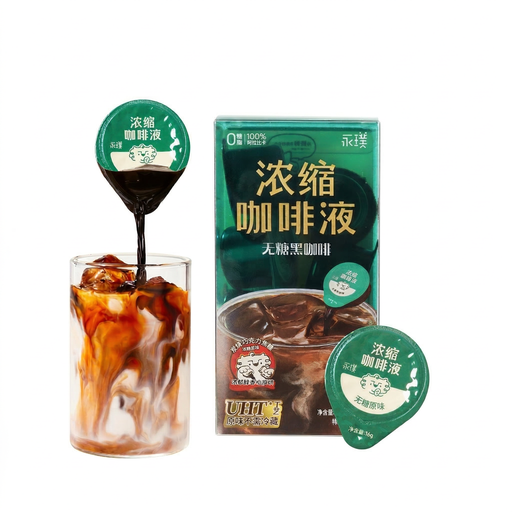
Why this product suits this profile: According to the product description, this liquid coffee concentrate can be combined with hot water or ice and used as the basis for an Americano, latte or iced coffee.
Preparation does not require an espresso machine. The sugar-free recipe is also clearly stated, allowing you to check the ingredients list carefully before buying.
Liquid format, versatile use for hot and cold drinks and, according to the product specifications, no sugar.
We have put together a complete, regularly updated list of products that fully meet these strict selection criteria and the safety regulations applicable in the EU.
Not every coffee craving requires an electrical appliance. A pour-over coffee filter such as the TIMEMORE Crystal Eye V01 or V02 saves space and lets you control the amount of water and brewing time manually. A coffee brewer can be useful for making several cups, but it requires the right filters and a suitable grind.
For quick preparation in the office, portioned products are a convenient choice. According to the packaging, Xiang Yue Caramel Macchiato is prepared with 150 ml of hot water and contains milk ingredients. Allergens such as milk should be checked on the packaging before consumption. If you want to avoid sugar, compare each product’s nutritional and ingredient information rather than relying solely on flavour names such as caramel macchiato.
Instant coffee and coffee concentrate also differ considerably: instant coffee is dissolved in water as a powder, while liquid concentrate can be mixed directly with water, milk or ice. The precise dosage and storage instructions depend on the individual label.
A portafilter machine, an espresso machine with a filter insert or a pour-over coffee filter are suitable options. Before buying, check whether the filter is designed for the desired quantity and grind. With combination machines, ground coffee must be explicitly included in the compatibility list.
Its lifespan depends on how often it is used, water hardness, cleaning and the availability of replacement parts. The water tank, drip tray, brewing unit and seals should be cleaned regularly or maintained according to the manufacturer’s instructions. A machine with removable components can make daily care easier.
With capsule machines, you incur ongoing capsule costs in addition to the price of the appliance. Bean-to-cup machines require spending on beans, water filters and descaling products. A coffee machine for ground coffee or a pour-over filter gives you complete freedom when choosing your coffee grounds. For instant coffee and coffee concentrate, compare pack size, dosage per cup and storage conditions.