
Lieferung heute & morgen

Qualitätsgarantie

Willkommens-Angebote freischalten: KOSTENLOSE Lieferung | Bis zu 80 % RABATT | Kostenlose 30-Tage-JoyPlus-Testphase
App herunterladen
For many, a coffee machine is what starts the day. But when the coffee suddenly tastes bitter, the machine gets louder, or a warning light flashes, improper maintenance is often the cause. The market for cleaning products is overwhelming and filled with promises that aren't always kept. Many users invest in products that, in the worst-case scenario, damage the appliance instead of caring for it. This guide will help you navigate the common pitfalls and select the right products to ensure a long lifespan and consistently high coffee quality.
As a Joybuy Product Recommendation Officer, I see it as my mission to cut through the noise. Here are the most common mistakes made when choosing cleaning products:
To avoid making the wrong purchase, you should check three crucial parameters before buying a cleaner. These ensure that the product is not only effective but also safe for your appliance.
The first step is to identify the problem. Does your machine display a "Descale" message, or does the coffee taste watery with a slow flow rate? Then you need a descaler. If, on the other hand, the coffee tastes rancid or bitter, old coffee oils are likely the problem. In this case, a coffee oil remover will help. For owners of machines with a milk frother, a special milk system cleaner is essential, as milk protein and fat can become a breeding ground for bacteria and require specific active ingredients.
Always check the recommendations of your coffee machine's manufacturer. Brands like De'Longhi, Philips, or Siemens invest in developing care products with formulas that are precisely matched to the materials used in their machines. Using original accessories or products explicitly designated as compatible minimises the risk of material damage and can be crucial for maintaining your warranty. A De'Longhi Descaler, for example, is optimised for the sensitive components of De'Longhi machines. A complete Coffee Machine Care Kit from the manufacturer often provides a coordinated solution for all cleaning needs.
The choice of form depends on your machine type and the intended cleaning cycle.
Based on these criteria, we have identified products that offer a suitable solution for specific user groups and their requirements.
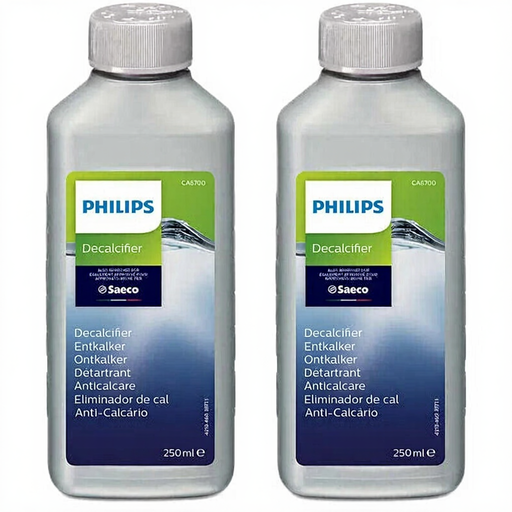
Why This Fits Their Persona: Owners of Philips or Saeco machines value preserving their appliance's longevity. This descaler is the official manufacturer's recommendation, guaranteeing safe and effective use.
It bypasses the 'universal cleaner' myth, as its citric acid-based formula is specifically designed for the materials used in Philips and Saeco machines and won't damage seals.
Effectively removes limescale deposits to safeguard machine performance and coffee taste. Easy to use by adding it to the water tank.
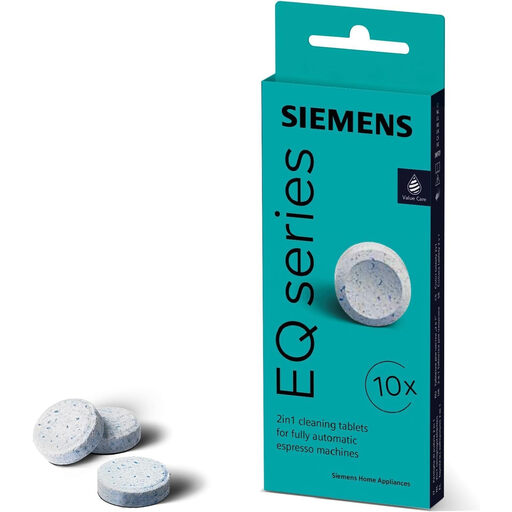
Why This Fits Their Persona: Users of Siemens EQ series fully automatic machines appreciate simple, guided maintenance. These tablets are designed for the automatic cleaning programme and require no manual measuring.
This product resolves the confusion between descaling and cleaning. It is purely a coffee oil remover that specifically targets oily residue in the brewing unit, which a descaler cannot do.
Reliably removes coffee oil residue for an unadulterated flavour. As an original accessory, it guarantees full compatibility and a long machine lifespan.
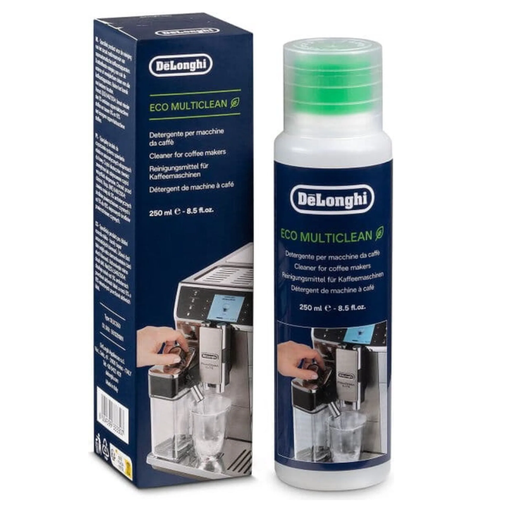
Why This Fits Their Persona: Anyone who regularly prepares cappuccinos or lattes knows how stubborn milk residue can be. This product is essential for the hygienic cleaning of the milk circuit.
It specifically targets an area that both descalers and coffee oil removers neglect. The special formula breaks down milk proteins and fats, preventing hygiene issues and odour build-up.
Ensures hygienic cleanliness in the milk system and protects sensitive materials. Suitable for both automatic and manual cleaning.
We have compiled a complete, up-to-date list of products that fully meet these strict selection criteria and all relevant safety standards.
1. How often do I need to descale my fully automatic coffee machine? The frequency heavily depends on the water hardness in your area and how often you use the machine. Modern fully automatic coffee machines typically notify you automatically when descaling is necessary. As a general guideline, an interval of two to three months or after about 200-300 brews is recommended. Always follow the specific instructions in your appliance's user manual.
2. Can I use vinegar to clean my coffee machine? This is generally not recommended. The acid in vinegar can be too aggressive for the seals, hoses, and metal parts (especially aluminium) in modern coffee machines. Furthermore, a persistent vinegar taste can linger in your coffee. It is safer to use a commercial liquid descaler whose composition is matched to the materials of the machine.
3. What is the difference between cleaning tablets and a descaler? This is a crucial point for proper machine care. A descaler (in liquid, powder, or tablet form) is used exclusively to remove mineral deposits (limescale) from the water system, such as the heating element and pipes. Cleaning tablets, on the other hand, are coffee oil removers. They are designed to remove oily coffee residues and build-up in the brewing unit and coffee spouts. For comprehensive maintenance and consistently great taste, both cleaning steps are necessary.