For a weekend cookery course, a bean-to-cup machine with a cappuccino programme is a good choice if you want to serve drinks alongside the cooking; an espresso machine with a portafilter is better suited to letting participants practise making espresso and frothing milk themselves. A capsule machine can reduce the effort involved in preparing individual coffee portions when you only need a few, but you’ll need to use a compatible capsule system and still look after the milk components. The machines’ features don’t provide a basis for comparing how many cappuccinos can be ready during a course break.
Who are the different machines suited to?
Course leader serving several guests
If you’ll be making cappuccinos alongside giving cooking instructions, key things to consider include a cappuccino programme, an easy-to-handle milk container and how the machine is topped up. Philips and Melitta describe these kinds of features for their respective bean-to-cup machines.
Course leader running a barista session
If you want to demonstrate making espresso and frothing milk as practical learning activities, look for a portafilter and steam wand, and allow time for instruction and repeated practice. Sage describes a manual steam wand for the Bambino, while De’Longhi lists an adjustable cappuccino system for the Dedica Style.
Small group looking to keep things simple
If you’re making individual cappuccinos without grinding and dosing coffee yourself, a capsule machine with a milk system could be an option. Nespresso describes this style of operation for the Lattissima One; before choosing, make sure the capsule system and milk container suit your plans.
What should you look for when choosing?
Bean-to-cup machine with milk system
A good fit if: You want to prepare cappuccinos alongside the cookery course, rather than make every drink manually.
Bear in mind: The milk system and brewing unit need looking after; a cappuccino programme doesn’t guarantee a specific number of drinks per hour.
Espresso machine with portafilter and steam wand
A good fit if: You want participants to practise dosing, pulling espresso and frothing milk themselves.
Bear in mind: Manual steps need guidance and take time for each round.
Capsule machine with milk system
A good fit if: You want to keep coffee preparation simple when making just a few drinks.
Bear in mind: You’ll need to factor in the capsule system, refilling the milk container and keeping it clean.
| What matters |
What to check before buying |
Who it matters most to |
| Several cappuccinos during the course |
Cappuccino programme and operating sequence; water and milk containers, and the number of portions needed. |
If I need to serve drinks during a course break, I want preparation to interrupt the cookery course as little as possible. Around 36% of consumers put smooth drink service first. |
| Learning to make espresso and froth milk |
Whether it has a portafilter and steam wand, and what accessories are needed for practice. |
If the group is learning to dose, pull espresso and froth milk, manual steps are part of the course. Around 29% of consumers prioritise practical barista training. |
| Cleaning the milk system |
Removable parts and the care instructions for the specific model. |
If there’s little time to clean up after making several drinks, I want to know which milk components need attention. Around 21% of consumers prioritise easy milk-system care. |
| A few simple individual portions |
Capsule compatibility and milk container; the consumables you’ll need. |
If I’m only planning a few individual cappuccinos, I want to be able to avoid grinding and dosing the coffee myself. Around 14% of consumers put simple individual portions first. |
Common mistakes when choosing
-
Confusing a short heat-up time with fast service for the whole group
Sage states that the Bambino is ready to use in three seconds. This manufacturer’s claim doesn’t tell you how long it takes to repeat the espresso and milk steps or serve finished cappuccinos.
Before buying, think about how many drinks you want to make and when during the course. A practical session needs a different set-up from simply serving drinks.
-
Assuming an automatic milk system is maintenance-free
Even removable or easily accessible milk components need cleaning after use. For catering businesses, the German Federal Institute for Risk Assessment stresses the importance of handling food properly and keeping work areas clean.
Check the care instructions for the specific model and plan to clean it after the course.
-
Overlooking capsules or accessories when planning the course
The Lattissima One variant listed uses Nespresso Original capsules; espresso machines with portafilters require different preparation steps.
Check which consumables and accessories you’ll need for your planned course, and take the actual contents of the box into account.
Key brands at a glance
Philips
The EP3347/90 bean-to-cup machine makes cappuccino at the touch of a button and features a LatteGo milk system.
- Philips describes LatteGo on this model as a two-part system with no tubes.
- The manufacturer’s claim doesn’t provide an independent comparison of cleaning, or establish how many drinks can be made during a course.
Melitta
The Latticia OT is a bean-to-cup machine with one-touch milk drinks and a Double Cup mode.
- Melitta lists a 1.5 l water tank, a 250 g bean hopper and the option to make two cups of coffee, with or without milk, on this model.
- These manufacturer’s specifications don’t show how quickly several cappuccinos can be made during a course.
Sage
The Bambino SES450BSS4EEU1 is an espresso machine with a portafilter and manual steam wand, making it a good example for practical espresso and milk-making sessions.
- Sage lists a 54 mm portafilter and a three-second heat-up time for this model.
- The heat-up time isn’t the time it takes to make a finished cappuccino; operation remains manual.
De’Longhi
The Dedica Style EC685.GR EX:4 is a slim manual espresso machine with an adjustable cappuccino system.
- De’Longhi lists a width of 15 cm and the option to make a single or double espresso for this variant.
- Manual operation isn’t the same as one-touch dispensing from a bean-to-cup machine.
Nespresso
The Lattissima One, which uses Nespresso Original capsules, is an option for making a few individual cappuccinos without grinding your own coffee.
- Nespresso describes cappuccino at the touch of a button and a refillable milk jug.
- The white De’Longhi EN510.W variant has a stated jug capacity of 0.165 l; this doesn’t demonstrate that it’s suitable for larger groups.
Machines for different course formats
This selection includes bean-to-cup, capsule and portafilter models for everything from serving cappuccinos to running practical coffee-making sessions.
 No image available
Sage Barista Touch with integrated conical burr grinder
The integrated grinder and automatic microfoam function make this an interesting choice for demonstrating espresso-making and milk-frothing.
View at Joybuy
 No image available
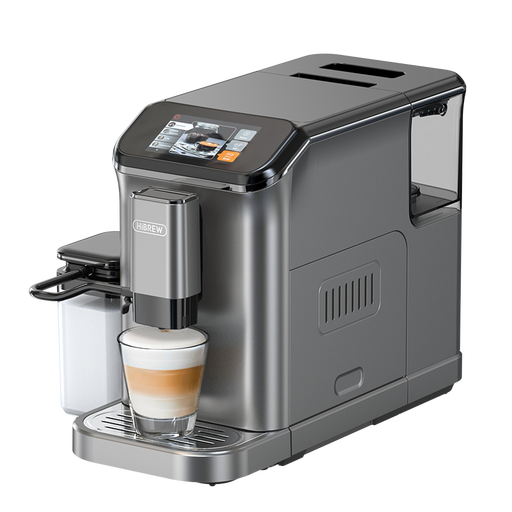
HiBREW H16 bean-to-cup machine with grinder
The cappuccino milk system is designed to serve drinks without manual frothing; plan the actual process and refilling around the course break.
The product name lists six coffee varieties.
View at Joybuy
 No image available
De’Longhi Magnifica Evo ECAM290.61.SB, silver
One-touch cappuccino preparation could be a good fit if you want to serve drinks alongside the course.
The milk system is described as having removable parts and an automatic cleaning cycle.
View at Joybuy
 No image available
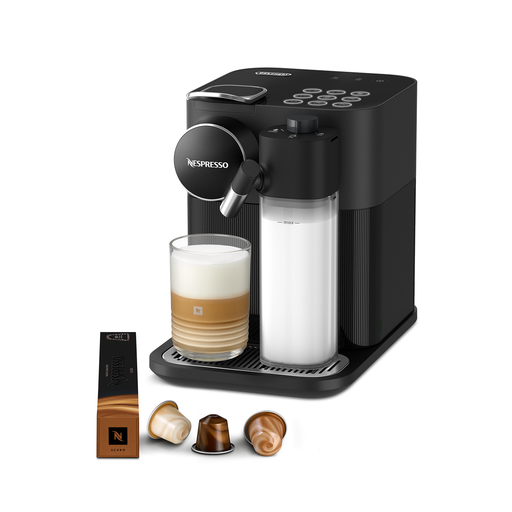
Nespresso De’Longhi Gran Lattissima EN640.B, black
This capsule machine makes cappuccino at the touch of a button, making it an interesting option for individual portions without grinding your own coffee.
It uses Nespresso Original capsules. The removable milk container holds 0.5 l; it also has a 1.3 l water tank and an automatic rinsing function.
View at Joybuy
 No image available
Ninja Luxe Premier ES601EU 3-in-1 coffee machine
The portafilter, integrated grinder and milk frother provide useful features for a practical demonstration of making espresso and preparing milk.
The product name lists four foam programmes.
View at Joybuy
Frequently asked questions
Do I need to buy an espresso machine with a portafilter to make cappuccino at a cookery course?
No. The right type of machine depends on whether making the drinks is part of the lesson. The espresso machines described involve manual steps, while the bean-to-cup machines listed make cappuccino at the touch of a button.
What should I bear in mind when setting up and cleaning the machine?
Allow space for the machine, access to water and an easy-to-reach cleaning area, and follow the care instructions for the specific model. For catering businesses, the German Federal Institute for Risk Assessment stresses the importance of handling food properly and keeping work areas clean.
Who can help if the machine is faulty after I buy it?
For a covered consumer purchase in the EU, you’re generally entitled to a minimum two-year legal guarantee from the seller, starting when you receive the goods, as Your Europe explains. This is separate from any additional manufacturer’s guarantee. If you’re buying for business use, check the specific terms and conditions that apply.
Do I need to register as a food business or get food hygiene training for a weekend cookery course?
You can’t determine this from the term ‘cookery course’ alone. The German Federal Portal states that food businesses producing, processing or distributing food must register, and that a certificate confirming infection prevention instruction is required when someone first works commercially in the food sector. Before running a course commercially, check with the relevant local authority whether these rules apply to your specific circumstances.
Is the CE mark an independent quality mark for good cappuccino?
No. According to EU guidance, the manufacturer uses the CE marking to declare that the product meets the relevant EU product requirements. It isn’t an independent comparison of espresso quality or milk performance.


