
Lieferung heute & morgen

Qualitätsgarantie

Willkommens-Angebote freischalten: KOSTENLOSE Lieferung | Bis zu 80 % RABATT | Kostenlose 30-Tage-JoyPlus-Testphase
App herunterladen
Finding the right coffee machine for your home can be a daunting task given the vast array of models and features. From bean-to-cup machines and portafilter models to capsule systems, each type offers unique advantages. This article serves as a comprehensive guide, introducing different machine types and showcasing a selection of models to make your decision easier.
To find the perfect machine for your needs, it's helpful to consider a few key criteria. The choice depends on your personal preferences, the level of convenience you desire, and your budget.
The most fundamental decision concerns the type of coffee machine. Each has specific characteristics:
Certain technical specifications are important for the quality of the coffee and the machine's usability:
Here, we present three models from different categories, each catering to specific user needs.
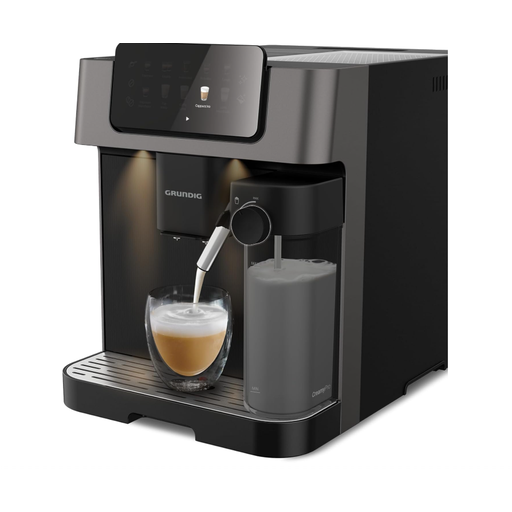
What makes it stand out: The Grundig KVA 7230 is a bean-to-cup machine that prepares a wide range of coffee specialities at the touch of a button. With its integrated grinder and automatic milk system, it offers a convenient, all-in-one solution for enjoying coffee at home.
Advantages:
Who is it for? This model is ideal for families, shared apartments, or small offices that value variety and simple, fast operation. Anyone who enjoys trying different milky coffee drinks without wanting to delve into the details of preparation will find this a perfect solution.
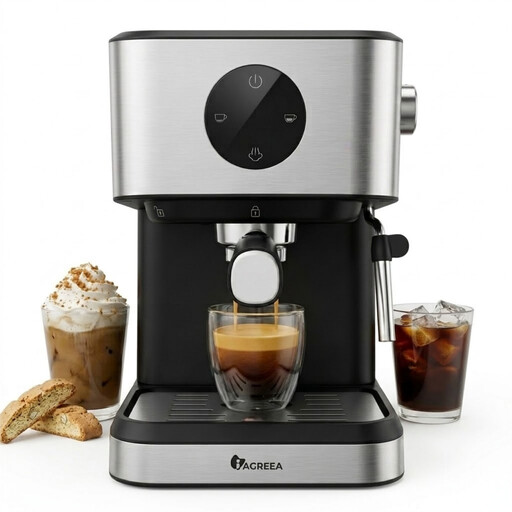
What makes it stand out: The IAGREEA Espresso Machine is a classic portafilter machine that puts the user in control of the espresso extraction. With its manual steam wand, it also allows for frothing milk for barista-style cappuccinos and lattes.
Advantages:
Who is it for? This espresso machine is aimed at coffee lovers who celebrate the preparation process and want to control parameters like grind size and extraction time themselves. It is a great choice for beginners entering the world of portafilter machines who are looking for a solid, entry-level coffee machine for home.

What makes it stand out: The Nespresso Essenza Mini is an ultra-compact capsule machine that focuses on minimalism and efficiency. It heats up extremely quickly and prepares an espresso or lungo at the touch of a button, making it a practical solution for a quick coffee fix.
Advantages:
Who is it for? The Essenza Mini is perfect for single households, students, or anyone looking for a simple and fast solution for their morning coffee or an espresso break. Its small footprint and minimal cleaning requirements are its greatest strengths.
The models featured here cover a range of different needs. If you want to compare more options or search for specific features, you can find a wider selection of coffee machines and accessories in our Coffee Makers category.
A bean-to-cup machine handles every step automatically at the touch of a button—from grinding the beans to brewing the coffee and frothing the milk. A portafilter machine requires manual work: the coffee must be ground separately, filled into the portafilter, tamped down, and then extracted manually. It offers more control but also requires more knowledge and effort.
For the extraction of a good espresso, a pressure of around 9 bars directly on the coffee grounds is ideal. Many manufacturers state the maximum pump pressure (e.g., 15, 19, or 20 bars). This higher value ensures that the required 9-bar pressure is consistently delivered at the brew head under real-world conditions.
Regular maintenance is crucial for the machine's longevity and the quality of the coffee. This includes daily cleaning of removable parts like the drip tray and water tank, rinsing the milk system after each use (if applicable), and periodically descaling the machine. The frequency of descaling depends on the water hardness and the manufacturer's recommendations.