
Lieferung heute & morgen

Qualitätsgarantie

Willkommens-Angebote freischalten: KOSTENLOSE Lieferung | Bis zu 80 % RABATT | Kostenlose 30-Tage-JoyPlus-Testphase
App herunterladen
The search for a new coffee machine can quickly become overwhelming. The market is filled with hundreds of models, all touting numerous features and marketing promises. However, not every advertised feature is useful in practice, and some can even lead to unexpected running costs or disappointment.
As your Joybuy Product Recommendation Officer, I'm here to help you navigate this jungle of information. Instead of relying on marketing hype, we'll focus on the facts. In this guide, we'll highlight the most common pitfalls when buying a coffee machine and show you which technical features truly matter, so you can make an informed decision for enjoying coffee at home.
Before we dive into the details, it's important to understand the typical mistakes that often lead to a bad purchase. Knowing them is the first step to avoiding them.
To make the right choice, you should focus on a few crucial technical features. These are what primarily determine the quality of your coffee and the longevity of your machine.
Pressure is a critical factor, especially when preparing espresso. A portafilter machine or a bean-to-cup machine should be able to generate a pump pressure of at least 9 bars at the brew head to ensure proper extraction. A pressure of 15 to 20 bars, as often advertised, indicates the pump's power but is not necessarily a guarantee of better coffee. Far more important is temperature stability during the brewing process. A high-quality heating system (e.g., a thermoblock) ensures a constant water temperature, leading to a consistent and aromatic result.
The choice of machine type depends entirely on your personal preferences and daily routine:
Look for a housing and key components made of stainless steel. This material is not only durable and hygienic but also taste-neutral. For bean-to-cup machines, an easily removable and cleanable brewing unit is a decisive advantage for long-term hygiene and maintenance. Water tanks and drip trays that are simple to remove significantly ease daily use.
Instead of making a one-size-fits-all recommendation, we have selected models that suit different needs and budgets.
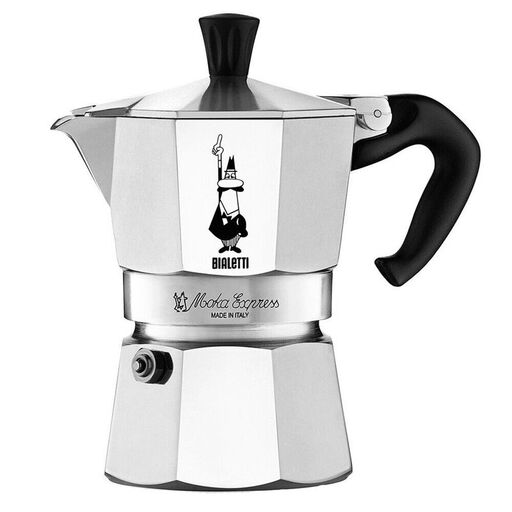
Why it's a good fit: Ideal for anyone who appreciates a strong, intense Italian-style coffee and wants to skip unnecessary technology. Perfect for small households or as a secondary option for that special coffee moment.
This Moka pot completely bypasses the feature and hidden costs traps. It has only one function, requires no pods, and is made of durable aluminium.
Robust aluminium construction and a patented safety valve. It works on almost all stovetops (except induction) and is extremely space-saving.
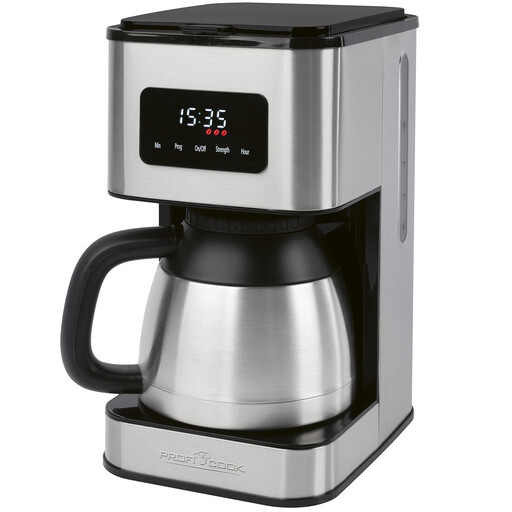
Why it's a good fit: Perfect for families or home offices where larger quantities of coffee are needed regularly. The thermal carafe keeps coffee hot for hours without losing its aroma.
This model avoids the feature trap by focusing on the essentials: making good drip coffee in larger quantities. The aroma selection and timer are useful, practical additions.
The double-walled stainless steel thermal carafe preserves temperature and aroma. The programmable timer and the 3-level aroma selection function offer useful convenience.
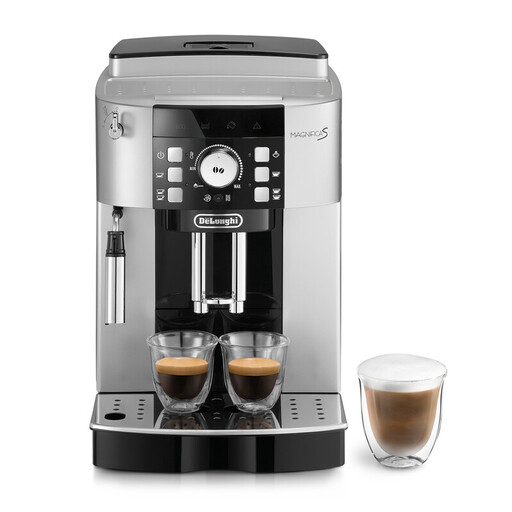
Why it's a good fit: For anyone who wants the convenience of freshly ground coffee and milk specialities at the touch of a button, without having to deal with the complexities of a portafilter machine.
This model focuses on the core functions of a bean-to-cup machine, avoiding an overload of rarely used special programmes. The fully removable brewing unit simplifies cleaning and reduces maintenance costs.
The quiet 13-setting conical burr grinder preserves the beans' aroma. Coffee strength and volume are easily adjustable via a rotary dial. The manual milk frother offers flexibility for making cappuccino or latte macchiato.
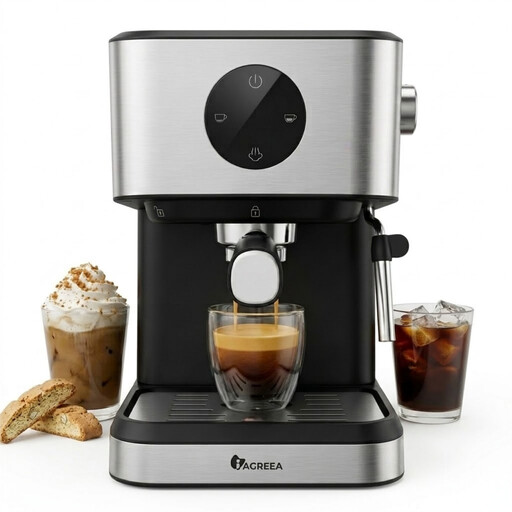
Why it's a good fit: A solid entry-level portafilter machine for anyone who wants to take control of their espresso and learn how to froth milk without spending a fortune right away.
This machine avoids the hidden costs of pods and the feature trap of bean-to-cup machines. It focuses on manual espresso preparation and features a robust stainless steel housing instead of cheap plastic.
A powerful 20-bar pump ensures reliable extraction. Separate temperature controls for coffee and steam allow for precise results, and the large 1.5-litre water tank is practical for daily use.
We have compiled a complete, up-to-date list of products that fully meet these strict selection criteria and all relevant safety standards.
1. How often should a coffee machine be descaled, and why is it important? The frequency depends on the water hardness in your area and how often you use it. Most modern machines have an indicator to remind you. As a general rule, descaling every 1 to 3 months is recommended. Descaling is crucial because limescale buildup can reduce heating performance, clog the pipes, and impair the coffee's taste. In the long term, it ensures the machine's functionality and lifespan.
2. Is a bean-to-cup machine with an integrated grinder really worth it? Yes, for coffee lovers who value fresh aroma and convenience. Freshly ground beans release a significantly more intense aroma than pre-ground coffee powder. An integrated grinder offers the convenience of automating this process at the touch of a button. However, if you only drink coffee occasionally or are concerned about the cost, a combination of a simpler machine and a separate coffee grinder can be a more flexible alternative.
3. What is the taste difference between drip coffee, espresso, and coffee from a bean-to-cup machine?Drip coffee is brewed without pressure, resulting in a milder, less concentrated beverage with finer, more nuanced aromas. Espresso (from a portafilter or bean-to-cup machine) is prepared using high pressure. The result is a concentrated, intense coffee with a dense crema. A bean-to-cup machine can simulate both: it can prepare a true espresso or a "Caffè Crema" (Lungo), which is similar to drip coffee but has a crema due to the pressure and often tastes stronger.