
Lieferung heute & morgen

Qualitätsgarantie

Willkommens-Angebote freischalten: KOSTENLOSE Lieferung | Bis zu 80 % RABATT | Kostenlose 30-Tage-JoyPlus-Testphase
App herunterladen
For many households, a coffee machine is part of the everyday kitchen set-up. However, the wide range of options can quickly lead to the wrong purchase. A capsule machine saves space, but involves ongoing capsule costs. A bean-to-cup coffee machine offers many functions, but requires more cleaning and counter space. A filter coffee machine can be practical for families, but is less suitable if espresso or milk froth is regularly required.
Espresso and capsule machines are often advertised with 15, 19 or 20 bar. This figure describes the maximum pump pressure and does not automatically indicate the quality of the finished drink. The result also depends on the grind size, amount of coffee, water temperature, brewing time and the capsule or bean used.
A 0.6- or 0.7-litre water tank is sufficient for individual cups, but needs to be refilled more often when several people are using the machine. For families or an office, a filter coffee machine with a capacity of 1 to 1.25 litres may be more practical. With a bean-to-cup coffee machine, you should also consider the size of the bean hopper and coffee grounds container.
Capsule and pod machines need descaling regularly. With a bean-to-cup coffee machine, the brewing unit, milk system, drip tray and coffee grounds container also need attention. A coffee machine with a grinder saves you from buying ground coffee separately, but has additional moving components. Before buying, check whether important parts can be removed or are dishwasher-safe according to the manufacturer.
A small water tank may be sufficient for a single-person household. Families and frequent users benefit from larger containers. According to the product specifications, a bean-to-cup coffee machine such as the De’Longhi Magnifica Evo has a 1.8-litre water tank and a 250-gram bean hopper. Among filter machines, the Aigostar model offers 1.25 litres, while the compact ochama filter coffee machine, with 750 millilitres, is designed more for smaller quantities.
Look out for:
Hot surfaces, steam and freshly brewed coffee can cause scalding. The coffee machine should be placed securely and unplugged from the mains before cleaning.
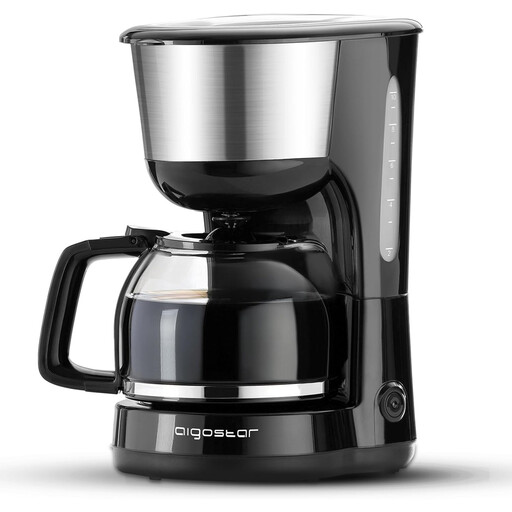
Why this product suits this profile: This filter coffee machine focuses on classic brewing and offers a 1.25-litre capacity for several cups.
The reusable filter reduces the need for paper filters. The drip-stop function and automatic switch-off after a total of 40 minutes help to limit mess and unnecessary operation.
1,000 watts, 30-minute keep-warm function, dishwasher-safe filter according to the product specifications, plus overheating and dry-boil protection.
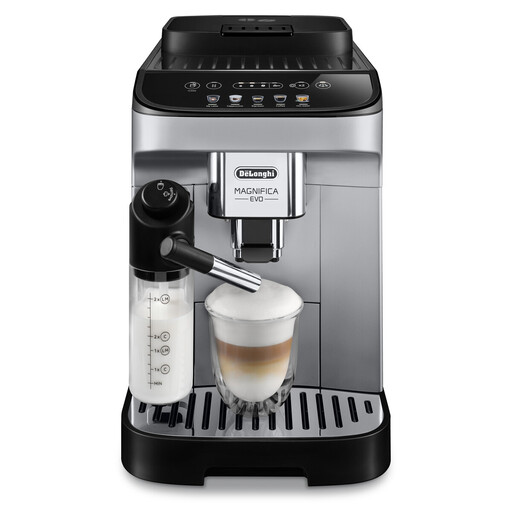
Why this product suits this profile: If you want to prepare a range of coffee and milk-based drinks with just a few inputs, you get seven one-touch recipes and an integrated grinder.
The features can be checked against specific data: 13 grind settings, a 250-gram bean hopper, removable water tank and detachable milk carafe.
Two espressos at the same time, a 1.8-litre water tank and an automatic milk-system cleaning programme according to the manufacturer's specifications.
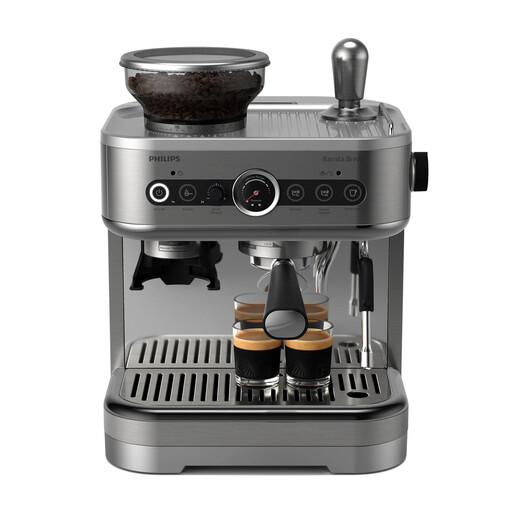
Why this product suits this profile: This espresso machine is aimed at users who want more control over their beans, dosage and milk froth.
The features go beyond a pressure figure: an integrated conical grinder with five settings, PID temperature control and a pressure gauge are all specified.
2.5-litre water tank, 250-gram bean hopper, milk frother and removable parts that are dishwasher-safe according to the product specifications.
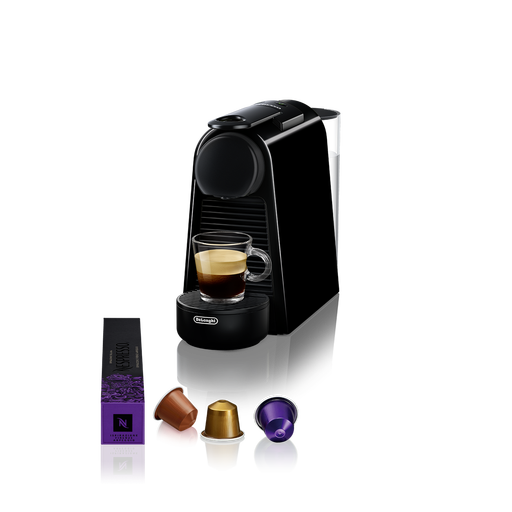
Why this product suits this profile: With a 0.6-litre water tank and two programmable buttons for espresso and lungo, this capsule machine is suitable for limited counter space and individual portions.
The system limitation is clearly stated: the machine is designed for Nespresso Original capsules. This means you can check the ongoing choice of coffee before buying.
Approx. 25-second heat-up time, 19-bar pump, two programmable drink volumes and automatic switch-off.
We have put together a complete, regularly updated list of products that fully meet these strict selection criteria and the safety regulations applicable in the EU.
A filter coffee machine with a capacity of around 1 to 1.25 litres is often practical for making several cups. If you prefer a variety of drinks, you could consider a bean-to-cup coffee machine with a larger water tank and bean hopper.
This depends on the hardness of the water, how often the machine is used and the manufacturer's instructions. With daily use, regular descaling every few weeks or months may be required. The guidance provided for the appliance should take priority. A water filter cannot completely prevent limescale build-up on every model.
In addition to electricity consumption, you need to consider coffee, capsules or pods, water filters, descaler and, where applicable, replacement parts. A filter coffee machine with a reusable filter may work out differently with regular use than a capsule machine. So do not compare only the purchase price; also consider the cost per cup and the cleaning involved.