
Lieferung heute & morgen

Qualitätsgarantie

Willkommens-Angebote freischalten: KOSTENLOSE Lieferung | Bis zu 80 % RABATT | Kostenlose 30-Tage-JoyPlus-Testphase
App herunterladen
A coffee machine should perform reliably every day, take up minimal space and suit the drinks you prefer. Yet buyers often choose appliances without adequately checking ongoing costs, cleaning requirements or capsule compatibility. The right choice therefore depends less on eye-catching marketing claims than on your usage profile, available space and maintenance expectations.
Specifications such as 15, 19 or 20 bar sound impressive. With an espresso machine, however, pump pressure alone says little about the result in the cup. Grind size, dosage, water temperature, brewing unit and the coffee variety used are all important factors. A higher figure is therefore not a reliable indicator of quality.
A compact coffee machine may fit on a small worktop, but it still needs additional space for the water tank, bean hopper or open capsule compartment. Do not check only the width, height and depth. Also make sure the water tank can be removed easily and that there is enough clearance above the machine.
Coffee oils, milk residue and limescale can build up inside the machine. A bean-to-cup coffee machine with a milk system in particular requires consistent care after preparing cappuccino or latte macchiato. Automatic cleaning programmes make maintenance easier, but they do not replace emptying the drip tray and coffee-grounds container or cleaning removable components.
The right coffee machine depends on the drinks you prepare most often:
If you mainly drink espresso, you do not necessarily need a milk system. For cappuccino and latte macchiato, however, a steam wand or automatic milk system is an important feature.
With a Nespresso coffee machine, check whether the appliance uses Nespresso Original capsules exclusively. According to the product specifications, the Nespresso Inissia EN80.B, Essenza Mini EN85.B, CitiZ EN167.W and Pixie EN127.S are designed for this system.
Multifunction machines such as the HiBREW H1C and HiBREW H2B support several formats depending on the model, including Nespresso-compatible capsules, Dolce Gusto formats, ESE pods and ground coffee. This offers flexibility, but it also requires the correct adapter to be fitted properly for each format.
Pods work differently: a Senseo pod machine requires suitable coffee pods and is not automatically compatible with capsules. Before buying, also check the availability and price of your preferred servings.
For a bean-to-cup machine, automatic rinsing and cleaning programmes are practical features. Even so, the brewing unit, milk nozzle, water tank and drip tray should be maintained in accordance with the operating instructions.
Cleaning tablets for bean-to-cup machines typically remove coffee-oil residue from the internal brewing circuit. According to the product specifications, the Siemens TZ80001A cleaning tablets are intended for Siemens EQ models such as the EQ300, EQ500, EQ6 plus, EQ700, EQ9 plus, EQ900 and EQ900 plus, as well as built-in appliances. Before use, check the compatibility information and safety instructions on the packaging and in the operating manual. The product is described as chlorine-free and fragrance-free; nevertheless, follow the stated protective measures when handling it, as skin and eye damage is possible.
Descalers and cleaning tablets serve different purposes: descalers treat limescale deposits, while cleaning tablets target coffee oils and residue in the cleaning circuit. Use only products approved by the manufacturer.
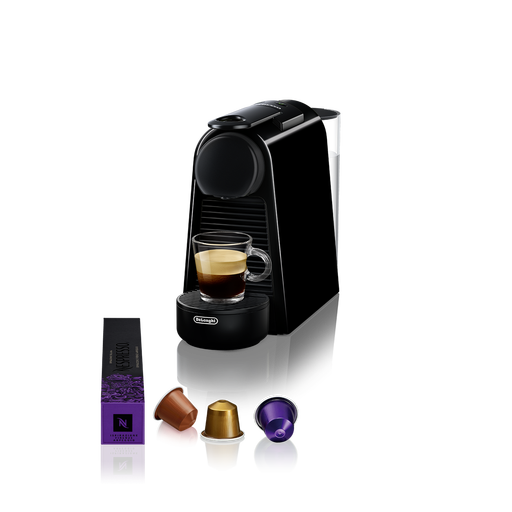
Why This Fits Their Persona: For singles, couples and compact kitchens, this capsule machine offers a width of 11 cm, a 0.6-litre water tank and two programmable cup sizes.
The compact dimensions and clearly stated Nespresso Original compatibility help prevent unsuitable capsule purchases and problems finding a suitable location.
A 25-second heat-up time according to the product specifications, automatic shut-off, and Espresso and Lungo buttons.

Why This Fits Their Persona: Suitable for users who want to prepare espresso, cappuccino or flat white with adjustable strength, milk-froth temperature and texture.
The touchscreen specifies concrete adjustment options, so buyers do not have to judge whether the machine suits their preferred drinks based solely on pressure figures.
Integrated conical burr grinder, automatic milk-frothing function, 2-litre water tank and five pre-programmed recipes according to the product description.
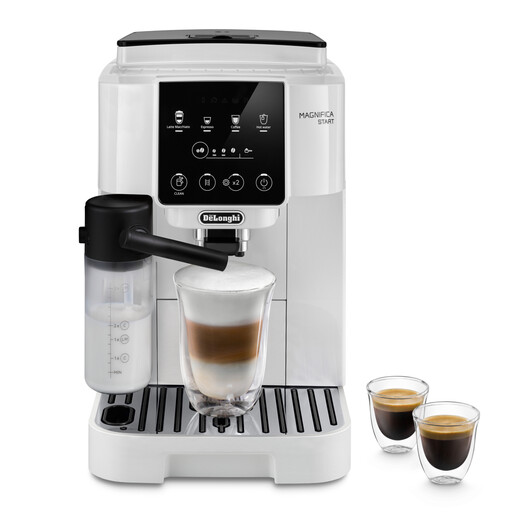
Why This Fits Their Persona: A bean-to-cup coffee machine with a milk system for households where espresso, lungo and a range of milk-based drinks are regularly enjoyed.
The product specifications list a removable milk container, automatic cleaning after milk preparation and dishwasher-safe components.
250-g bean hopper, 1.8-litre water tank, 13 grind-size settings and four direct-selection recipes according to the specifications.
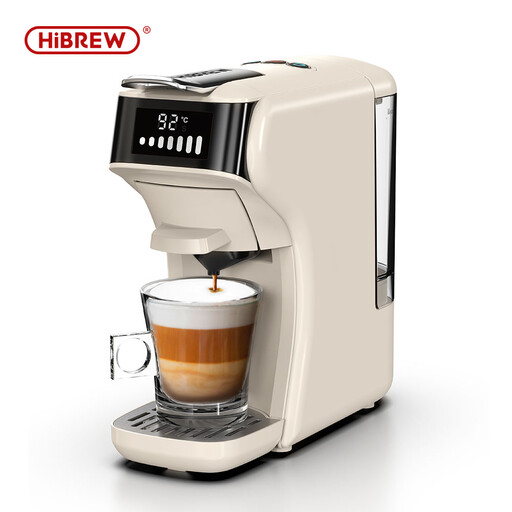
Why This Fits Their Persona: A practical choice when different systems and ground coffee are used in the same household or office.
Compatibility with multiple serving formats is clearly specified. Before buying, however, check that your preferred capsules are actually compatible with the supplied adapter.
6-in-1 functionality, 600-ml water tank, hot- and cold-brew modes, and a 20-bar pump according to the product data.
We have compiled an up-to-date selection of products that meet these criteria and the applicable safety requirements for Germany.
The actual service life depends on usage intensity, water hardness, care and repair options. Regular maintenance can help prevent malfunctions, but it does not guarantee a specific service life.
A compact coffee machine with a narrow footprint is practical for singles, couples and small offices. Capsule machines such as the Nespresso Essenza Mini are particularly slim. With a bean-to-cup machine, you should also measure the depth, check how the tank is removed and ensure easy access to the bean hopper.
In addition to the purchase price, you will pay for beans, capsules or pods, electricity, water filters, descaler and, where applicable, cleaning tablets. With capsule and pod machines, consumption costs depend heavily on the price per serving. Bean-to-cup machines require beans and maintenance products, but eliminate the need for an individual serving for each cup.
This depends on water hardness, usage and the appliance model. Follow the machine’s indicator and operating instructions. If you live in an area with hard water or prepare many cups every day, plan maintenance particularly consistently. Do not confuse descaling with cleaning coffee-oil residue.