If participants will be practising espresso-making and milk frothing, a portafilter machine with a steam wand is a good fit. With a tight schedule, a bean-to-cup machine with a milk system is better suited to serving drinks with fewer steps. For the occasional single serving, a capsule machine with a separate milk frother is another option. The key considerations are the steps involved in making each drink, cleaning the milk-contact parts and finding space for all the equipment.
Which option is right for you?
For instructors running barista practice
If participants will be pulling espresso shots and frothing milk, a steam wand you can operate is more important than a drinks button. De’Longhi, Gaggia and IMTEST describe the relevant manual preparation steps.
For instructors working to a tight schedule
If lattes are there to accompany the cookery class rather than being the focus of the lesson, an automatic milk system may suit the session better. Philips describes this approach for the EP3347/90.
For organisers serving just a few drinks
If you only need lattes occasionally, you could consider a capsule machine with a separate milk frother. The Nespresso set we looked at combines an Essenza Mini with an Aeroccino 3.
What to consider when buying
Portafilter machine with a manual steam wand
A good fit if: making espresso and frothing milk are part of the practical session.
Bear in mind: grinding or dosing, brewing and frothing all require separate steps. On the Dedica Style single-boiler machine tested by IMTEST, espresso and milk froth are made one after the other.
Portafilter machine with a choice of milk-texturing modes
A good fit if: the group will practise using a portafilter machine but should be able to choose between manual and automatic assistance when frothing milk. Sage lists both modes for the Bambino Plus SES500BSS4EEU1.
Bear in mind: the milk function doesn’t replace preparing the ground coffee or cleaning up afterwards.
Bean-to-cup machine with a milk system
A good fit if: participants will be cooking together and you want to serve lattes with fewer separate preparation steps.
Bear in mind: an automatic process is less suited to practising with a portafilter and steam wand; a milk system that comes apart still needs cleaning.
Capsule machine with a separate milk frother
A good fit if: you only need the occasional latte and practising with a steam wand isn’t one of the course objectives.
Bear in mind: espresso and milk are prepared in separate machines, and you’ll also need capsules. The Nespresso set we looked at was listed as out of stock on the German manufacturer’s website.
| Buying criterion |
What to check |
Who it matters most to |
| Practising with espresso and milk |
How the steam wand works and whether milk preparation is manual or automatic; the equipment needed for ground coffee. |
If I want to teach espresso-making and milk frothing, participants should be able to try both steps for themselves. Around 31% of consumers put hands-on practice first. |
| Serving several lattes |
The steps for preparing espresso and milk, and cleaning, for each drink; with portafilter machines, check whether brewing and steaming happen one after the other. |
If lattes are there to accompany the cookery class, I want to spend less time on each individual drink. Around 31% of consumers prioritise serving drinks quickly. |
| Milk care and cleaning |
Access to the milk-contact parts, cleaning instructions and suitable refrigeration for milk at the venue. |
If I’m preparing milk for others, I want to factor care of the milk-contact parts into the session. Around 25% of consumers put milk care and cleaning first. |
| Effort when used occasionally |
Space for the machine, milk jug or separate frother and accessories; also consider the type of coffee it uses. |
If I only need a few lattes for the occasional event, I want to keep setup and the space required manageable. Around 13% of consumers consider the effort involved in occasional use the most important factor. |
Common buying misconceptions
-
Assuming automatic milk preparation means no cleaning
Philips describes LatteGo as a two-part milk system with no tube, not as a maintenance-free system. Keeping it clean is especially important when you’re preparing drinks for other people.
Before buying, check the cleaning instructions for the specific model and factor the care it needs into your class schedule.
Cleaning milk-contact parts takes time, so make sure you allow for it in your schedule.
-
Assuming a slim machine makes for a space-saving latte station
De’Longhi lists the Dedica Style EC685.M EX:4 as 149 mm wide. You’ll still need space for a separate milk machine or accessories.
Measure your work surface, including the space needed for frothing and cleaning.
A separate milk frother means you’ll need to allow space for a second appliance as well.
-
Assuming every portafilter machine works the same way
On the Dedica Style single-boiler machine tested by IMTEST, espresso and milk frothing are done one after the other. A bean-to-cup machine automates steps, but doesn’t offer the same hands-on practice.
First decide whether practice or serving drinks is the priority, then check how the specific model works.
If the steps have to be done one after the other, make sure you allow time for them in your class schedule.
Brands and models to consider
De’Longhi
The Dedica Style EC685.M EX:4 is a slim manual machine for espresso and milk-based drinks.
- De’Longhi lists a width of 149 mm and an adjustable manual cappuccino system for this model.
- IMTEST describes the Dedica Style it tested as a single-boiler machine that prepares espresso and milk froth one after the other. This applies to the model tested, not the brand as a whole.
Sage
The Bambino Plus SES500BSS4EEU1 combines portafilter brewing with manual or automatic milk texturing.
- Sage lists both milk modes and a 54-mm portafilter for this model.
- Preparing the ground coffee and cleaning remain separate steps; the manufacturer’s claim about fast heating doesn’t establish how many drinks can be served during a class.
Philips
The EP3347/90 bean-to-cup machine with LatteGo is worth considering for a more automated milk-making process.
- Philips lists an integrated grinder and a two-part milk system with no tube for this model.
- Its design doesn’t mean it can be used without cleaning or that it’s suitable for a particular group size.
Gaggia
The Classic E24 is a manual alternative for practising with a portafilter and steam wand.
- Gaggia lists a manual steam wand and a 2,1 l water tank for the Classic E24.
- These features don’t tell you how many lattes it can serve; they describe this model, not the brand as a whole.
Nespresso
The Essenza Mini set with Aeroccino 3 that we looked at offers capsule espresso and separately prepared milk.
- Nespresso lists a maximum of 120 ml for frothing or 240 ml for heating with the Aeroccino 3.
- The set we looked at was listed as out of stock on the German manufacturer’s website; this doesn’t tell you anything about other sets.
Joybuy products for lattes at a cookery class
This selection includes manual espresso machines and machines with a manual milk frother for practical sessions, as well as a bean-to-cup machine for a more automated process.
 No image available
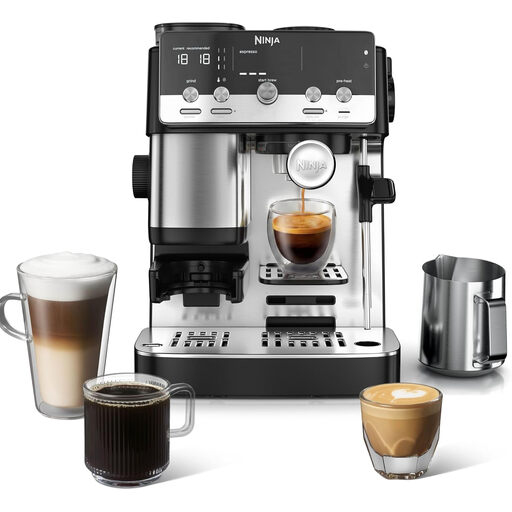
Ninja Luxe Café Mini ES301EU – 2-in-1 espresso and filter coffee machine with integrated grinder and manual milk frother
For classes where participants are expected to prepare the milk themselves.
2-in-1 machine for espresso and filter coffee; integrated grinder and manual milk frother.
Joybuy
 No image available
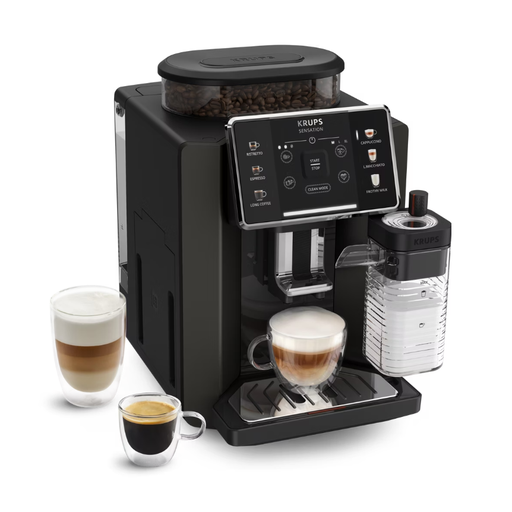
Krups Sensation Milk EA9129 bean-to-cup coffee machine, black
For a class where lattes are served without making each preparation step the focus.
Described as a bean-to-cup coffee machine with milk function.
Joybuy
 No image available
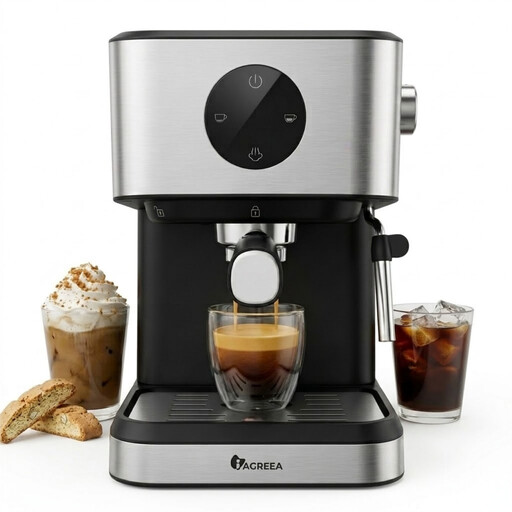
IAGREEA espresso machine, 20 Bar, manual milk frother, 50 Oz
For practical sessions where participants prepare espresso and milk themselves.
20 Bar; 50 Oz water tank; stainless steel body.
Joybuy
 No image available
IAGREEA 20Bar Professional Espresso Machine with pressure gauge and steam wand, 1.1L
For instructors planning practice with a portafilter and steam wand.
Single and double shots; removable 1,1-l water tank; adjustable steam wand.
Joybuy
 No image available
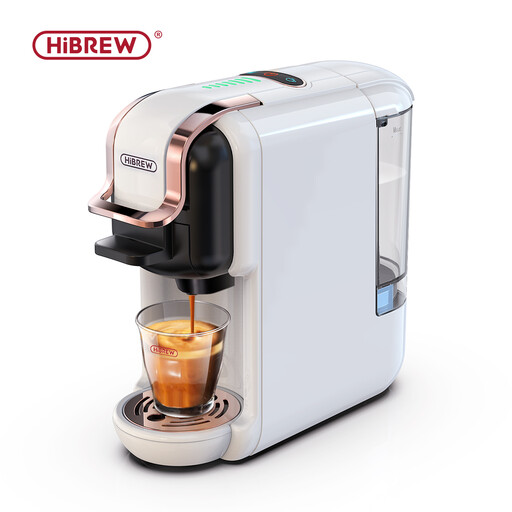
HiBREW H2B 5-in-1 coffee machine, Hot and Cold, White
For hands-on milk-frothing practice using a choice of different coffee formats.
Works with Nespresso capsules, DG capsules, ESE pods and ground coffee; integrated steam wand.
Joybuy
Frequently asked questions
How should I prepare a machine for latte practice during a class?
Allow time to dial in the espresso, demonstrate milk frothing and let participants practise. IMTEST notes that the grind size, amount and temperature need to be adjusted on the portafilter machines it tested; which steps the group takes on depends on the machine you choose.
What should I bear in mind when handling milk during the class?
Keep perishable milk chilled in line with the refrigeration guidance until you’re ready to use it, and make sure your utensils and milk-contact parts are clean. The German Federal Institute for Risk Assessment describes refrigeration as a way to limit the growth of many bacteria and also stresses the importance of good hygiene in large-scale catering.
What ongoing costs should I consider when comparing different types of machine?
Factor in the type of coffee each machine uses, such as capsules, as well as any accessories you’ll need and the effort involved in care and cleaning. A cost-per-latte comparison only makes sense if you use the same basis for calculating costs across the different systems.


