
Lieferung heute & morgen

Qualitätsgarantie

Willkommens-Angebote freischalten: KOSTENLOSE Lieferung | Bis zu 80 % RABATT | Kostenlose 30-Tage-JoyPlus-Testphase
App herunterladen
The right coffee machine should suit your daily routine, available space and preferred type of coffee. Singles, couples and small offices can choose from a range of systems: bean-to-cup coffee machine, capsule machine, espresso machine, portafilter machine or a multifunctional coffee maker.
Marketing claims can often make comparisons more difficult. High bar ratings, especially compact dimensions or broad compatibility claims do not, on their own, say much about everyday usability. The following criteria can help you avoid a poor purchase and choose the right model for espresso, café crème, cappuccino or latte.
A 20-bar espresso machine may initially sound particularly powerful. However, the stated figure often describes the maximum possible pump pressure rather than the pressure applied to the coffee puck throughout the extraction. Other factors are therefore important when choosing a machine:
Depending on its design, a bean-to-cup coffee machine with a 15-bar pump or a capsule machine with 19 bar may therefore be a more sensible choice than a model with a higher advertised figure.
A compact coffee machine does not just need to fit on your worktop. You should also check:
For a coffee machine for small kitchens, a difference of just a few centimetres can make a noticeable difference in everyday use. Particularly narrow models may be awkward when removing the tank if they are positioned directly beneath a wall cabinet.
A coffee machine for ground coffee and capsules can offer considerable flexibility. Nevertheless, you need to check the specific systems supported. “Capsule compatible” does not automatically mean that every capsule will fit. Some machines require interchangeable adapters for Nespresso Original, Dolce Gusto, K-Cup or ESE systems.
Before buying, you should check:
A bean-to-cup coffee machine grinds the beans, measures the water and prepares drinks at the touch of a button. Models with a removable brewing unit make thorough cleaning easier. However, they require more maintenance than a basic capsule machine.
A Nespresso machine or other capsule machine is designed for pre-portioned capsules. It offers quick preparation and consistent serving sizes, but limits your choice to the relevant system. Ongoing costs and capsule disposal should be considered when making your purchase decision.
A portafilter machine, also known as a manual espresso machine, is suitable for users who want to control the grind size, dosage and milk texture themselves. This does require more hands-on preparation, as well as regular cleaning of the basket, portafilter and steam wand.
For a single-person household, a tank with a capacity of 0.6 to 0.9 litres may be sufficient. If you prepare several drinks each day, a tank holding between 1.0 and 1.3 litres reduces the number of refills. However, a larger tank usually also requires more space and adds weight.
Look for a removable water tank. It is easier to fill under the tap and clean. If you live in an area with hard water, adjustable water-hardness settings, a compatible water filter and an accessible descaling programme are useful features.
A coffee machine with a milk frother may have a steam wand, separate milk container or automatic milk system. A steam wand takes practice but gives you control over the amount of foam. Automatic systems are more convenient, but require the milk-contacting parts to be rinsed thoroughly after every use.
Regardless of the system, the drip tray, spout, capsule container or coffee grounds container should be easy to access. Automatic cleaning programmes do not replace regular rinsing of removable components.
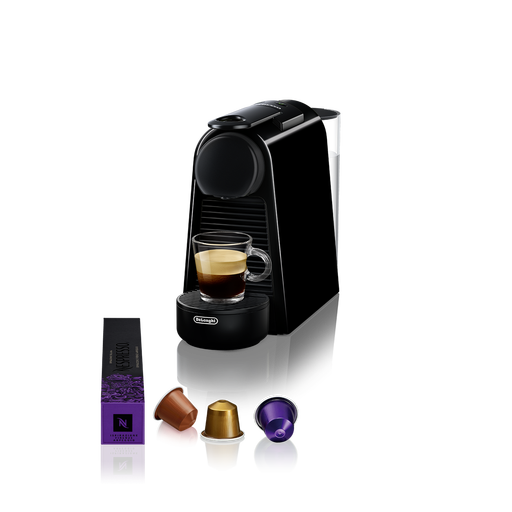
Why this product suits this profile: Measuring 11 × 20.5 × 32.5 cm, with a 0.6-litre tank and two programmable buttons, it is designed for small worktops and straightforward individual servings.
Compatibility is clearly limited to Nespresso Original capsules. This reduces the risk of confusion, although you should factor ongoing capsule requirements into your decision before buying.
19-bar pump, heating time of around 25 seconds, Eco mode and automatic switch-off after nine minutes.
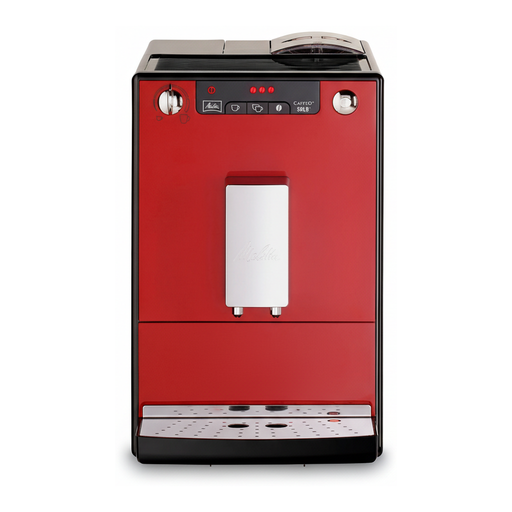
Why this product suits this profile: This bean-to-cup machine prepares espresso and café crème from beans and offers three coffee-strength settings plus adjustable water volume.
At around 20 cm wide, this machine is designed for limited worktop space. The removable brewing unit and automatic cleaning and descaling programmes make the maintenance requirements clearer and easier to manage.
1.2-litre water tank, height-adjustable spout up to 135 mm and 15-bar pump.
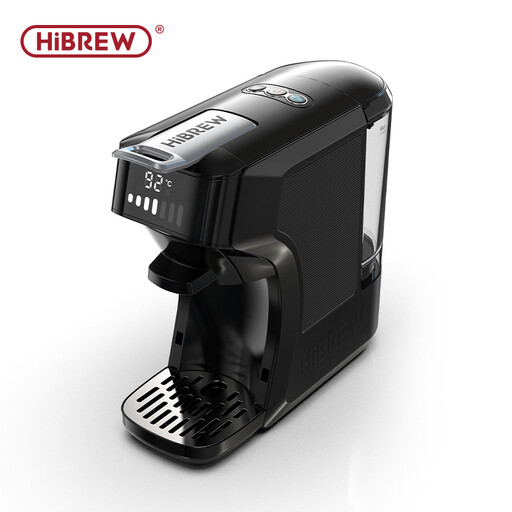
Why this product suits this profile: According to the product details, this machine supports several capsule types, ESE pods and ground coffee. Hot and cold brew modes broaden its uses at home or in the office.
The different adapters make the system options clear. Before ordering, check which inserts are included and how they should be cleaned.
20-bar pump, 600-ml water tank and compact dimensions of around 30 × 14.3 × 28 cm.
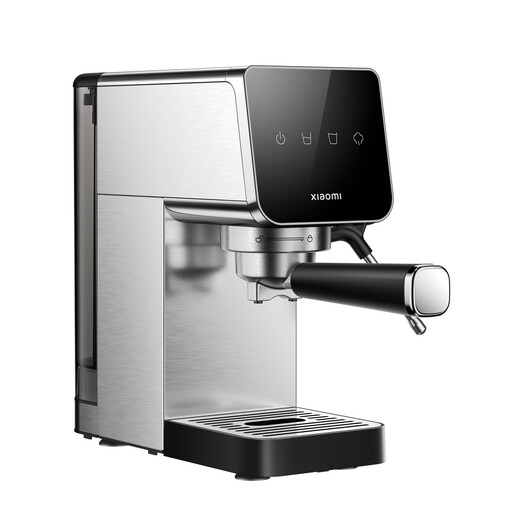
Why this product suits this profile: This semi-automatic espresso machine uses ground coffee and features a steam wand for milk-based drinks.
The 20-bar rating is complemented by specific functions: NTC temperature control, pre-infusion and single and double shots. The steam wand still requires separate cleaning after every use.
1.3-litre water tank, 20-bar pump, pre-infusion and separate steam wand for frothing milk.
We have put together a complete, regularly updated list of products that fully meet these strict selection criteria and the safety regulations applicable in the EU.
It is not just the width and depth that matter, but also how easy the water tank and drip tray are to access. Capsule machines such as the Nespresso Essenza Mini are designed for small worktops. A slim bean-to-cup coffee machine may also fit, but requires more space for the bean container, brewing unit and cleaning.
Its lifespan depends on usage, water hardness, cleaning and descaling. Run rinsing and descaling programmes according to the manufacturer’s instructions, empty collection containers regularly and never operate the machine without water. With an espresso machine, the steam wand should be cleaned immediately after frothing milk.
This depends on how much coffee you drink and the type of coffee you choose. With a bean-to-cup coffee machine, you buy beans and generally use less disposable material. A capsule machine reduces the effort involved, but creates ongoing capsule costs. A portafilter machine uses ground coffee or beans, but requires more time and manual preparation. Compare the purchase price, coffee, filter and descaling costs over the planned period of use.