
Lieferung heute & morgen

Qualitätsgarantie

Willkommens-Angebote freischalten: KOSTENLOSE Lieferung | Bis zu 80 % RABATT | Kostenlose 30-Tage-JoyPlus-Testphase
App herunterladen
For many, the aroma of freshly ground coffee is the epitome of a perfect start to the day. A coffee machine with an integrated grinder promises exactly this experience at the touch of a button. However, the market is overwhelming and filled with marketing promises that often obscure more than they clarify. Before you make a decision, it's crucial to understand the common pitfalls that can lead to disappointment and unnecessary expense.
As your Joybuy Product Recommendation Officer, I'm here to help you separate the wheat from the chaff. We'll shed light on the critical features that truly matter and show you how to find the right machine for your needs.
Many machines advertise impressive numbers and features. But not all that glitters delivers good coffee. Pay special attention to these three points to avoid a bad purchase:
coffee machine with a grinder is practical and space-saving. However, many budget-friendly models cut corners on one of the two core components—either the grinder or the brewing unit. Often, the integrated grinder's quality is not comparable to a good, separate electric coffee grinder. This may suffice for occasional coffee drinkers, but those who value precise espresso will quickly hit its limits.To make the right choice, you should focus on the fundamental characteristics that directly influence coffee quality.
The heart of any machine is its grinder. There are two basic types:
The material of the burrs is also critical. Stainless steel is sharp and efficient, while ceramic is considered especially durable and develops even less heat. Regardless of the type, a grinder is only as good as its ability to deliver a consistent particle size for the selected grind setting.
For an espresso machine with a grinder, temperature stability is the be-all and end-all. Even minor fluctuations can drastically alter the taste of the espresso. Look for the following technologies:
portafilter machine with grinder models.Your personal preferences and how much time you want to invest in coffee preparation will determine your choice of machine type:
grind coffee beans and prepare the coffee. Ideal for a quick coffee in the morning or in the office.barista coffee machine is the choice for enthusiasts who celebrate the process and want to perfect the result.Here are some recommendations tailored to specific user profiles that take the aforementioned pitfalls into account.
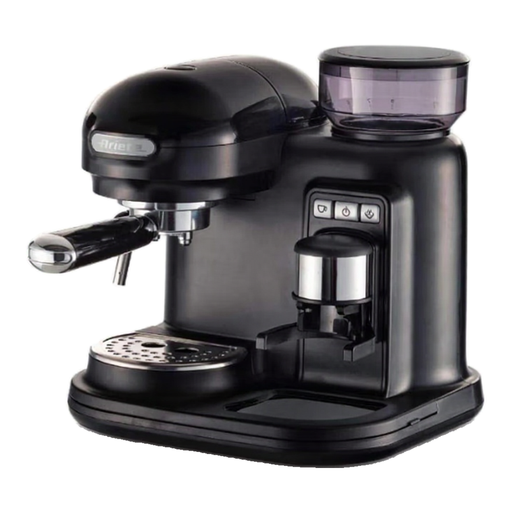
Why this machine is a great fit: This machine offers a complete package for entering the world of fresh coffee. It combines an espresso machine, a grinder, and a milk frother in one stylish and compact unit without breaking the bank. Perfect for anyone looking to upgrade from capsules or pre-ground powder.
It sidesteps the "all-in-one compromise" by positioning itself as an honest entry-level machine. It doesn't promise professional precision but delivers a solid foundation for espresso and cappuccino, representing a clear quality leap over simpler systems.
Integrated grinder and milk frother in one device at an accessible price point. The 15-bar pressure is designed for preparing 1 or 2 cups of espresso.
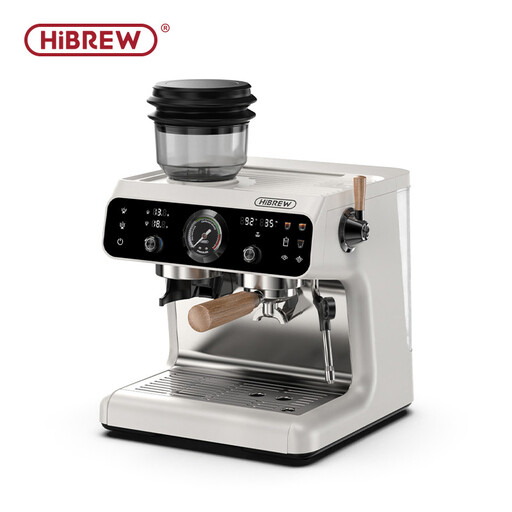
Why this machine is a great fit: This model is aimed at discerning users who seek precision and control. With a dual boiler system, PID temperature control, and a 30-step conical burr grinder, it offers features typically found only in much more expensive machines.
It directly addresses the "all-in-one compromise" by combining high-quality components for both the grinder and the brew group. The PID control provides the necessary temperature stability often lacking in cheaper machines, thus avoiding the trap of focusing solely on pump pressure.
Dual boiler system and PID temperature control enable simultaneous brewing and milk frothing at a constant temperature—a core requirement for ambitious home baristas.
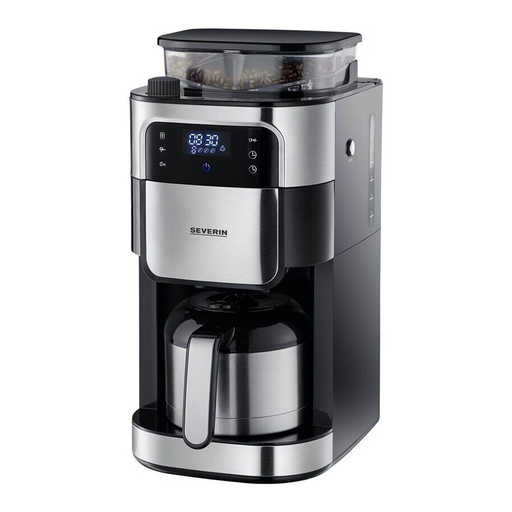
Why this machine is a great fit: This machine is specifically designed for preparing drip coffee. It combines the convenience of a programmable coffee maker with the freshness of an integrated grinder. The thermal carafe keeps the coffee hot for a long time without it turning bitter on a warming plate.
It doesn't try to be an espresso machine. By specializing in drip coffee, it offers relevant features like a "blooming function" for pre-infusion, which intensifies the aroma. It avoids the trap of being overloaded with unnecessary features.
Specialized `drip coffee maker with grinder`, adjustable grind size and coffee strength, plus a thermal carafe for long-lasting, aromatic coffee.
For those who prefer a more modular setup, a separate coffee grinder can be the more flexible choice. We've compiled a complete, up-to-date list of products that meet these strict selection criteria.
The cleaning frequency depends on usage and the type of coffee beans. As a rule of thumb, a superficial cleaning of the bean hopper and removal of coffee residue from the chute should be done weekly. A thorough cleaning with special cleaning pellets that bind oils and fats is recommended every 1-3 months to ensure consistent grind quality and the pure taste of your coffee.
That depends on your priorities.
coffee grinder for espresso or drip coffee generally offers more precision, higher grind quality, and greater flexibility. You can keep the grinder even if you decide to upgrade your coffee machine one day. For coffee enthusiasts, this is often the more satisfying long-term solution.Both conical and flat burr grinders can produce an excellent grind for espresso. More important than the type is the grinder's ability to produce very fine and consistent grinds and to allow for fine, stepless, or micrometric adjustments. This precision is necessary to "dial in" the espresso shot perfectly to the bean, humidity, and machine. A good coffee grinder for espresso is therefore always an investment in the quality of every single cup.