
Lieferung heute & morgen

Qualitätsgarantie

Willkommens-Angebote freischalten: KOSTENLOSE Lieferung | Bis zu 80 % RABATT | Kostenlose 30-Tage-JoyPlus-Testphase
App herunterladen
The aroma of freshly ground coffee beans is, for many, the epitome of a perfect start to the day. A coffee machine with a built-in grinder promises exactly this experience—cup after cup. However, the market is crowded and filled with marketing promises that often obscure more than they clarify. Before you make a decision, it's crucial to understand the common pitfalls that can lead to an unsatisfying purchase.
This guide will help you objectively evaluate technical specifications and find a machine that truly fits your needs.
Manufacturers advertise numerous features, but not all of them deliver on their promises. Pay close attention to these three points to avoid a poor investment.
To make the right choice, you should focus on objective technical features. These three aspects are central to performance, durability, and taste.
The heart of any coffee machine with a grinder is the mill itself. Its quality is the primary factor determining the consistency of the coffee grounds and, consequently, the aroma.
The brew group is where water and coffee grounds meet. The milk system determines how easily you can prepare specialty coffees like cappuccino or latte macchiato.
Instead of making a blanket recommendation, we have selected models that are tailored to different user profiles.
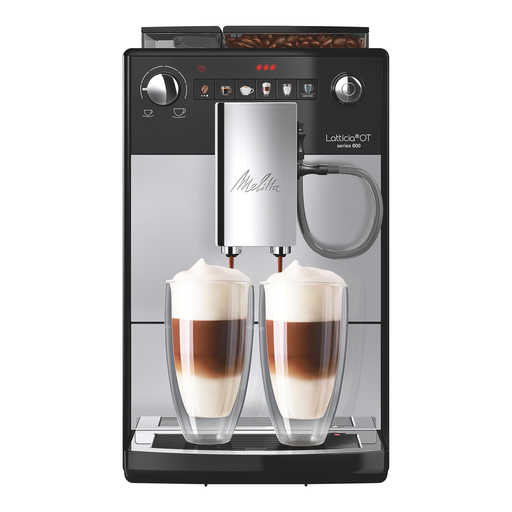
Why This Fits Their Persona: This model is designed for maximum simplicity. Anyone who wants a high-quality cappuccino or latte macchiato quickly in the morning without manual steps will find a suitable solution here. The one-touch operation and compact design are ideal for kitchens with limited space.
The Latteperfection system delivers consistent milk foam without requiring manual practice. The removable brewing unit bypasses the pitfall of complicated cleaning and ensures simple hygiene.
One-touch function for milk-based drinks and a grinder described as quiet. The XL water tank and bean container reduce the frequency of refills.
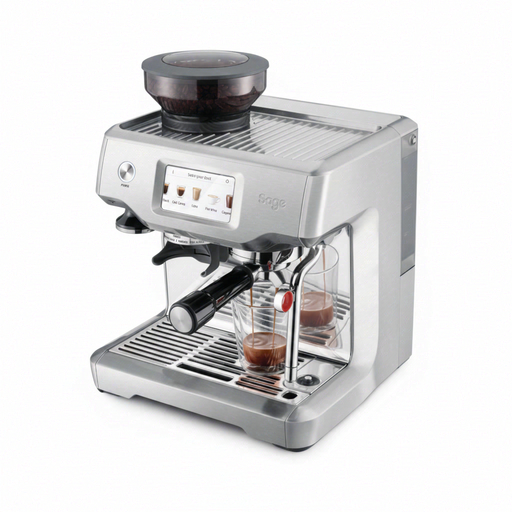
Why This Fits Their Persona: For those who want to control and perfect the brewing process. This portafilter machine offers the necessary settings for grind size, coffee strength, and milk texture, while supporting the user with an intuitive touchscreen display and automatic functions.
Instead of advertising high pump pressure, the machine focuses on precise brewing temperature via the ThermoJet heating system. This is more critical for extraction than a simple maximum pressure value.
Very short 3-second heat-up time. The automatic milk frothing allows for the creation of barista-quality microfoam suitable for latte art. Up to 8 personalised coffee settings can be saved.
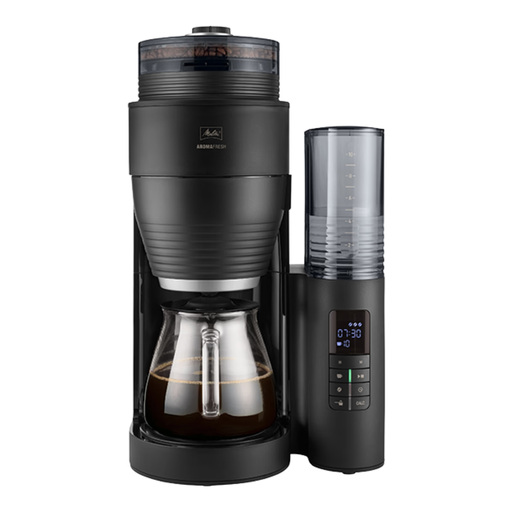
Why This Fits Their Persona: Ideal for households or small offices where classic drip coffee is consumed in larger quantities, but without sacrificing the freshness of whole beans. Operation is straightforward and streamlined to the essentials.
This drip coffee machine with a grinder bypasses the complexity and high cleaning effort of fully automatic machines. It focuses on a single task and performs it reliably.
The integrated ceramic grinder with eleven grind settings allows for individual customisation. The timer function ensures freshly brewed coffee at the desired time.
We have compiled a complete, up-to-date list of products that fully meet these strict selection criteria and safety regulations.
1. How often should you descale a coffee machine with a grinder? The frequency depends on the water hardness in your area and your usage. Most modern machines have a built-in indicator that reminds you when descaling is necessary. As a rule of thumb, for average use and medium water hardness, descaling is recommended every two to three months.
2. Which grinder is better for espresso: ceramic or stainless steel? Both materials can produce excellent results. The crucial factor is the quality and precision of the burrs. Stainless steel grinders are often sharper initially, while ceramic grinders are considered particularly durable and generate less heat, which benefits the aroma. For espresso, a fine and, above all, consistent grind is essential, which high-quality grinders of both types can achieve.
3. Can I use pre-ground coffee in a bean-to-cup machine? Many bean-to-cup machines offer a separate compartment for pre-ground coffee powder. This is useful if you want to prepare decaffeinated coffee, for example. However, doing so bypasses the main advantage of the machine—grinding the beans fresh just before brewing. The results with powder are often not comparable to those from freshly ground coffee.