
Lieferung heute & morgen

Qualitätsgarantie

Willkommens-Angebote freischalten: KOSTENLOSE Lieferung | Bis zu 80 % RABATT | Kostenlose 30-Tage-JoyPlus-Testphase
App herunterladen
A coffee machine with a grinder combines a bean container, grinder and brewing technology in one appliance. This saves space and lets you enjoy freshly ground coffee, espresso or milky coffee without needing a separate grinder. However, the vast choice doesn’t automatically lead you to the right machine. What really matters are your drink preferences, ease of use, cleaning effort and how many cups you make each day.
Figures like 15 or 20 bar sound impressive, but they don’t tell the whole story about what ends up in your cup. For espresso, the grind size, dose, brew temperature, tamping pressure and the quality of the portafilter all play a part. An espresso machine with a grinder should therefore offer several adjustable parameters or a reliable automatic system.
A bean-to-cup coffee machine with a milk system prepares cappuccino or latte macchiato at the touch of a button. However, the milk pipes, container and spouts then need regular care. If you underestimate this task, you risk limescale build-up and hygiene issues. Look for a removable milk system, automatic rinse programmes and easily accessible parts.
A coffee machine with an integrated grinder could be a portafilter machine. In that case, the machine grinds the beans, but you usually still need to dose, tamp and insert the portafilter yourself. A bean-to-cup machine, on the other hand, grinds and brews largely automatically. So the term bean-to-cup coffee machine describes the use of whole beans, not necessarily the level of convenience.
A conical burr grinder made of steel or ceramic is common in many machines. More important than the material alone is the number of grind settings and how easy they are to adjust in daily use. Filter coffee generally needs a coarser grind than espresso. With a portafilter machine, finer adjustments are especially useful because small changes can affect the flow time.
For different roasts, at least several grind settings are worthwhile. Models like the Sage Barista Touch feature an integrated conical burr grinder with dose control. The Melitta AromaFresh X, on the other hand, works as a filter coffee machine with a ceramic grinder and eleven grind settings.
A dual-boiler system separates the heating for coffee extraction from steam generation. This means you can brew coffee and steam milk without a long wait between the two functions. That’s ideal for families, offices and small catering settings.
With a bean-to-cup machine, the focus is usually on simple drink selection. Check the water tank size, bean capacity and whether you can make two cups at once. A tank of 1.5 to 1.8 litres can be enough for a household; with higher consumption, frequent refilling becomes a significant cost and time factor.
A coffee machine with a milk frother needs enough space next to it, especially if you use a separate milk container. Measure the footprint, the height under wall units and the space needed to remove the water tank.
Also look out for:
A classic espresso machine isn’t automatically suitable for cold brew. If you want both hot and cold coffee options in one appliance, make sure to look for specific programmes.
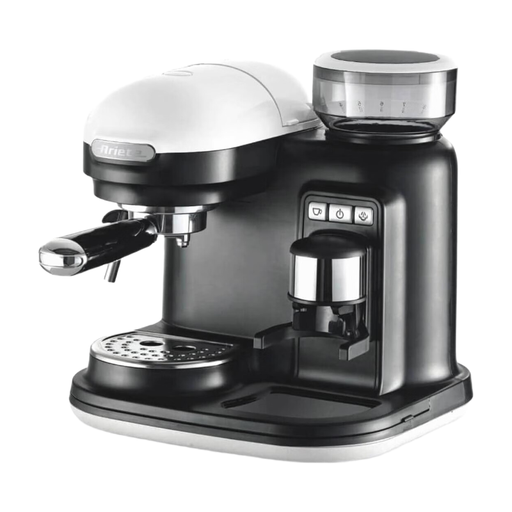
Why this product fits the profile: This portafilter machine is aimed at households that want to make espresso and cappuccino themselves, with straightforward operation.
The integrated grinder makes a separate appliance unnecessary. The filter for one or two portions allows you to adjust the coffee strength manually.
15-bar pump, integrated milk frother and automatic shut-off; dimensions according to product details are 30.5 × 30 × 30.5 cm.

Why this product fits the profile: Home baristas get touchscreen control, manual adjustment options and automatic milk texturing all in one machine.
The dose control and saveable settings mean your choice isn’t limited to a single advertised preset.
Conical burr grinder, 2-litre water tank, five pre-set recipes and up to eight saveable settings according to the product description.

Why this product fits the profile: This machine is aimed at households that want to combine espresso, filter coffee and cold brew with different milk options.
Its suitability for several brewing methods is clearly stated. Four frothing programmes cover both hot and cold milk options.
25 grind settings, 1.5-litre water tank, integrated scales and programmes for espresso, cold brew and filter coffee according to product data.
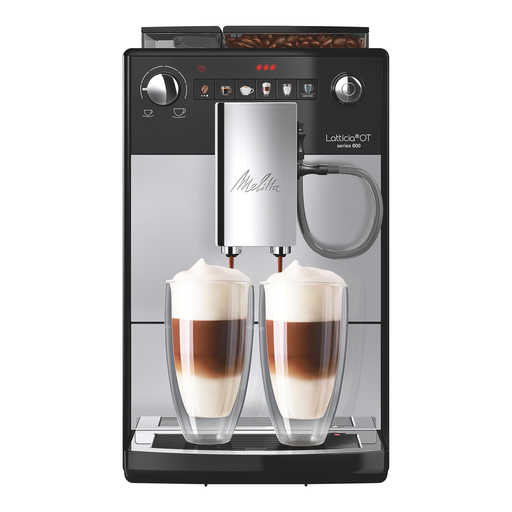
Why this product fits the profile: The one-touch function is ideal for users who regularly want to make milky coffee drinks without having to carry out every step manually.
The machine features automatic cleaning and descaling programmes as well as a removable brew group, making regular maintenance more predictable.
1.5-litre water tank, 250-gram bean container, one-touch function and a height-adjustable spout according to the manufacturer’s specifications.
We’ve put together a full, regularly updated list of products that fully meet these strict selection criteria and the safety regulations in force in the EU.
The lifespan depends on how often you use it, your water hardness, how well you clean it and the availability of spare parts. Descale the machine according to the manufacturer’s instructions, empty the drip tray and coffee grounds container regularly, and only clean the grinder as directed. In offices or small cafés, you should also check whether the model is designed for the number of cups you’ll make each day.
Besides the purchase price, you’ll have costs for coffee beans, water filters, descaler and possibly cleaning products. A bean-to-cup machine with a one-touch function may need more cleaning products for lots of milky drinks than a manual espresso machine. So compare consumables, tank volume and maintenance intervals before you buy.
Only models that specifically mention a cold brew programme are designed for this. A classic bean-to-cup machine or espresso machine can make coffee with ice, but that doesn’t automatically replace the longer cold brewing process. For this purpose, a machine with separate programmes for espresso, filter coffee and cold brew is a good choice.