
Lieferung heute & morgen

Qualitätsgarantie

Willkommens-Angebote freischalten: KOSTENLOSE Lieferung | Bis zu 80 % RABATT | Kostenlose 30-Tage-JoyPlus-Testphase
App herunterladen
The idea of enjoying a perfect cappuccino or latte macchiato at home with the push of a button is tempting. But the market for coffee machines with milk frothers is overwhelming. Many devices overpromise and underdeliver, leading to disappointment. Before you make a decision, it's crucial to understand the common pitfalls that often only become apparent after the purchase.
As your Joybuy Product Recommendation Officer, I'm here to help you separate marketing promises from practical facts. This guide focuses on the critical features that distinguish a great machine from an impractical one.
The 3 most common mistakes when buying a coffee machine with a milk system:
To avoid a bad purchase, you should focus on three core aspects. These are the primary determinants of your machine's coffee quality, ease of use, and longevity.
The milk foam preparation is the heart of any cappuccino machine. There are two fundamental approaches here:
The choice of machine type depends on your personal preferences and your willingness to engage with the brewing process.
The best machine is of little use if the core ingredients aren't right. This also applies to the milk. For users of plant-based milk alternatives, it's important to know that not every type froths equally well. Barista editions of oat or soy milk often deliver better results. Those who value absolute freshness and control over ingredients can take preparation into their own hands. A specialised Soy Milk Maker or a powerful portable blender allows you to make fresh nut or grain milk in minutes.
Here are some models tailored to different needs that cleverly avoid the pitfalls mentioned earlier.
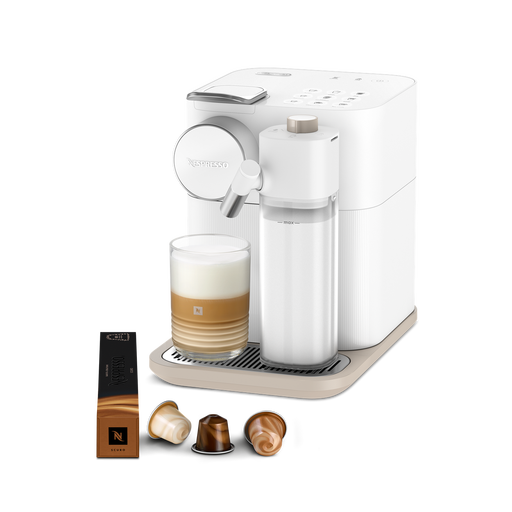
Why This Fits Their Persona: Ideal for users who want a variety of milk-based coffee specialities quickly and effortlessly, with consistent quality. The one-touch operation is self-explanatory.
The one-touch milk system features a detachable container with dishwasher-safe parts. A semi-automatic rinse function after each use minimises daily cleaning efforts, thus avoiding the hygiene trap.
Prepares six different recipes (from cappuccino to flat white) at the touch of a button. The heat-up time is very short at 18 seconds for coffee.
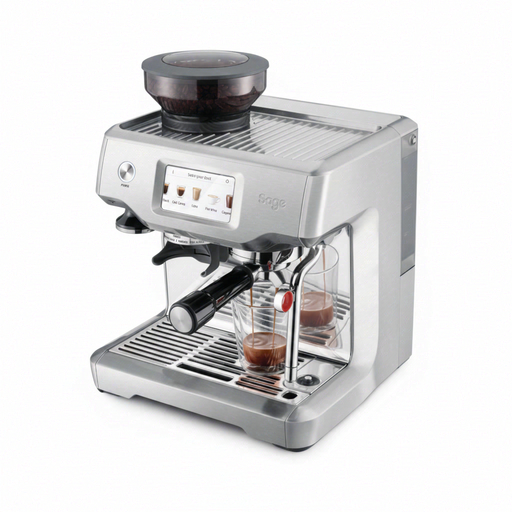
Why This Fits Their Persona: Perfect for coffee lovers who appreciate the ritual of preparation but don't want to sacrifice modern convenience. The machine offers control over the entire process, from bean to milk foam.
Instead of relying on high pump pressure, this machine focuses on the factors that truly matter: an integrated grinder for fresh coffee and precise temperature control (ThermoJet system). This bypasses the high-pressure illusion.
Features an integrated conical burr grinder and an automatic steam wand that makes milk temperature and texture adjustable. The touchscreen display intuitively guides you through the preparation process.
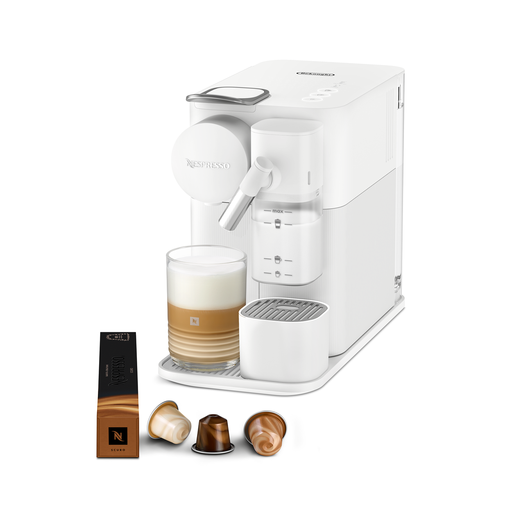
Why This Fits Their Persona: This machine is designed for kitchens with limited space. It combines a sleek, modern design with the simple preparation of single-serving cappuccinos and latte macchiatos.
The milk system is designed for single servings, preventing milk waste. The container consists of just a few dishwasher-safe parts, which makes cleaning extremely simple and eliminates hygiene issues from the start.
A very compact footprint and an innovative milk system that uses the exact amount of milk needed for one drink. Ideal for single-person households or occasional milk-coffee drinkers.
We have compiled a complete, up-to-date list of products that fully meet these strict selection criteria and all relevant safety standards.
1. How often does a milk system need to be cleaned? An automatic milk system should be cleaned after every use with its integrated rinse function. The milk container and all parts that come into contact with milk should be thoroughly cleaned daily with water and washing-up liquid, or in the dishwasher (if approved by the manufacturer). A manual steam wand should be wiped immediately with a damp cloth and purged briefly after each individual use.
2. What pump pressure is actually necessary for an espresso machine? While many machines advertise up to 20 bars, a pressure of around 9 bars directly on the coffee grounds (in the brew head) is optimal for extracting a balanced espresso. Excessively high pressure can lead to over-extraction, making the coffee taste bitter. More important than the maximum pump pressure are a stable brewing temperature and a consistent grind size.
3. Can I use plant-based milk alternatives in any coffee machine with a milk frother? Generally, yes, but the results vary greatly. The fat and protein content of the milk alternative is crucial for foam quality. Oat and soy milks in special "Barista" versions usually froth best, as they are optimised for this purpose. With automatic systems, some milk alternatives can cause issues with consistency or cleaning. It is advisable to try out different brands.