
Lieferung heute & morgen

Qualitätsgarantie

Willkommens-Angebote freischalten: KOSTENLOSE Lieferung | Bis zu 80 % RABATT | Kostenlose 30-Tage-JoyPlus-Testphase
App herunterladen
The desire for a creamy cappuccino or a latte macchiato doesn't have to be limited to a café visit. A coffee machine with a milk frother brings this experience right into your own kitchen. However, the range of systems is vast, and making a decision can be complex. Whether it's a bean-to-cup machine, a portafilter model, or a capsule system, each device has specific features. This guide provides an objective overview to help you find the perfect machine for your needs and habits.
Before you make a decision, several key factors should be considered. Choosing the right system and understanding its technical features are crucial for long-term satisfaction.
The type of machine significantly determines its ease of use, taste profile, and maintenance requirements.
The milk frothing method is a central feature of a coffee machine for cappuccino.
Two technical aspects are relevant for quality and longevity.
Here, we present three models from different system categories that stand out for their specific features and functions.
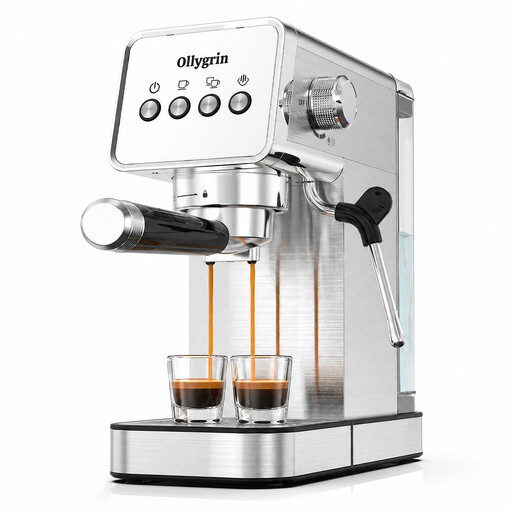
Why it stands out: The Ollygrin EM1502 is a classic portafilter machine aimed at users who appreciate the hands-on brewing process. With a stated pump pressure of 20 bars, it is designed to ensure a complete extraction of flavours from the coffee grounds. The manual steam wand gives the user full control over milk texture for cappuccinos and latte art.
Pros:
Who is it for? For coffee enthusiasts who enjoy the ritual of coffee preparation and want full control over their espresso and milk foam.
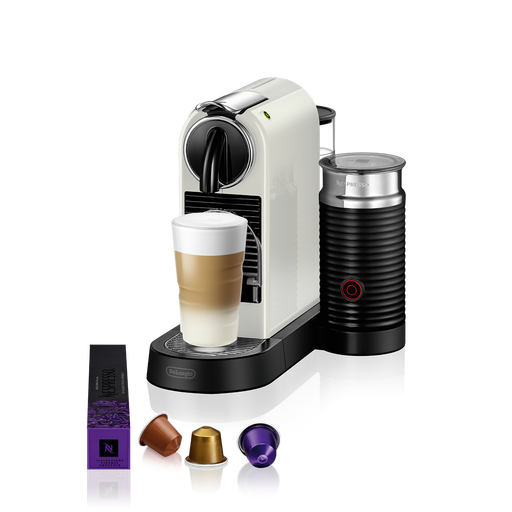
Why it stands out: This De'Longhi coffee machine, part of the Nespresso system, combines speed with convenience. According to the manufacturer, the machine is ready to use in just 25 seconds. The integrated Aeroccino milk frother prepares hot or cold milk foam at the touch of a button, making the preparation of milk-based coffee specialities extremely simple.
Pros:
Who is it for? For users who value speed, ease of use, and a compact design. Ideal for a quick coffee in the morning or for offices that need to offer a variety of drinks without any hassle.

Why it stands out: The Magnifica S bean-to-cup machine from De'Longhi is an all-rounder that transforms fresh beans into finished coffee specialities. The integrated 13-step conical burr grinder freshly grinds the beans for each cup. Coffee strength and volume can be individually adjusted using direct selection buttons and a rotary dial. The special milk frothing nozzle is designed for preparing creamy foam for cappuccinos.
Pros:
Who is it for? For households and users who appreciate the convenience of a fully automatic machine and want to enjoy a variety of coffee specialities from freshly ground beans at the touch of a button.
Our selection covers three popular systems. If the right model for your needs isn't among them, it's worth exploring other options. Discover a wider variety of machines in our professional espresso machine category.
1. What is the difference between a coffee machine for cappuccino and a regular coffee maker? A coffee machine for cappuccino has a special function for frothing milk. This can be a manual steam wand, an integrated automatic milk system, or an external milk frother. A simple coffee maker, like a drip filter machine, does not have this function and only prepares black coffee.
2. How many bars of pressure should an espresso machine have? For espresso extraction, a brewing pressure of around 9 bars at the coffee grounds is the recognised standard. Many home machines advertise a pump pressure of 15 bars or more. This higher value serves to compensate for pressure loss within the system and ensure that the required 9 bars of pressure are consistently delivered at the brew head.
3. How do you clean a milk frother properly? Cleaning should be done immediately after each use to remove milk residue. For a steam wand, wipe it with a damp cloth and briefly purge it with steam. Automatic milk systems often have integrated cleaning programs that should be used regularly. External frothers can usually be easily disassembled and cleaned by hand or in the dishwasher. Always follow the manufacturer's specific instructions.