
Lieferung heute & morgen

Qualitätsgarantie

Willkommens-Angebote freischalten: KOSTENLOSE Lieferung | Bis zu 80 % RABATT | Kostenlose 30-Tage-JoyPlus-Testphase
App herunterladen
Anyone looking for beverage dispensers and coffee machines for home will usually compare several product categories at once: coffee makers, filter coffee machines, automatic coffee machines, espresso machines, hot water dispensers, and glass beverage dispensers. The differences are not limited to price. Capacity, cleaning requirements, temperature settings, footprint, and whether the appliance is intended for everyday use or occasional entertaining are all decisive factors.
As a Joybuy Product Recommendation Officer, I assess product specifications against transparent, verifiable criteria. This helps prevent common purchasing mistakes without relying solely on marketing claims.
A large water tank or an 8-litre container may initially sound convenient. In a small kitchen, however, the appliance can take up a significant amount of workspace. Beverage dispensers also require sufficient clearance beneath the tap. Before buying, check the following:
For one or two people, a compact coffee machine with a smaller output is often sufficient. Families, offices, and events benefit more from larger containers and fewer refills.
A hot water dispenser with several temperature settings can be practical for tea, instant drinks, and different brewing methods. However, buyers should check whether the desired temperatures can actually be selected and how much water is dispensed per serving.
According to the product description, the Bear YSJ-E40T2-NEW model offers six temperature settings from 45 to 90°C and five selectable dispensing volumes. Information like this is useful, but it does not replace checking the instruction manual, child-safety lock, and cleaning programme.
A filter coffee machine requires paper filters and descaling products. An automatic coffee machine also needs regular care for the brewing unit, milk system, and water circuit. A water filter dispenser or reverse osmosis water dispenser solution requires compatible filter cartridges.
The waterdrop WD-A2 is listed with five-stage reverse osmosis filtration, a filter-life indicator, and a ratio of three parts tap water to one part treated water. Before purchasing, check whether original cartridges are available in Germany and what ongoing costs they involve.
Coffee machine capacity is often stated in cups. A cup does not always correspond to a large mug of coffee; depending on the manufacturer, it may be considerably smaller. Households with several coffee drinkers should therefore consider a machine with a capacity of up to ten cups rather than a compact 300 ml model.
With a capacity of 300 ml, the Konka coffee machine is designed for small servings. According to the product description, extraction takes approximately four minutes and the dispensing temperature is around 65°C. This may suit a single serving of coffee or flower tea, but it is less suitable for serving a larger group.
A glass beverage dispenser makes the fill level visible and is visually well suited to water, iced tea, or juice. However, glass is prone to breakage and is not automatically suitable for hot liquids. According to the manufacturer’s specifications, the 3.8-litre Atmosphera DISPENSER MONA must not be used with hot drinks. The 6-litre Fuzy dispenser is likewise intended for cold or room-temperature beverages.
Pay attention to:
With a beverage dispenser with tap, the tap should remain closed after filling. The container must also be placed on a stable, level surface.
Coffee machines with removable parts are generally easier to maintain. According to the product data, the Melitta Coffee Machine One features an integrated descaling programme, a descaling indicator, and several dishwasher-safe parts. Keep-warm periods of 0, 30, or 60 minutes can also be selected.
For electrical kitchen appliances, automatic shut-off, overheating protection, and child-safe controls are important features. Hot water functions should never be used by children without supervision. Always follow the safety instructions provided by the respective manufacturer.
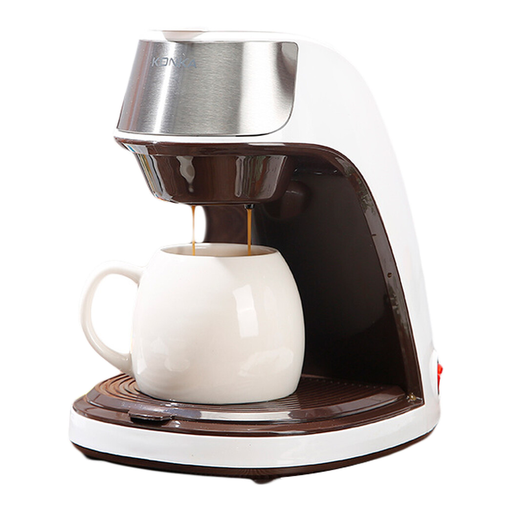
Why it suits this profile: This compact coffee machine is designed for small servings in single-person households, at the workplace, or in a small kitchen.
The stated 300 ml capacity makes it clear that this model is not intended for serving large groups. This prevents an inaccurate assessment of serving size.
Permanent nylon filter, ceramic cup, boil-dry protection, and automatic shut-off according to the product description.
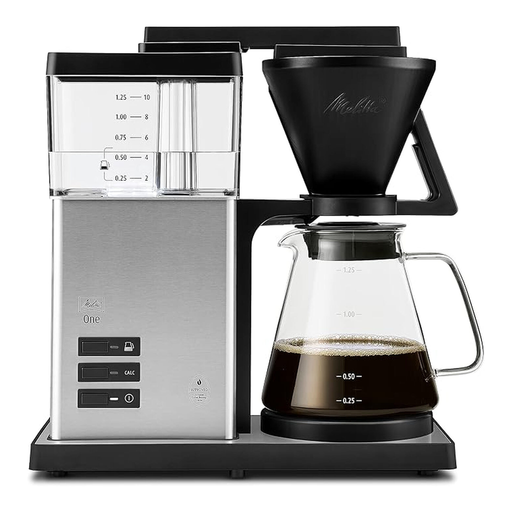
Why it suits this profile: Households that regularly drink filter coffee benefit from a ten-cup capacity and adjustable keep-warm periods.
According to the product description, the two brewing modes also accommodate smaller quantities of two to five cups. This reduces reliance on a single large brewing volume.
1,525 watts, 1x4 filter size, automatic shut-off, and an integrated descaling programme according to the manufacturer’s specifications.
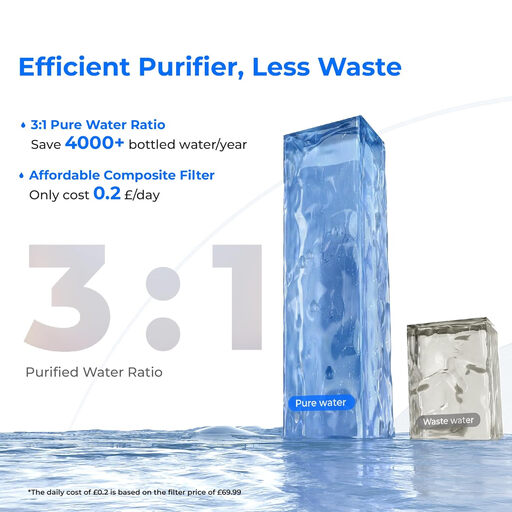
Why it suits this profile: This countertop appliance is designed for kitchens, offices, or living spaces where filtered water as well as hot and cold dispensing are desired.
The filter-life indicator and TDS display make maintenance and operating information visible. Cartridge availability should be checked before purchase.
Five-stage RO filtration, six temperature settings, five volume options, and no permanent installation required according to the product specifications.
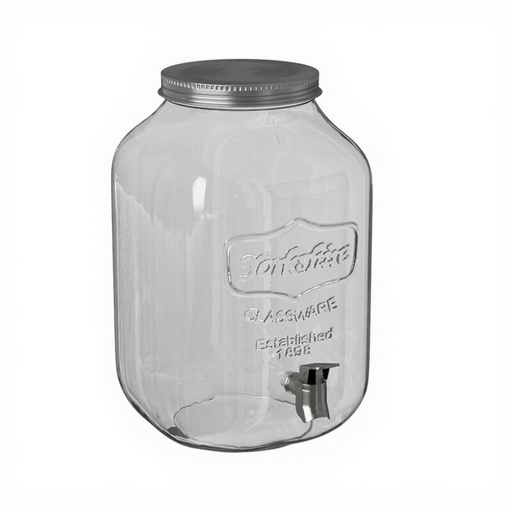
Why it suits this profile: The 8-litre capacity is well suited to self-service at family celebrations, garden parties, or small events.
The product data explicitly specifies cold or room-temperature drinks. This prevents the glass container from being used with boiling liquids.
8-litre capacity, transparent glass container, and tap dispensing without the need to lift or tilt the vessel.
We have put together a current selection of appliances that can be compared for home, kitchen, and office use based on transparent, verifiable criteria.
For one person or occasional use, 300 to 500 ml is often sufficient for coffee. Families and small offices should plan for a higher cup capacity or at least a one- to two-litre water reserve. Depending on the number of guests, beverage dispensers for events typically range from 3.8 to 8 litres.
Coffee grounds and filters should be removed after every use. Water tanks, taps, and drip trays should be rinsed regularly according to the instruction manual. Appliances with filter cartridges also require attention to the indicator or the replacement interval specified by the manufacturer. Hard tap water may make more frequent descaling necessary.
In addition to electricity consumption, ongoing expenses include coffee beans, ground coffee, paper filters, capsules, descaling products, and water filters. When comparing products, consider more than the purchase price: also check the availability and cost of consumables.