
Lieferung heute & morgen

Qualitätsgarantie

Willkommens-Angebote freischalten: KOSTENLOSE Lieferung | Bis zu 80 % RABATT | Kostenlose 30-Tage-JoyPlus-Testphase
App herunterladen
For many, preparing coffee is more than just a morning routine—it's a ritual. Those who appreciate the full flavour and rich aroma of freshly brewed coffee often turn to a manual coffee maker. Unlike fully automatic machines, these models offer direct control over the brewing process, delivering a pure, unadulterated coffee experience. Moreover, they have a small footprint, are cost-effective, and provide a more sustainable alternative, as they operate without electricity or single-use pods.
This article serves as your guide. We will introduce various methods, provide practical tips for making your selection, and present a curated range of models to suit different needs and preferences.
Before making a decision, there are a few fundamental aspects to consider. The type of coffee maker has the most significant impact on the taste and aroma of your coffee.
Each method extracts flavours from the coffee grounds differently, leading to vastly different results in the cup.
The material influences not only durability and aesthetics but also the taste.
Consider how much coffee you typically prepare. Capacities are often listed in cups, where one "cup" usually corresponds to a small moka or espresso (approx. 50-60 ml). For larger quantities, models with a capacity of 1 liter or more are better suited. Also, pay attention to ease of cleaning—models with few, easily disassembled parts have an advantage here.
Based on functionality, design, and material, we have curated a selection of coffee makers that turn the art of manual brewing into a true pleasure.
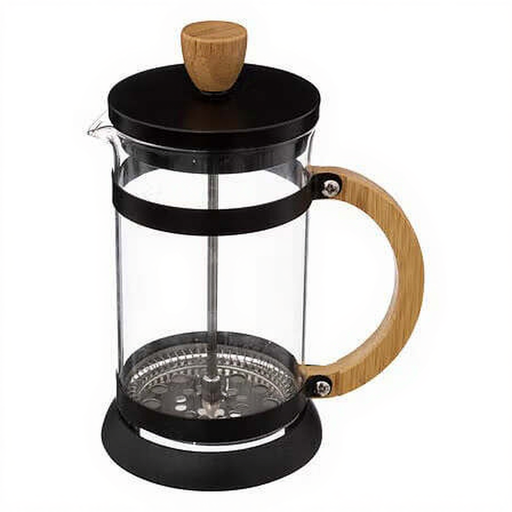
Why This Model Stands Out: The Atmosphera Black Bambou is a pour-over coffee maker that blends functionality with an elegant, nature-inspired design. The combination of heat-resistant borosilicate glass, a black finish, and accents of real bamboo on the handle and lid makes it a stunning centrepiece in any kitchen.
Advantages:
Who Is It For? For design lovers and eco-conscious coffee drinkers who appreciate the clean flavour profile of the pour-over method and are looking for a stylish, functional device for daily use.
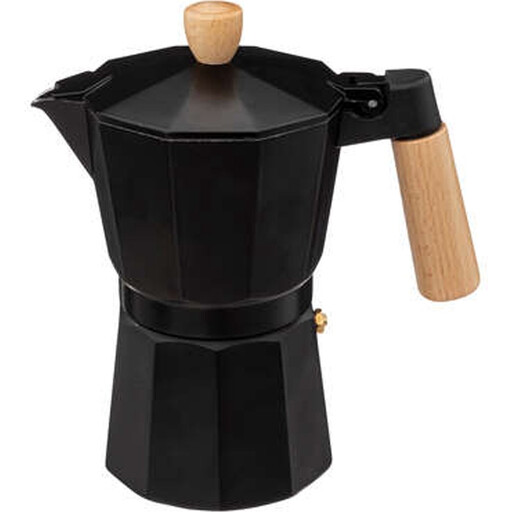
Why This Model Stands Out: This stovetop espresso maker from Secret de Gourmet follows the classic design of an Italian moka pot, reliably delivering strong, aromatic coffee. Its matte black finish gives it a modern touch, while the aluminium construction ensures fast and efficient heat transfer on the stovetop.
Advantages:
Who Is It For? For anyone who loves the strong, concentrated taste of moka coffee and is looking for a reliable, easy-to-use non-electric coffee maker for the stovetop.
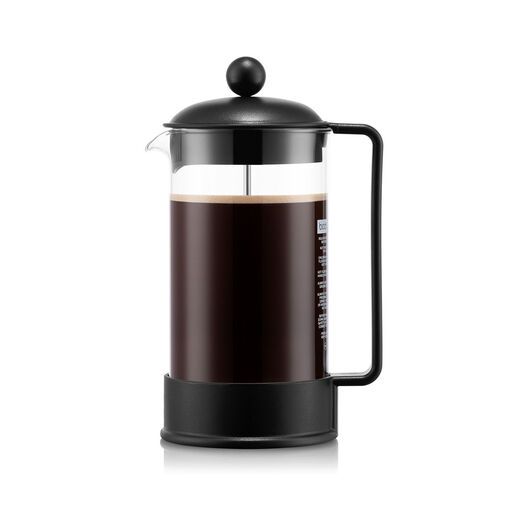
Why This Model Stands Out: The BODUM BRAZIL is an icon among French press coffee makers. This model combines the classic Bodum design with a large capacity and proven functionality. It is a prime example of straightforward yet flavourfully compelling coffee preparation.
Advantages:
Who Is It For? For lovers of the full-bodied taste of a French press and for anyone who regularly prepares larger quantities of coffee and relies on a trusted brand and simple operation.
The French press is renowned for its rich and robust flavour. If you are a fan of this brewing style and wish to explore more designs or sizes, you are sure to find the perfect model in our collection.
Explore our entire selection of Black French Presses and find the perfect model for your kitchen.
The main difference lies in the brewing method. With a French press (immersion), the coffee grounds steep in hot water for several minutes. The result is a full-bodied coffee with more body. The moka pot uses pressure to quickly force water through the grounds, resulting in a shorter, more intense, and concentrated coffee similar to an espresso.
The grind size is crucial for the final result. As a rule of thumb:
Most manual coffee makers are easy to clean. Remove the coffee grounds (which are great as plant fertiliser) and rinse all parts thoroughly with warm water. Many glass carafes are dishwasher-safe, but always check the manufacturer's instructions. Aluminium moka pots should only be cleaned by hand with water to avoid damaging the protective patina.