
Lieferung heute & morgen

Qualitätsgarantie

Willkommens-Angebote freischalten: KOSTENLOSE Lieferung | Bis zu 80 % RABATT | Kostenlose 30-Tage-JoyPlus-Testphase
App herunterladen
A good coffee mug is more than just a vessel; it's a daily companion. But the selection is vast, and product descriptions are often confusing. Many buyers only discover after a few weeks that their new favourite mug is developing cracks, the colour is fading, or the "leak-proof" lid has ruined the contents of their backpack. To save you from such disappointments, we'll show you the most common pitfalls and what to look for when making your choice.
Before you make a decision, you should be aware of the typical problems that often only become apparent with everyday use.
To avoid a bad buy, focus on these three objective criteria. They will help you assess the quality of a coffee mug, independent of marketing promises.
The choice of material affects the feel, durability, and ability to retain heat.
These two features are crucial for daily use.
The size and shape should match your drinking habits.
Here are some recommendations tailored to specific user profiles that take the above criteria into account.

Why It's a Good Fit: Ideal for daily coffee or tea at the office or at home. Its generous capacity and robust material make it a hassle-free companion.
Made from porcelain, this mug is more resistant to chipping than simple stoneware. It is explicitly designed for daily use, being both dishwasher and microwave safe.
Large 380 ml capacity. Clean, functional design without fragile decorations.
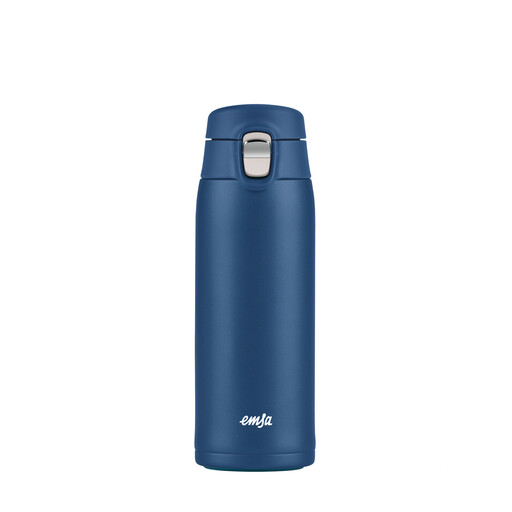
Why It's a Good Fit: Designed for use on the go. The combination of low weight, a slim shape, and a reliable seal makes it the ideal companion for commuting or travelling.
It addresses the problem of leaky lids with what the manufacturer claims is a 100% leak-proof seal. The flip-top closure allows for hygienic, one-handed operation and is designed for easy cleaning.
Good insulation performance (keeps drinks hot for 8h / cold for 16h, according to the manufacturer). Slim design fits standard cup holders.
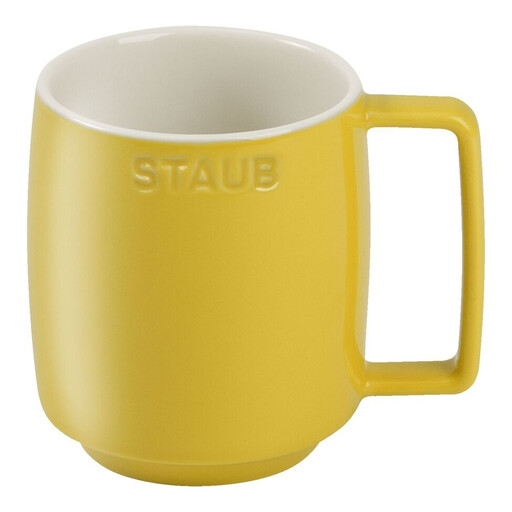
Why It's a Good Fit: For anyone who values brand quality, aesthetics, and tactile feel. This mug from STAUB combines an appealing design with high-quality materials and functionality.
The high-quality enamel coating on this ceramic mug is scratch-resistant and easy to clean. It is dishwasher-safe without losing its colour brilliance, thus avoiding the pitfall of fading decorations.
Heat-resistant up to 300°C, making it suitable for the oven (e.g., for mug cakes). Ergonomic handle for comfortable use.

Why It's a Good Fit: This mug set is ideal for families or as a starter set for a new home. The uniform design creates a harmonious look on the coffee table.
The reactive glaze provides a durable and unique finish on each mug. The set is explicitly designated as dishwasher-safe and microwave-safe, ensuring its suitability for everyday use.
Good value for a set of 4. The stackable design saves space in the kitchen cabinet.
We have compiled a complete, up-to-date list of products that fully meet these strict selection criteria and German safety regulations.
Porcelain is a subtype of ceramic that is fired at higher temperatures. This makes it less porous, denser, and more resistant to impacts and scratches than ordinary stoneware (another type of ceramic). A porcelain mug often feels more refined and is usually lighter. Stoneware is thicker and retains heat longer, but it is more prone to chipping at the edges.
A reliable indicator is the type of decoration. Look for terms like "in-glaze" or "underglaze." This means the colour is sealed under a protective layer of glaze and cannot be washed off. With simple on-glaze prints, there is always a risk that they will fade over time. When in doubt, solid-coloured mugs are the safest bet.
That depends on your personal preference. A standard coffee is about 200–250 ml. A classic mug often holds around 300 ml. If you like lattes, cappuccinos, or just a large serving in the morning, a large coffee mug with a capacity of 380 ml to 500 ml is a good choice. For espresso, special small cups of about 60–90 ml are used.