
Lieferung heute & morgen

Qualitätsgarantie

Willkommens-Angebote freischalten: KOSTENLOSE Lieferung | Bis zu 80 % RABATT | Kostenlose 30-Tage-JoyPlus-Testphase
App herunterladen
Good coffee is an investment in your daily pleasure. But even the highest-quality bean quickly loses its value if not stored correctly. Oxygen, light, and moisture are the greatest enemies of coffee's aroma. Improper coffee storage can cause your coffee to taste stale and flat after just a few days.
Many coffee lovers unwittingly fall into traps set by marketing promises. Before you make a decision, it's crucial to understand the most common flaws that lead to disappointment and wasted money.
A thoughtful choice not only preserves the aroma but also brings order and style to your kitchen.
To avoid a poor purchase, you should focus on three objective criteria. These will help you separate the wheat from the chaff and find a solution that preserves the value of your coffee.
The container's material is crucial for aroma protection. Each has specific advantages and disadvantages:
The lid is the most critical component of an aroma-tight coffee canister.
The type of coffee you use determines the ideal storage solution.
Based on these objective criteria, we have identified several products that provide a suitable solution for specific user profiles.
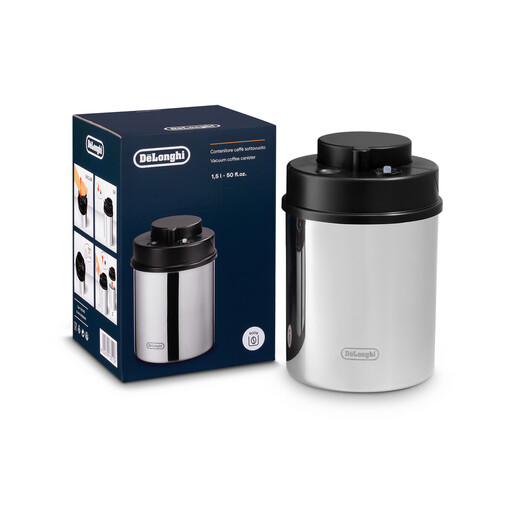
Why This Fits Their Persona: Ideal for coffee lovers who invest in high-quality beans and want to preserve their volatile aromas for as long as possible. The focus here is clearly on maximum aroma protection.
This container goes beyond the passive promise of being 'aroma-tight.' The manual vacuum pump actively removes oxygen, directly combating the main cause of aroma loss.
The integrated date indicator helps you keep track of freshness. The polished stainless steel body provides reliable protection against light and moisture.

Why This Fits Their Persona: Perfect for anyone who appreciates a tidy and visually appealing kitchen counter. This set creates a uniform look and keeps the most important ingredients within reach.
The set avoids a mismatched appearance. The enamelled steel material is flavour-neutral and durable, unlike cheap plastic canisters that can absorb odours.
Offers a coordinated design for tea, coffee, and sugar. The enamel coating is water- and scratch-resistant, while the stainless steel lids ensure a secure seal.

Why This Fits Their Persona: Solves the everyday problem of messy capsule packaging. It provides a clear overview of all varieties and turns the coffee corner into an organized focal point.
Unlike unstable or poorly made plastic holders, the bamboo construction offers high stability and a premium feel. The design is both functional and aesthetic.
Offers a high capacity for up to 70 capsules, which means less frequent refilling. The bamboo material is sustainable, durable, and easy to clean.
We have compiled a complete, up-to-date list of products that fully meet these strict selection criteria and quality standards.
1. How long do coffee beans stay fresh in a coffee canister? In a high-quality, airtight coffee canister, whole beans remain aromatic for about two to four weeks after opening the package. In a vacuum coffee canister, this period can extend to several weeks, according to manufacturer claims, as contact with oxygen is minimized. Ground coffee loses its aroma much faster, often within a week.
2. Is a vacuum coffee canister really necessary? It's not essential, but for coffee connoisseurs who use particularly high-quality and expensive beans, it can be a worthwhile investment. It measurably slows down the coffee's aging process. For the average coffee drinker who consumes their coffee within one to two weeks, a good coffee canister with a bail closure or another solid, airtight lid is often sufficient.
3. What is the most suitable material for a coffee canister? Stainless steel is considered one of the most reliable options. It is opaque, flavour-neutral, robust, and easy to clean. Ceramic and opaque glass are also very good, flavour-neutral alternatives. The important thing is that the material protects the coffee from its three main enemies: oxygen, light, and moisture.