
Lieferung heute & morgen

Qualitätsgarantie

Willkommens-Angebote freischalten: KOSTENLOSE Lieferung | Bis zu 80 % RABATT | Kostenlose 30-Tage-JoyPlus-Testphase
App herunterladen
Good coffee is an investment in your daily pleasure. Yet, even the highest quality bean quickly loses its character if stored incorrectly. Many coffee lovers invest in expensive beans, only to find the flavour has faded after just a few days. The reason often lies in choosing the wrong coffee storage.
Before you make a decision, it's important to know the typical pitfalls that lead to disappointing results:
A thoughtful choice not only preserves the flavour but also contributes to kitchen organisation and aesthetics.
To avoid buyer's remorse, you should check three core parameters. These determine how well your coffee is protected and how functional the solution is for you.
The choice of material is crucial for flavour protection. Each material has specific pros and cons:
A good seal is the heart of any airtight coffee canister. The most common types are:
The right storage also depends on your coffee preference. While a coffee storage canister is ideal for beans and ground coffee, capsule users need a different solution. A capsule holder ensures order, quick access, and an attractive presentation next to the coffee machine. For a uniform look in the kitchen, storage canister sets that match the design of the coffee canister are also a great option.
Here are some recommendations tailored to different needs and usage scenarios.
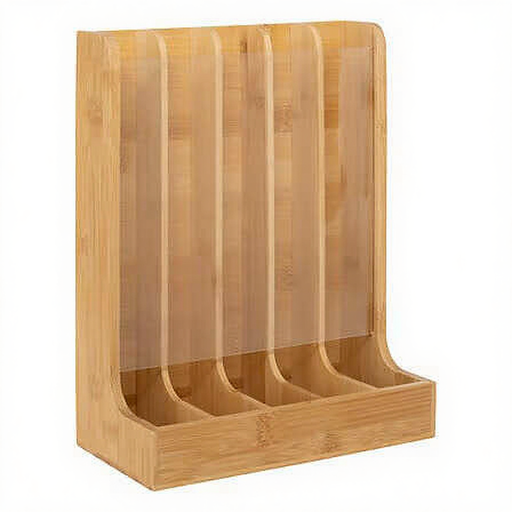
Why This Fits Their Persona: Ideal for users of capsule machines who want to store a large number of capsules neatly and within easy reach. The bamboo material blends harmoniously into the kitchen environment as a natural element and offers a practical solution for daily coffee preparation.
Solves the "impractical design" problem by offering an open and easily accessible storage solution specifically designed for coffee capsules. No more messy boxes in the drawer.
Generous capacity for up to 70 capsules; made from sustainable bamboo.
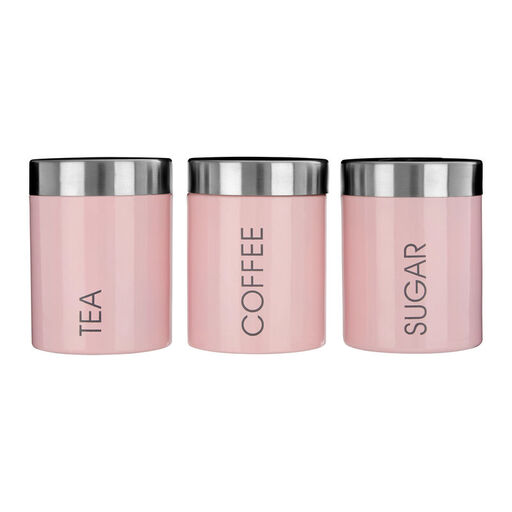
Why This Fits Their Persona: This set is for those who value a uniform and appealing look in their kitchen. It provides a coordinated solution for storing coffee, tea, and sugar, adding a stylish accent to the countertop.
Avoids the "material flaws" trap by using robust, scratch-resistant enamel on a stainless steel base. This material is flavour-neutral and reliably protects the contents, while the lids ensure a secure seal.
Uniform design for kitchen organisation; labelled tins for coffee, tea, and sugar.
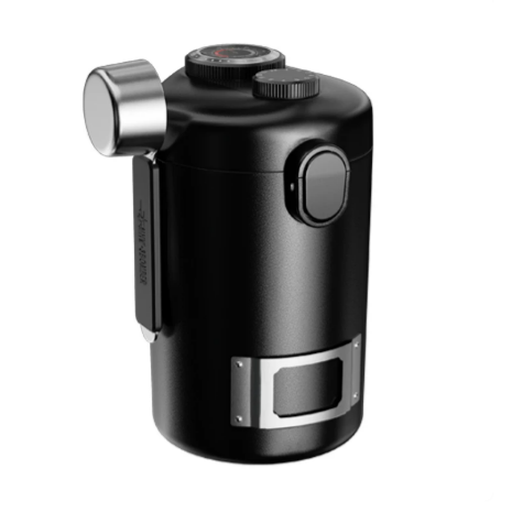
Why This Fits Their Persona: For coffee connoisseurs who care about the maximum freshness of their beans. This model offers technical features that go beyond simple storage, enabling active control of the storage climate.
Directly counters the "airtight" trap. Instead of relying solely on a gasket, this canister features an integrated humidity indicator. This allows you to objectively monitor the internal conditions and know that the protection is effective.
Integrated humidity monitoring for active control; double-layer structure for improved storage efficiency.
We have compiled a complete, up-to-date list of products that fully meet these strict selection criteria and UK safety regulations.
The shelf life heavily depends on the quality of the coffee canister. In a simple container with a standard lid, you should consume the beans within 1-2 weeks. In a high-quality, truly airtight canister, this period can extend to 3-4 weeks. A vacuum-sealed canister can preserve freshness even longer, according to manufacturers, as contact with oxygen is minimised.
No, this is a common misconception. The refrigerator is a humid environment. Temperature fluctuations from taking it out and putting it back cause condensation on the beans, which harms the flavour. Additionally, coffee can absorb foreign odours from the fridge. Always store your coffee in a cool, dry, and dark place at room temperature.
Materials that are opaque, robust, and flavour-neutral are most suitable. Stainless steel and ceramic are excellent options for this. They protect the coffee from light and do not impart any unwanted flavours. If you use glass, make sure it is dark and opaque to protect the beans from light exposure.