
Lieferung heute & morgen

Qualitätsgarantie

Willkommens-Angebote freischalten: KOSTENLOSE Lieferung | Bis zu 80 % RABATT | Kostenlose 30-Tage-JoyPlus-Testphase
App herunterladen
A new coffee table can transform the look and feel of an entire living room. But the selection is vast, and not every model that looks great at first glance will stand the test of daily use. Many buyers only realise months later that their new living room table is impractical, unstable, or high-maintenance. As your Joybuy Product Recommendation Officer, I'm here to help you identify common pitfalls and make an informed decision.
Before we dive into the details, let's look at three widespread issues that often lead to disappointment:
To avoid these mistakes, you should check three core aspects before you buy. These will help you distinguish quality models and find one that suits you both aesthetically and functionally.
The material determines not only the look of your table but also its durability and maintenance needs.
If you're looking for more than just a surface to place things on, the mechanical details are critical.
The right size ensures a harmonious overall look. As a rule of thumb:
Here are a few recommendations tailored to different needs and living situations.
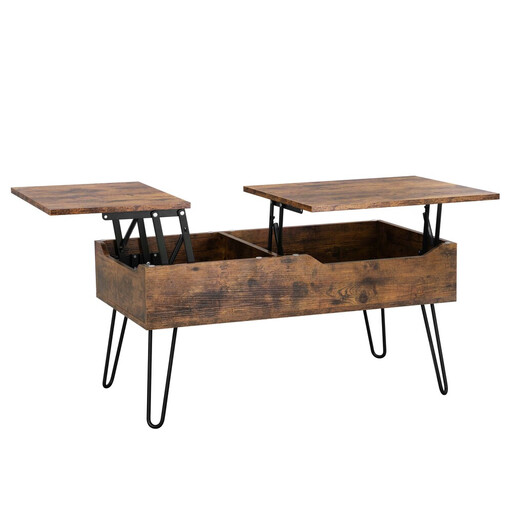
Why it's a great fit: Ideal for homes where the living area also serves as a workspace or dining area. The separately lifting tops allow for flexible use by multiple people at the same time.
The spring-assisted lifting system ensures a smooth and stable motion, bypassing the problem of wobbly or jamming mechanisms.
Maximum functionality with two lift-up tabletops and hidden storage underneath for a clean, organised look.
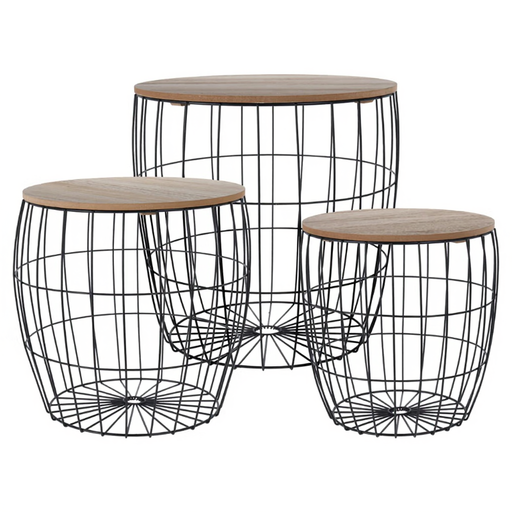
Why it's a great fit: For those who appreciate a modern aesthetic and need a flexible solution that adapts to their space without dominating it. Perfect for smaller living rooms or as a complement to an existing setup.
Instead of a single, potentially ill-proportioned table, this set offers three elements that can be grouped or separated as needed. This elegantly sidesteps the trap of incorrect sizing.
Versatile as a coffee table set or individual side tables. The combination of metal and wood is durable and visually appealing.
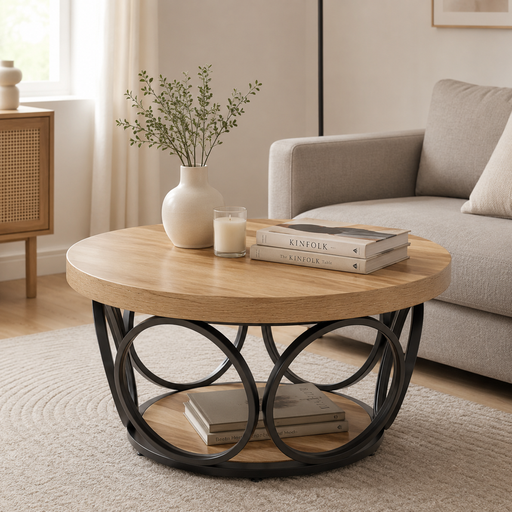
Why it's a great fit: For households that often host guests and need a central, generous surface. A round coffee table encourages conversation and is easily accessible from all seats.
The low-maintenance engineered wood surface is more resistant to scratches and stains than delicate high-gloss or solid wood finishes. The solid metal frame provides essential stability.
The generous 80 cm surface and the second storage shelf offer ample space for drinks, snacks, and decor—a practical coffee table with storage.
We've curated a complete, up-to-date list of products that fully meet these strict selection criteria and rigorous safety standards.
The ideal height for a coffee table is based on the seat height of your sofa. The tabletop should be level with the seat cushions or a few centimetres lower. This typically corresponds to a height of 40 to 50 cm. This allows you to comfortably place and retrieve items without having to bend over or stretch too much.
For maximum durability, a combination of a solid metal frame (e.g., powder-coated steel) and a tabletop made of high-quality engineered wood with a melamine coating is an excellent choice. This combination is stable, scratch-resistant, and very easy to maintain. Solid wood is also very durable but requires more care depending on the surface treatment.
The main difference lies in size and placement. A coffee table is typically larger and placed centrally in front of the sofa. It serves as the main surface in the seating area. A side table is smaller, often taller, and is usually positioned next to a sofa or armchair. It serves as a convenient spot for a drink, a book, or a lamp and is more flexible in its use.