
Lieferung heute & morgen

Qualitätsgarantie
App herunterladen
Kategorien
Optimising living space is increasingly important in urban environments. A coffee table with storage is more than just a surface; it's a multifunctional piece of furniture that enhances organisation and everyday flexibility. Selecting the right model depends on specific requirements for materials, mechanics, and dimensions. This article analyses various designs and presents a selection of models tailored to different use cases.
The decision for a functional table should be based on an analysis of its design features. The following parameters are relevant for an objective evaluation.
The durability and stability of a table are largely determined by the materials used.
The multifunctionality of a coffee table is defined by its mechanical components and design.
Based on the technical criteria above, we present three models that stand out for their specific design solutions, catering to different needs.
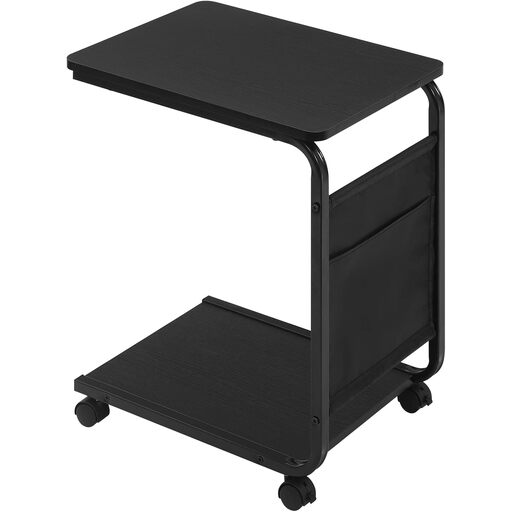
Why We Recommend This Product This model combines mobility with vertical storage. Its C-shaped structure is specifically designed for use with sofas and beds, bringing the work surface ergonomically close to the user.
Pros:
Who It's For: This model is ideal for those who need a flexible side table on castors that can function as a mobile workstation next to the sofa or as a nightstand replacement. It is particularly well-suited for small living spaces where furniture needs to be moved around flexibly.
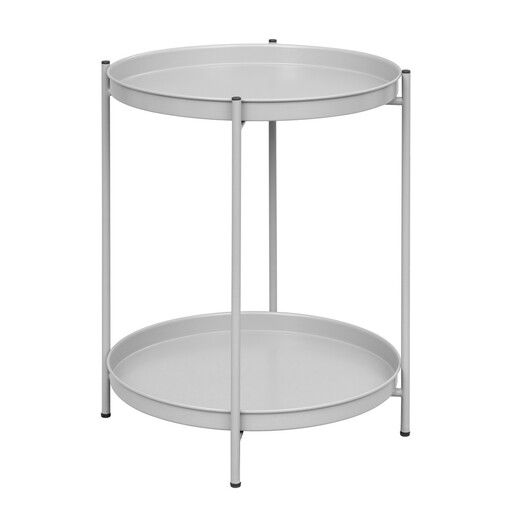
Why We Recommend This Product This table's strength lies in its modular design. The two removable trays make it a versatile sofa table and serving assistant in one.
Pros:
Who It's For: This compact table is perfect for users who value flexibility and a modern design. It's an excellent choice for living rooms or bedrooms where a compact side table with storage that also serves as a serving aid is needed.
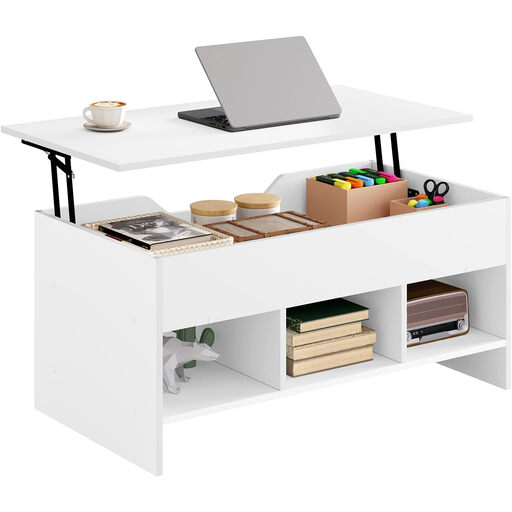
Why We Recommend This Product This model is a classic living room table that transforms into a functional workspace thanks to its lift-top mechanism. It offers a significant amount of both concealed and open storage.
Pros:
Who It's For: This height-adjustable coffee table is the solution for those who want to work or eat in the living room without adopting an uncomfortable posture. It is ideal for organising home office supplies, laptops, and everyday items within one central piece of furniture.
The models featured here represent a selection of specific functionalities. For a broader overview of designs, sizes, and materials, you can consult our main category for Sofa Side Tables with Storage.
1. How high should a coffee table be? The ideal height of a coffee table is based on the seat height of your sofa. As a standard, the top of the table should be level with or a few centimetres below the seat cushion, typically between 40 and 50 cm. With height-adjustable models, the working height can be raised to approx. 60-70 cm, which corresponds to an ergonomic desk height while seated.
2. What is the difference between a coffee table and a side table? A coffee table is typically larger and placed centrally in front of the sofa. A side table (or end table) is smaller, often more mobile, and is positioned to the side of a sofa or armchair. Functional models like the C-shaped table blur these lines, as they combine the features of both types.
3. How do you care for engineered wood surfaces with a melamine finish? A soft, slightly damp cloth is usually sufficient for cleaning. Abrasive cleaners or scouring pads should be avoided as they can damage the surface. Spills should be wiped up immediately to prevent the material from swelling.