
Lieferung heute & morgen

Qualitätsgarantie

Willkommens-Angebote freischalten: KOSTENLOSE Lieferung | Bis zu 80 % RABATT | Kostenlose 30-Tage-JoyPlus-Testphase
App herunterladen
Filter coffee can be prepared with very little equipment. Even so, buying coffee filters often leads to unnecessary costs: the filter bags do not fit the holder you already have, the material tears while pouring, or a reusable filter is hardly used because it is difficult to clean. Checking a few technical details before buying can help you avoid these poor choices.
Details such as 1x4, 1x6 or size 4 do not describe the number of filters in the pack. They refer to the format that fits the filter holder or coffee machine. A size 1x4 coffee filter is therefore not automatically compatible with a size 1x6 holder.
Before buying, it is worth checking:
Brown filter bags are often sold as unbleached coffee filters. However, colour alone is not sufficient proof of how they were manufactured. Buyers should look for specific material details such as “unbleached paper”, “wood pulp” or certification information.
According to the product description, the Melitta Coffee Filter Bags Original 1x4 White use recycled material, among other materials; the paper is also marked with FSC Mix Credit. The Jeden Tag Coffee Filters Size 4 Natural Brown are described as brown filters made from unbleached paper. Such details are more informative than general terms such as “eco-friendly”.
The mesh size or paper structure affects how quickly water flows through the filter and how many particles are retained. A very fine-pored filter can slow the flow, while a coarse permanent filter allows more coffee oils and fine residue through. The most suitable option depends on the grind size, the amount of coffee and the type of cup you prefer.
For traditional filter coffee machines, paper filters for coffee machines are widely available in standardised formats. Sizes 1x4 and 1x6 are among the most commonly used options. 1x4 is typically suitable for small to medium brews, while 1x6 is used in correspondingly larger holders. Always check compatibility against your machine model.
For manual brewing, you need pour-over coffee filters and a suitable coffee dripper. Cone filters differ from flat-bottom basket filters in both shape and water flow. You can find an overview of suitable models in the category Discover cone filters.
Coffee filter paper is designed for single use. It retains the coffee grounds and can be disposed of with them after brewing. Check the stated quantity, the type of paper and whether the seam is sturdy. Some products also use certified filter paper or paper made from specific raw materials.
A stainless steel coffee filter, or permanent coffee filter, can be used repeatedly. Cleaning after every brew and choosing the right shape are therefore essential. With stainless steel models, check the stated material carefully. According to the product information, the BJ models listed here are made from 304 stainless steel and differ in mesh size: 300 or 800 Mesh.
A larger quantity only represents good value if the format actually fits your machine. A pack of 100 paper filters can be practical for everyday use, while smaller packs may be more convenient for occasional use or when travelling. Disposable filters must not be reused. Reusable filters, on the other hand, require enough time for rinsing and drying.
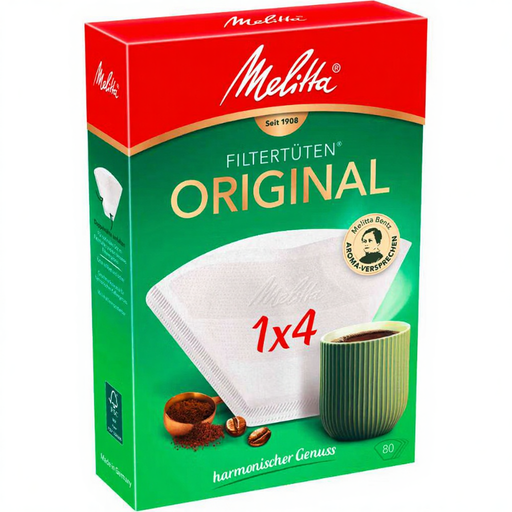
Why this product suits this profile: The pack contains 80 size 1x4 filters, making it suitable for regular use in compatible standard holders.
The clearly stated format reduces the risk of accidentally ordering an unsuitable filter size.
80 individual filters; according to the product description, the paper contains recycled material and has FSC Mix Credit certification.
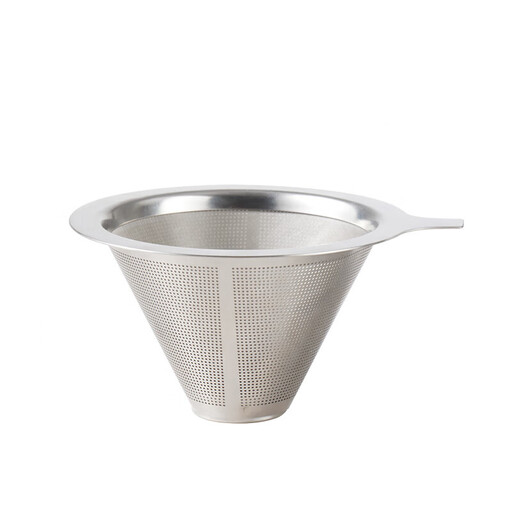
Why this product suits this profile: This reusable stainless steel filter is designed for users who want to avoid disposable paper filters in the long term.
The 304 stainless steel specification is more precise than an unexplained description such as “metal filter”.
800-Mesh design and reusable 304 stainless steel construction according to the product information.
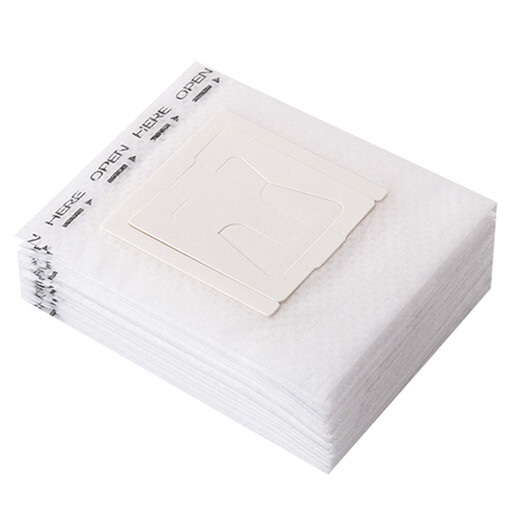
Why this product suits this profile: The disposable bags with hanging ears do not require a separate dripper, making them suitable for the office, camping and travel.
The product description clearly states the material, quantity and intended use. The bags are designed for single use.
50 portable non-woven filter bags with hanging ears; no additional filter holder required.
Paper filters should be stored somewhere dry and protected. With cone-shaped filters, folding them along the seam beforehand can help stabilise the filter in the holder. Briefly dampening the filter with hot water is often useful for helping the paper fit the holder and preheating it. Coffee grounds and water can then be measured according to the instructions for your dripper or machine.
With stainless steel filters, rinsing them immediately after use is advisable so that coffee residue does not become trapped in the mesh. More thorough cleaning may occasionally be necessary. Before buying, also check that the filter fits inside your existing cup, jug or machine.
We have put together a complete, regularly updated list of products that fully meet these strict selection criteria and the safety regulations applicable in the EU.
It depends on the filter holder of your machine or dripper. The 1x4, 1x6 or size 4 specification should match the marking in the instruction manual. With a manual brewing device, the shape of the cone filter is also important.
Unbleached coffee filters can be identified by their brown paper colour, but should be assessed based on the material description. White filters can also be made from certified or recycled paper. The key factors are the manufacturer’s specific information, the correct size and proper use.
A permanent filter is designed for repeated use. Its actual service life depends on the material, construction, cleaning routine and daily workload. If the mesh becomes misshapen, tears appear or cleaning remains difficult, the filter should be replaced. Paper filter bags, by contrast, are disposable products and should be discarded after each brew.