
Lieferung heute & morgen

Qualitätsgarantie

Willkommens-Angebote freischalten: KOSTENLOSE Lieferung | Bis zu 80 % RABATT | Kostenlose 30-Tage-JoyPlus-Testphase
App herunterladen
A coffee machine should suit your daily coffee consumption, preferred brewing method and available space. Many disappointing purchases are not caused by a lack of features, but by unclear product claims: a high bar rating alone says little about flavour, a large cup capacity does not always correspond to the usual mug size, and a stainless-steel housing does not automatically mean that every component is made from stainless steel.
This guide from the Joybuy Product Recommendation Officer helps you understand the most important specifications and choose suitable models for different usage scenarios.
With an espresso machine, portafilter machine or 20-bar espresso machine, the pump pressure is often prominently advertised. However, this figure initially describes the technical output of the pump. The result also depends on factors such as grind size, coffee quantity, water temperature, brewing time and how evenly the coffee is tamped in the portafilter.
A 20-bar machine is therefore not automatically more suitable than a 15-bar model. What matters is whether the rest of the equipment suits your preferred preparation method.
With a filter coffee machine, eight or ten cups usually means small standard portions rather than eight to ten large mugs. For an office or a household with several people, the carafe capacity in litres is therefore more informative. For single-person households and small kitchens, a compact machine holding around 500 millilitres may be sufficient.
Removable filter holders, water tanks and carafes make cleaning easier. Espresso machines also require the portafilter and steam wand to be cleaned, as well as regular descaling. Paper filters, coffee capsules, descaler and electricity consumption all affect running costs. A low purchase price can therefore be less economical if consumables are expensive or difficult to source.
Before buying, check the following:
A stainless-steel coffee machine may use stainless steel differently for its housing, carafe or internal components. Always check the specific material information. For a moka pot, the compatible hob types, safety valve and heat-resistant handle are also important. Electrical appliances for German households should be designed for 220–240 volts. Automatic switch-off, a drip stop and non-slip feet are useful safety features.
Hot surfaces, steam and boiling water can cause burns. Follow the operating and cleaning instructions provided by the relevant manufacturer.
The following selection matches specific models to typical everyday situations. The information is based on the available product data and does not replace checking the retailer’s current product description.
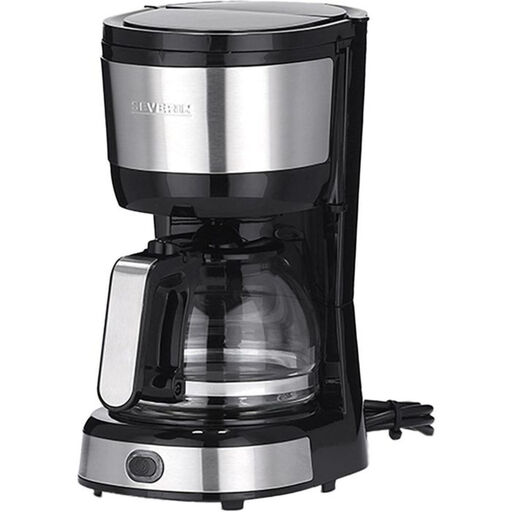
Why this product suits the profile: This filter coffee machine has a 500 ml capacity for up to four cups and takes up relatively little space, measuring 19.5 × 27 × 14 cm.
The capacity is clearly specified, so small households do not need to buy an unnecessarily large carafe and hotplate.
Permanent swing-out filter, drip stop, water-level indicator and automatic switch-off.
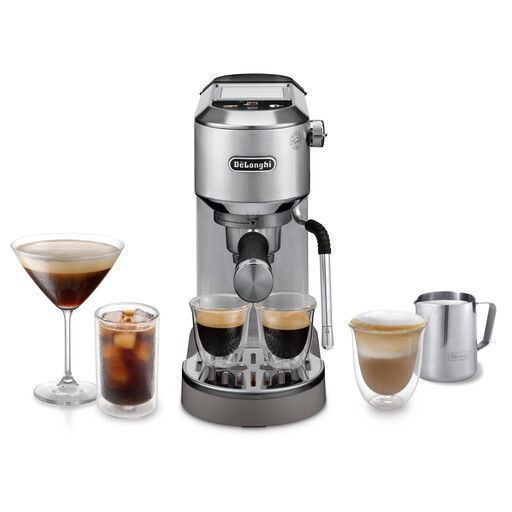
Why this product suits the profile: This model combines a compact width of 14.9 cm with portafilter operation, a steam wand and several drink settings.
The stated 15-bar pump pressure is complemented by a thermoblock, portafilter and manual steam wand, rather than being presented as the sole indicator of quality.
1.1-litre water tank, stated 40-second heat-up time, cold brew function and automatic descaling indicator.
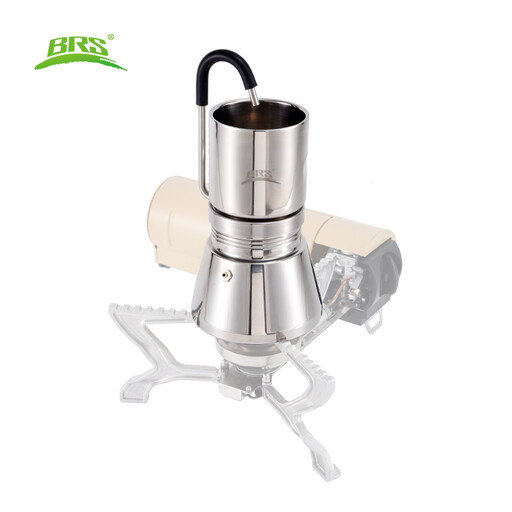
Why this product suits the profile: This moka pot is designed for camping, trekking and outdoor kitchens, with a 250 ml capacity for around two to four servings.
Compatibility with gas hobs, camping stoves, spirit burners, fire pits with a grate and hobs is clearly specified.
Food-grade stainless steel, no plastic parts in the heated area and a tightly closing lid.
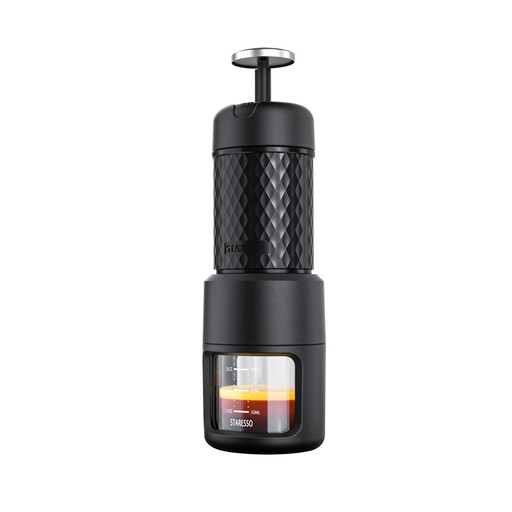
Why this product suits the profile: This manual espresso machine requires no electricity and can be used with capsules or ground coffee.
Its independence from mains electricity is a specific product feature; however, hot water at 85–95 °C and securely locking the modules in place must also be taken into account.
304 stainless-steel inner container, silicone insulation layer and markings for 30, 60 and 90 ml.
We have put together a complete, regularly updated selection of products that fully meet these strict selection criteria and the safety regulations applicable in the EU.
For consistently reliable operation, a simple routine is recommended:
A filter coffee machine uses electricity to heat the water during each brewing cycle; a thermal carafe can make the hotplate unnecessary. A French press or manual portable espresso machine does not use electricity itself, although hot water must be provided separately.
For one person, a compact filter coffee machine holding around 500 ml or a 350 ml French press is often sufficient. If you prefer espresso and milk-based drinks, you can choose a slim portafilter machine with a water tank of around one litre. The right size depends on whether you plan to prepare several drinks one after another.
Its service life depends on the design, water quality, frequency of use and maintenance. Regular descaling, observing the fill limits and storing removable parts in a dry place can reduce common causes of wear. With an espresso machine, seals, the portafilter and steam wand are subject to more wear than those of a simple coffee press.
A coffee press or moka pot requires no electricity to operate and uses loose ground coffee. Depending on the design, a filter coffee machine also requires paper filters. Capsule and pod systems can have higher consumable costs because of their individually portioned packaging. So do not compare the appliance price alone: also consider the type of coffee, filters, descaler and the amount you prepare each day.