
Lieferung heute & morgen

Qualitätsgarantie

Willkommens-Angebote freischalten: KOSTENLOSE Lieferung | Bis zu 80 % RABATT | Kostenlose 30-Tage-JoyPlus-Testphase
App herunterladen
A coffee machine should fit seamlessly into your daily routine—whether you need several cups of filter coffee in the morning, an espresso after lunch or cappuccinos for several people. The market ranges from classic filter coffee makers to fully automatic coffee machines that grind beans and prepare milk-based drinks.
However, unnecessary costs often arise when marketing claims are not compared with actual requirements. The following criteria will help you choose the right coffee machine for Germany.
A specification such as 1.2 litres refers to the capacity of the water tank or carafe. The actual number of cups depends on cup size. Depending on the manufacturer’s specifications, a 1.2-litre coffee machine may produce around 10 to 15 smaller cups—fewer if larger mugs are used.
For a one- or two-person household, a large tank may take up more counter space than necessary. Families and offices, on the other hand, can benefit from capacities of 1.0 to 1.5 litres when several people drink coffee one after another.
A coffee machine with automatic shut-off reduces the risk of the appliance remaining switched on unnecessarily. It does not replace cleaning, however. Depending on the design, the filter holder, carafe, drip tray and milk system require regular care.
With a fully automatic coffee machine, the brewing unit, grinder, milk lines and descaling programmes also need attention. A capsule machine is convenient for everyday preparation, but it generates used capsules and ties users to a specific capsule system.
A high wattage does not automatically speed up the entire brewing process, nor does it guarantee a particular flavour. With filter coffee, factors such as the combination of water temperature, brewing time, filter size and even water distribution are decisive. Features such as an aroma system should therefore be assessed alongside ease of use, cleaning requirements and capacity.
The type of machine should match your preferred drinks:
If you regularly prepare cappuccino and latte macchiato, distinguish between a manual steam wand, a separate milk frother and an integrated milk system. An automatic milk system eliminates individual preparation steps, but requires consistent cleaning after use.
A coffee machine with a glass carafe makes the fill level visible and is often positioned on a hotplate. The carafe should sit securely on the plate; a drip-stop function is also important if you want to pour coffee while brewing is still in progress.
A thermal carafe does not require a permanently heated plate. You should, however, check how easy the lid and spout are to clean. Measure the available space before ordering: in addition to width and depth, height is also important for fully automatic coffee machines if the bean hopper is filled from above.
For everyday use, removable filter holders, dishwasher-safe components and easily accessible water tanks are particularly helpful. In areas of Germany with hard water, regular descaling can be especially important. The instructions in the relevant user manual and the local water hardness are the decisive factors.
Pay attention to:
Hot carafes, steam and coffee outlets can cause burns. The appliance should stand on a stable, dry and heat-resistant surface. Unplug it before cleaning.
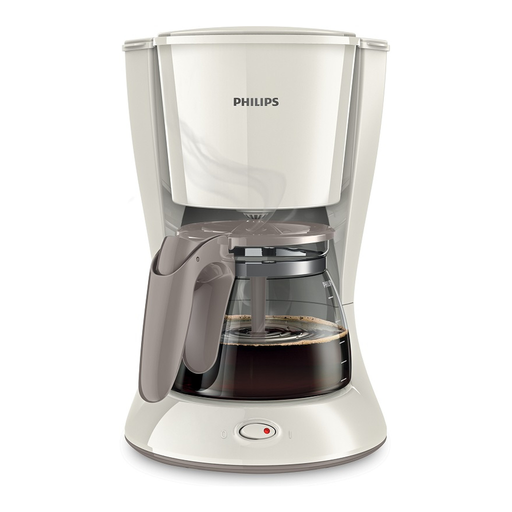
Why it is a good fit: With its 1.2-litre glass carafe, this filter coffee maker is ideal for households that want to prepare several cups of ground coffee with minimal effort.
The capacity is clearly specified. Aroma Swirl, drip-stop functionality and a 30-minute automatic shut-off are concrete, verifiable features.
Dishwasher-safe components, an LED-illuminated switch and a visible water-level indicator.
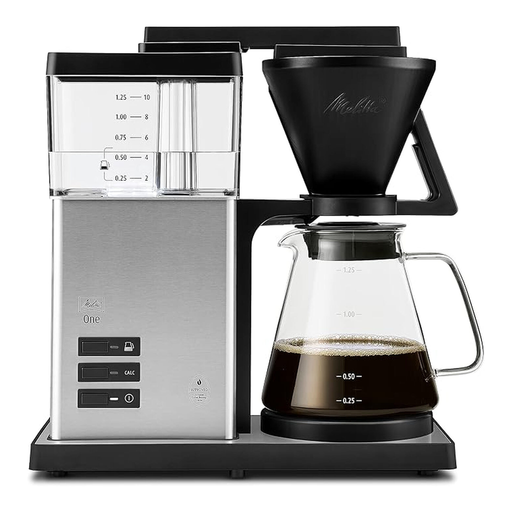
Why it is a good fit: Two brewing modes and an adjustable keep-warm period appeal to households that prepare both smaller quantities and up to 10 cups.
The programmes are tailored to specific usage scenarios. An integrated descaling programme supports predictable maintenance.
1x4 filter size, 1,525 watts, automatic shut-off and keep-warm settings of 0, 30 or 60 minutes.
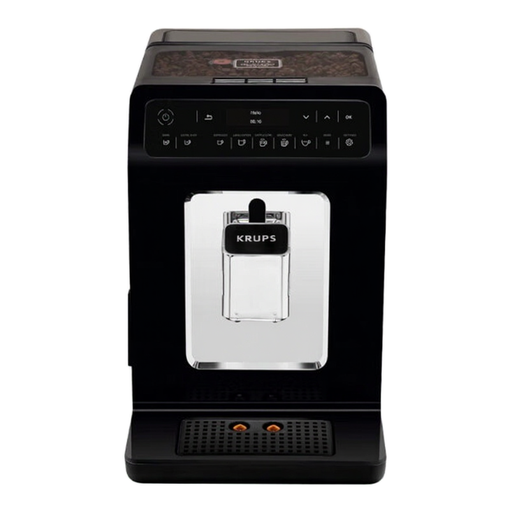
Why it is a good fit: This fully automatic coffee machine is designed for users who want to combine bean grinding, espresso and milk-based drinks in a single appliance.
The beverage selection, tank capacity and milk system are documented in specific terms. Automatic cleaning reduces some manual steps, but does not replace the recommended care routine.
11 coffee specialities, three tea programmes, a 2.3-litre water tank and one-touch cappuccino for up to two cups.
We have put together an up-to-date selection of products that meet these criteria and the applicable safety requirements for Germany.
For two people, a tank with a capacity of around 0.8 to 1.2 litres is often sufficient. The key consideration is whether you are preparing individual cups or a full carafe in the morning. Families and offices may benefit from 1.2 to 1.5 litres. Always compare the manufacturer’s cup specifications with the size of your own mugs.
That depends on coffee prices, consumption, maintenance and the initial purchase cost. Filter coffee generally uses affordable ground coffee and paper filters. Capsules incur ongoing costs associated with the relevant system. A fully automatic machine requires beans, a water filter and cleaning or descaling products, but offers several beverages from one appliance.
There is no universal fixed lifespan. It depends on the type of machine, usage intensity, water hardness and maintenance. Regular descaling, emptying the drip tray and coffee-grounds container, and cleaning the machine according to the instructions can help maintain reliable operation. With a milk system, cleaning should be scheduled after every use.