
Lieferung heute & morgen

Qualitätsgarantie

Willkommens-Angebote freischalten: KOSTENLOSE Lieferung | Bis zu 80 % RABATT | Kostenlose 30-Tage-JoyPlus-Testphase
App herunterladen
Freshly ground coffee made just before brewing sounds appealing, but not every coffee machine with a grinder is suitable for every household. Families need different capacities from occasional coffee drinkers, while espresso enthusiasts should pay attention to grind size, the milk system and manual control. If you focus only on design, pressure figures or the number of drink programmes, you may overlook important ongoing costs and maintenance requirements.
A finely adjustable grinder can make it easier to adapt to different beans. However, what matters is whether the settings suit your chosen brewing method. A filter coffee machine with a grinder typically uses coarser coffee grounds than an espresso machine. For espresso, dosage, tamping pressure and water temperature are also important.
A conical burr grinder made from stainless steel or another hard-wearing material is a practical option for home use. Also check whether the grinding area can be cleaned and whether the manufacturer specifies an exact number of grind settings.
With an espresso machine with a grinder, pump pressure is just one part of the system. Figures such as 15 or 20 bar generally describe the pump’s possible maximum pressure, not necessarily the pressure applied to the coffee grounds throughout the entire extraction. When choosing a machine, you should therefore also consider pre-infusion, temperature control, portafilter size and adjustment options.
With a fully automatic coffee machine with a grinder, automatic dosing, the brewing unit, drink selection and cleaning programmes are more important. A higher pressure figure alone says little about the result in the cup.
A fully automatic coffee machine with a milk frother can prepare cappuccinos or lattes conveniently. However, milk residue must be removed after every use or flushed out using the designated cleaning programme. Removable milk containers and dishwasher-safe components can reduce the amount of work involved.
Before buying, check whether the milk container can be stored in the fridge, whether the hoses can be detached and which descaling or cleaning tablets are required. An automatic milk system does not mean that no manual maintenance is needed.
For freshly ground coffee, the grinder should operate as close as possible to the brewing process. With an integrated conical burr grinder, the following points are relevant:
A water tank holding 1.2 to 1.8 litres is sufficient for many couples and small families. If you prepare several milk drinks or rinse the machine frequently, the amount actually available will be lower. A removable tank makes filling and cleaning easier.
Hard tap water can increase maintenance requirements. Programmable water hardness, a water filter and a guided descaling programme are therefore useful features. Use drinking water only and follow the specifications provided by the manufacturer.
Do not measure just the footprint. Also check the height beneath wall cupboards. On some models, the water tank and bean compartment are removed upwards.
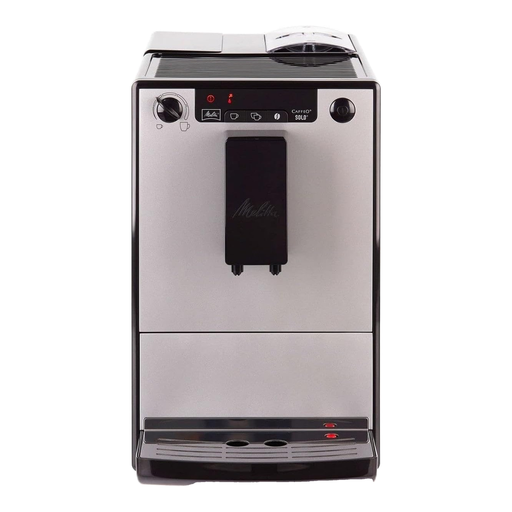
Why this product suits the profile: This compact fully automatic machine focuses on coffee and espresso, making it suitable for households that do not need a wide choice of drinks.
Three intensity levels and a removable water tank make the selection straightforward, without requiring unnecessary specialist programmes.
1.2-litre water tank, height-adjustable spout and automatic cleaning function.

Why this product suits the profile: The combination of a touchscreen, portafilter and automatic milk-frothing function is aimed at users who want to play an active role in preparing their espresso.
The product details highlight dosing control, a conical burr grinder and adjustable milk temperature, rather than promoting pump pressure alone.
2-litre water tank, 250-g bean hopper and up to eight saveable personal settings.
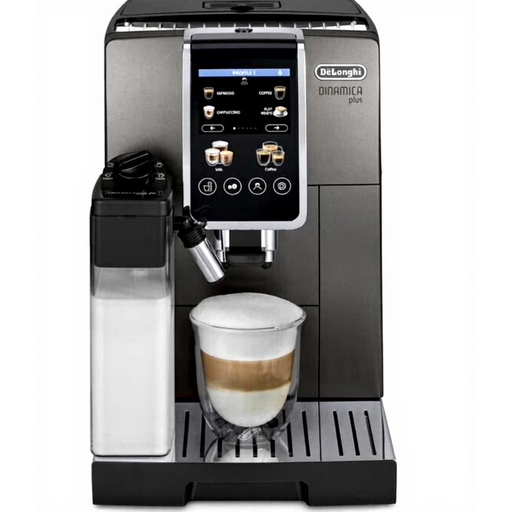
Why this product suits the profile: Up to 24 pre-installed drinks, four user profiles and an automatic milk system cater to different preferences in a shared household.
The milk system has an automatic cleaning function; nevertheless, the milk container and drip tray still need to be checked regularly.
1.8-litre water tank, 300-g bean hopper and two cups prepared at the same time.
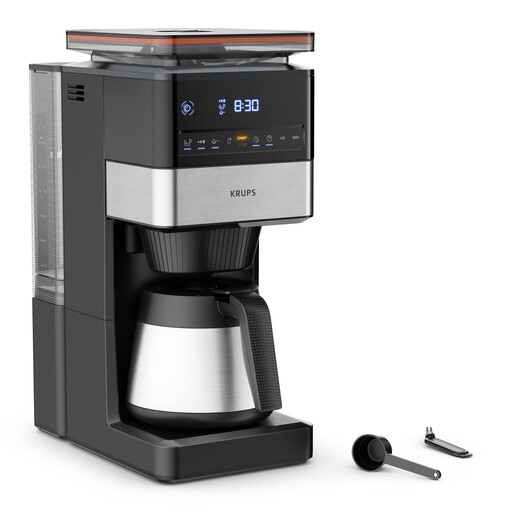
Why this product suits the profile: Anyone who needs several cups of filter coffee gets an alternative to a fully automatic machine designed for larger quantities.
The removable conical grinder and digital control panel make maintenance and adjustment manageable; the machine is clearly designed for filter coffee.
We have put together a complete, regularly updated list of products that fully meet these strict selection criteria and the safety regulations applicable in the EU.
In addition to the purchase price, you will need to budget for beans, filters, descaler and, with some fully automatic machines, cleaning tablets or water filters. A machine with many milk recipes may require more cleaning time than a simple filter machine. You should therefore check:
Before using the machine for the first time, clean the water tank, jug, filter holder and milk components in accordance with the instructions. Electrical components must not be immersed in water. Hot spouts, steam and freshly brewed coffee can cause scalding.
It is particularly worthwhile if you regularly use whole beans and value the convenience of automatic grinding. Compared with a separate grinder, combination machines save counter space. However, if there is a fault, both the grinder and coffee machine are affected.
The service life depends on the amount of use, water hardness, bean quality and maintenance. Regular descaling, emptying the drip trays and cleaning the grinder can help keep the machine in good working order. Any binding information about service life should be checked directly with the manufacturer.
Ongoing costs depend on bean consumption, the number of drinks prepared, the milk system and consumables. A filter machine often requires paper filters, while fully automatic machines may need water filters and cleaning tablets, depending on the model. Do not compare only the purchase price; also consider maintenance intervals and accessory costs.