
Lieferung heute & morgen

Qualitätsgarantie

Willkommens-Angebote freischalten: KOSTENLOSE Lieferung | Bis zu 80 % RABATT | Kostenlose 30-Tage-JoyPlus-Testphase
App herunterladen
The demand for sugar-free soft drinks continues unabated. Consumers are specifically seeking options that offer full flavour without the added sugar and associated calories. In particular, purchasing value packs like the Coca-Cola Zero Sugar 6x1.25L format is ideal for stocking up at home and in the office. However, the choice is not limited to a single product. The Coca-Cola Light, Coca-Cola Zero Sugar, and Coca-Cola Zero Sugar Caffeine Free variants differ in key characteristics that are important for the purchasing decision.
This article analyses the specifications of the three primary sugar-free Coca-Cola variants in the 6x1.25L format to enable an informed choice based on ingredients and product features.
The decision for a specific sugar-free cola variant depends on individual preferences regarding flavour profile and caffeine content. The following technical parameters are crucial for making a rational selection.
The distinctive taste of each product is largely determined by the sweetener blend used. These compositions are designed to approximate the flavour profile of classic, sugar-sweetened cola, but they create subtle differences.
All the products mentioned contain aspartame and therefore a source of phenylalanine.
Caffeine is a key ingredient in many cola drinks and serves as a stimulant. The choice should depend on the time of day and the purpose for which the drink is consumed.
The 6x1.25L format is designed as a Coke Zero value pack for long-term stocking. The disposable PET bottles are convenient for transport and storage. For optimal shelf life and preservation of carbonation, the bottles should be stored in a cool, dry, and odourless place away from direct sunlight. After opening, refrigerated storage and consumption within three days are recommended.
Based on the criteria mentioned above, we present three specific product options.
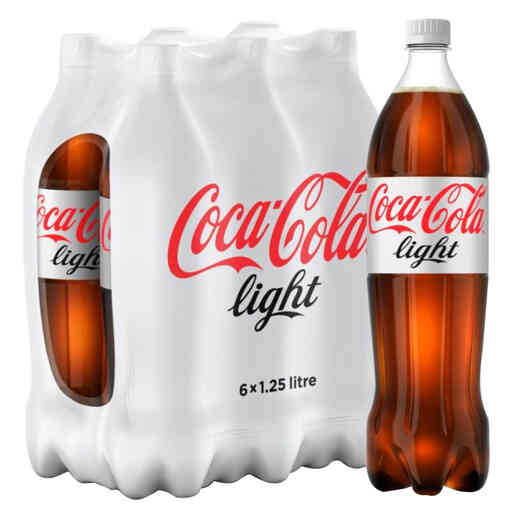
Product Feature Analysis This product is positioned by a specific flavour profile described as "light." It was one of the first widely available zero-calorie cola alternatives on the market.
Advantages:
Who it's for: Consumers looking for a distinctly light and refreshing taste experience who prefer the specific character of Coca-Cola Light over other variants.
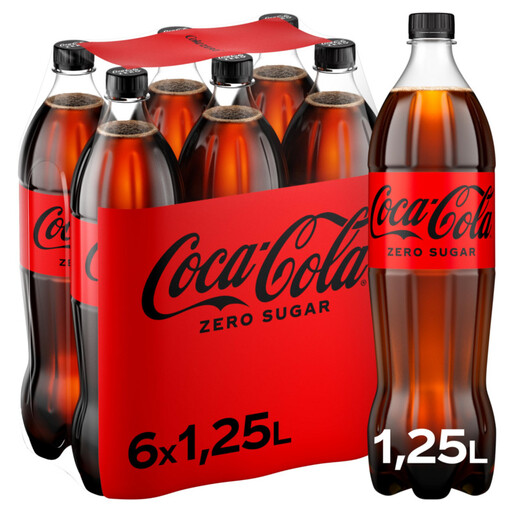
Product Feature Analysis The recipe for Coca-Cola Zero Sugar was developed to replicate the taste of the original sugar-sweetened Coca-Cola as closely as possible, but without sugar and with minimal calorie content (0.2 kcal per 100 ml, according to the manufacturer).
Advantages:
Who it's for: Individuals who want the classic Coca-Cola taste without compromising on sugar and calorie content. A popular choice for daily consumption.
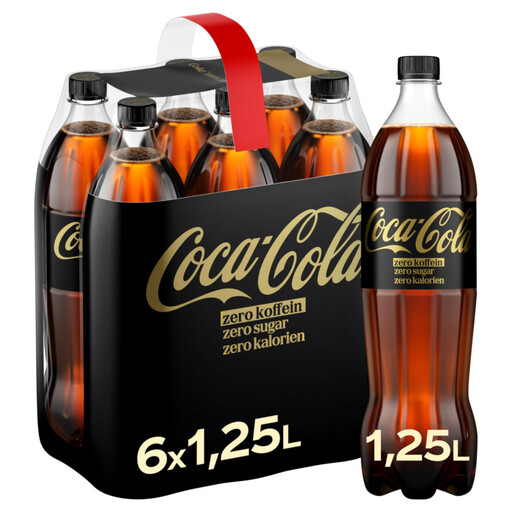
Product Feature Analysis This variant combines the features of Coca-Cola Zero Sugar—the taste modelled on the original, without sugar—with the complete absence of caffeine.
Advantages:
Who it's for: Families, caffeine-sensitive individuals, or for consumption in the evening when a stimulating effect is not desired.
In addition to the featured Coca-Cola variants, a wide spectrum of other sugar-free soft drinks exists. For a more comprehensive overview of available products, including other brands and flavours that can be sourced via a beverage delivery service, we recommend taking a look at the corresponding category.
Discover the entire selection of Cola Soft Drinks here.
1. What is the difference between Coca-Cola Light and Coca-Cola Zero Sugar? The primary difference lies in the sweetener composition and the resulting flavour profile. Coca-Cola Light uses a different sweetener blend that creates a "lighter" taste. Coca-Cola Zero Sugar was developed with a newer recipe that, according to the manufacturer, is closer to the taste of the original, sugar-sweetened Coca-Cola.
2. Do sugar-free cola variants contain calories? According to the manufacturers' nutritional information, Coca-Cola Light and Coca-Cola Zero Sugar (including the caffeine-free version) are classified as zero-calorie or low-calorie. The nutrition table for Coca-Cola Zero Sugar, for example, lists 1 kJ (0.2 kcal) per 100 ml, which is nutritionally negligible.
3. Is the 6x1.25L value pack suitable for long-term storage? Yes, this pack size is explicitly designed for stocking up. With proper storage—cool, dry, and protected from direct light—the product will maintain its quality until the printed best-before date. The PET bottles are robust and designed for this purpose.