
Lieferung heute & morgen

Qualitätsgarantie

Willkommens-Angebote freischalten: KOSTENLOSE Lieferung | Bis zu 80 % RABATT | Kostenlose 30-Tage-JoyPlus-Testphase
App herunterladen
Dry skin, a demanding skincare routine, or the desire for a straightforward way to boost your collagen intake leads many shoppers to collagen products. The range stretches from marine collagen to collagen capsules, collagen tablets, collagen powder, and Korean collagen face masks.
However, the product format alone doesn't tell you much about its suitability. What really matters are the form of delivery, the ingredients, dosage instructions, and how you plan to use it. The selection criteria below will help you cut through the marketing claims and avoid costly mistakes.
A high milligram count on the front of the pack sounds impressive at first. But with dietary supplements, you should always check how much collagen is in each daily serving and whether the pack will last for the recommended usage period. With powders, it's also important to know whether the gram amount refers to the whole product or a single serving.
For face masks, the mention of "collagen" is usually just part of a cosmetic formula. A mask is applied externally and should not be confused with a dietary supplement.
Terms like hydrolysed collagen or 300-Da collagen describe how the ingredient has been processed or its stated molecular size. They are not automatic proof of a specific benefit. So, you should always look at the full ingredients list, the usage instructions, and the manufacturer's details.
Marine collagen contains fish derivatives. Capsules may also contain gelatine, for example in bovine capsule shells. For facial skincare, perfume, alcohol, essential oils, or certain preservatives could be relevant. It's wise to check the allergen information and do a patch test on a small area of skin.
For dietary supplements, the formula may consist of hydrolysed marine collagen peptides. Some products combine collagen with hyaluronic acid, vitamin C, zinc, or aloe vera. These extras shouldn't be assumed to be necessary. If you already take several supplements, check for any overlap.
For an anti-ageing facial skincare product, you might find ingredients like glycerin, niacinamide, ceramides, or hyaluronic acid alongside collagen. For dry skin, a hydrating formula could be appealing; sensitive skin often benefits from a shorter, simpler ingredients list without unnecessary fragrances. This comes down to your individual tolerance and is no substitute for a dermatologist's advice.
A large pack is only good value if you'll use the product regularly and can keep to the best-before or use-by date after opening. With masks, the number of units is especially easy to compare. A set of twelve individual masks offers a different usage plan than a single 35 g mask.
Dietary supplements should only be taken according to the stated daily serving. They are not a replacement for a balanced diet. If you are pregnant, breastfeeding, taking medication, or have allergies, it's advisable to consult a doctor before use.
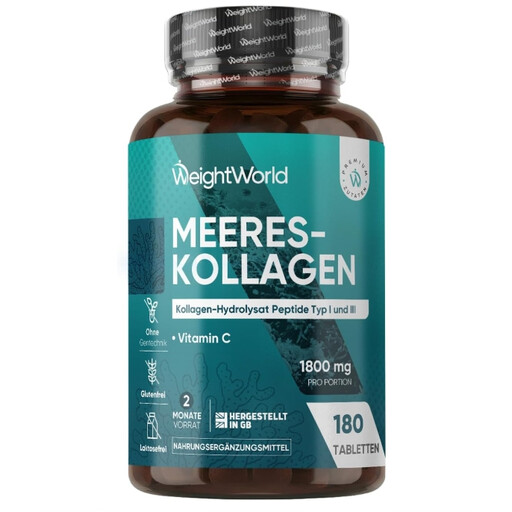
Why this product fits the profile: The tablet form is flavour-neutral and easy to incorporate into a consistent daily routine.
According to the product details, the pack contains 180 tablets; the recommended intake of two tablets per day makes the duration clear. Fish derivatives are listed.
Hydrolysed marine collagen peptides, unflavoured tablets, and a clearly stated tablet count.
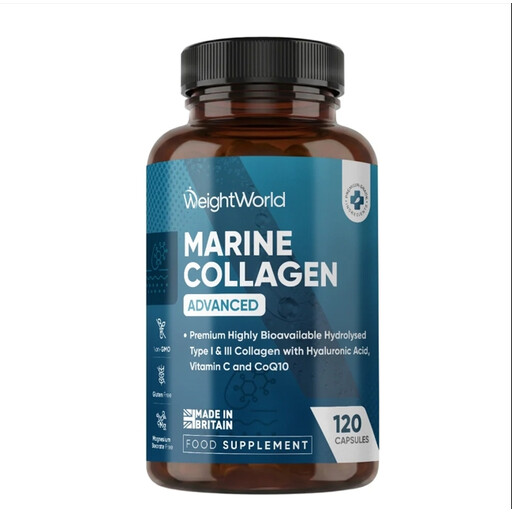
Why this product fits the profile: The formula is aimed at those who want marine collagen plus other declared ingredients in a single capsule.
The ingredients list includes hydrolysed marine collagen peptides, hyaluronic acid, vitamin C, aloe vera, and zinc. A fish allergy must be taken into account.
Capsule format, type I collagen according to the product description, and 120 capsules per pack.
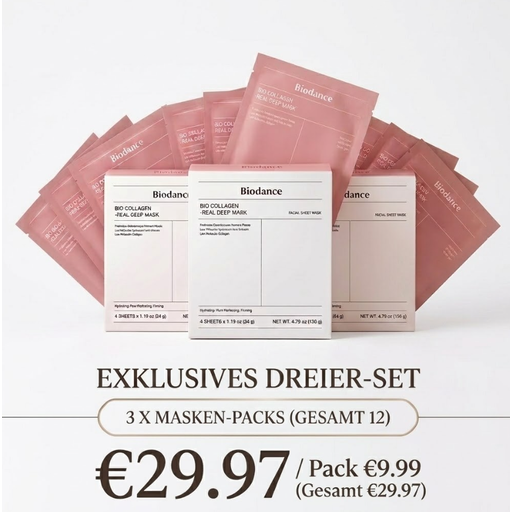
Why this product fits the profile: The set of twelve hydrogel masks is ideal for anyone planning regular external skincare and wanting to keep several single-use treatments in stock.
The total quantity is clearly stated: three packs of four masks each, with 34 g per mask. The recommended wear time is three to four hours or overnight, according to the product description.
Twelve individual masks, hydrogel format, and a formula with collagen extract and hydrolysed hyaluronic acid.
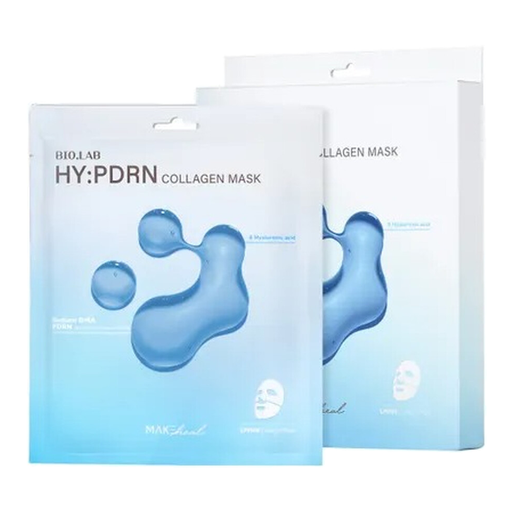
Why this product fits the profile: Five hydrogel masks allow you to use them in a course without having to buy a larger set straight away.
The pack size of five masks is clearly stated. Two variants with different additional ingredients are also available; check the current ingredients list before buying.
Hydrogel texture, 38 g per mask, and depending on the variant, ingredients such as hyaluronic acid, niacinamide, or ceramides.
We've put together a full, regularly updated list of products that fully meet these strict selection criteria and the safety regulations in force in the EU.
That depends on your daily routine and the area you want to target. Tablets and capsules are pre-portioned and flavour-neutral. Powder offers more flexibility in how you prepare it. A collagen face mask is intended exclusively for external skincare. If you're unsure, start by comparing ingredients, allergens, and usage instructions, rather than deciding based on the collagen content alone.
The printed best-before date or the details on the packaging are what matter. Unopened individual masks should be stored in a dry, cool place away from direct sunlight. Once opened, use the mask according to the manufacturer's instructions and do not continue using it if the foil is damaged or contaminated.
Marine collagen is derived from fish and may therefore be unsuitable for anyone with a fish allergy. Dietary supplements should be taken according to the recommended daily serving and are not a substitute for a balanced diet. If you are taking medication, pregnant, breastfeeding, or have existing health concerns, it's a good idea to speak to a doctor.