
Lieferung heute & morgen

Qualitätsgarantie

Willkommens-Angebote freischalten: KOSTENLOSE Lieferung | Bis zu 80 % RABATT | Kostenlose 30-Tage-JoyPlus-Testphase
App herunterladen
Collagen products are available as food supplements, powders, capsules, liquid shots, liquids, creams, face masks and eye patches. The wide range can make comparisons difficult: a high milligram value does not automatically mean that a product suits your everyday routine. Terms such as “marine collagen”, “PDRN collagen” and “Korean collagen skincare” should also be assessed using the full product information.
With collagen food supplements, the first important factor is how much collagen hydrolysate is contained in each daily serving. However, the amount alone does not tell you whether the product is convenient to take or whether the added vitamins and minerals suit your individual needs. A product providing 3,000 mg per serving may be sufficiently straightforward for some shoppers, while others may prefer a different format.
In cosmetics, collagen mainly acts as part of the topical formulation. Claims relating to skin firmness, wrinkles or “regeneration” should therefore not be understood as guaranteed effects. The INCI list, application instructions and skin compatibility are the key considerations.
Marine collagen usually comes from fish ingredients. This may appeal to people who prefer a particular source of raw materials. At the same time, fish is a relevant allergen warning. Shoppers with a fish allergy should check the labelling particularly carefully.
Capsule shells are not always vegetarian or vegan either. For example, WeightWorld Marine Collagen Advance is listed as having a capsule shell made from bovine gelatine. Anyone wishing to avoid animal-derived ingredients must therefore read the complete ingredients list and should not rely solely on the term “marine”.
PDRN collagen generally refers to cosmetic products that combine Sodium DNA, or PDRN, with collagen in one formulation. The term describes an ingredient, but is not general evidence of a particular effect. With creams and masks, humectants such as glycerin or hyaluronic acid, preservatives and possible fragrances are also relevant.
When comparing food supplements, you should check three details:
One example is Doppelherz Active Collagen 3,000 Liquid, which provides 3,000 mg of collagen hydrolysate per stick. According to the product information, it is taken once a day directly from the stick, without additional water.
Check the ingredients list for:
For collagen for skin and joints, the product information is particularly important because formulations focus on different areas. According to the information provided, Doppelherz Collagen 5000 Liquid contains 5,000 mg of collagen hydrolysate and 80 mg of chondroitin sulphate per stick. It also contains vitamin C, vitamin D and manganese, among other ingredients. Food supplements should not be used as a substitute for a varied diet. The recommended daily intake must not be exceeded.
With collagen cream, collagen face masks and collagen eye patches, you should consider the recommended frequency of use, application time and area of the skin. Eye patches are not automatically intended for the entire face. Depending on the product, masks may be used for 20 to 40 minutes or for several hours.
A patch test on a small area of skin is particularly advisable if you have sensitive skin. If redness, stinging or itching occurs, discontinue use. The specific INCI list on the packaging takes precedence, as formulations and labelling may change.
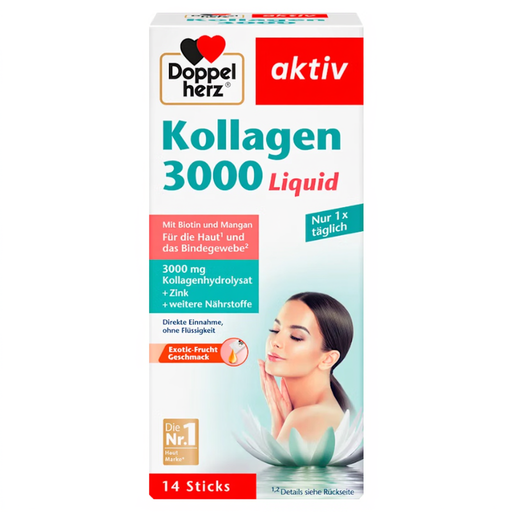
Why this product suits this profile: The 14 liquid sticks are pre-portioned and, according to the product information, can be taken directly without water. This makes getting started easier to manage.
The amount of collagen per stick is clearly stated. This makes it easier to compare the daily serving with other products.
3,000 mg of collagen hydrolysate per stick; according to the product description, gluten-free and lactose-free.
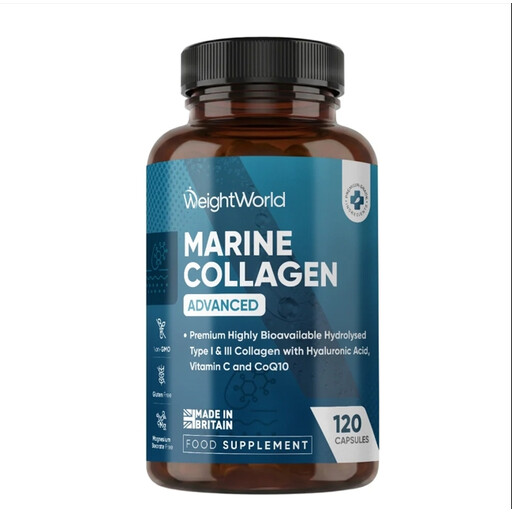
Why this product suits this profile: According to the ingredients information, the capsules combine marine collagen with hyaluronic acid, vitamin C, aloe vera extract and zinc.
The complete ingredients list identifies fish ingredients and a capsule shell made from bovine gelatine. Allergies and dietary preferences can therefore be checked before purchase.
120 capsules; recommended intake according to the product information: two capsules a day.

Why this product suits this profile: The pack contains 30 eye patches with an applicator spatula. This makes the product suitable for a regular, easy-to-plan eye-area skincare routine.
The recommended application time of 20 to 30 minutes is clearly stated. Use remains limited to the delicate eye area.
30 hydrogel patches; according to the INCI list, ingredients include collagen water, peptides, caffeine and hyaluronic acid.
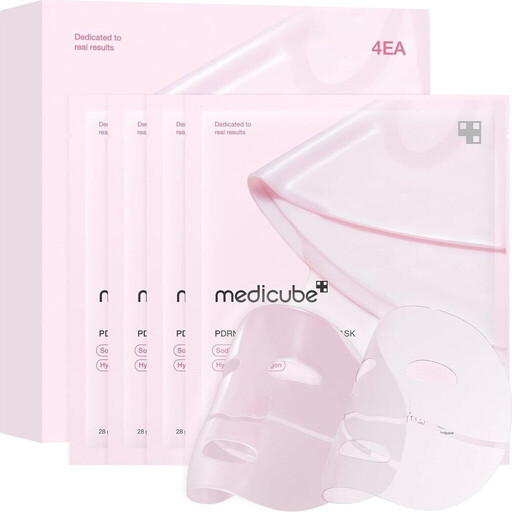
Why this product suits this profile: According to the product description, the Korean hydrogel mask combines Sodium DNA, hydrolysed collagen, niacinamide and ceramides for topical use.
The application is clearly intended for the face, with an application time of 30 to 40 minutes. PDRN is presented as an ingredient rather than a blanket guarantee of a particular effect.
Four individually portioned masks; according to the product information, made in Korea.
We have compiled a complete, regularly updated list of products that fully meet these strict selection criteria and the safety regulations applicable in the EU.
This depends on the type of product and pack size. For food supplements, the daily intake is stated on the label. A pack of 14 liquid sticks lasts 14 days when taking one serving a day, while 120 capsules last 60 days when taking two capsules a day. For cosmetic products, follow the manufacturer’s instructions. With longer-term use, you should regularly review how well the product suits you and whether it is delivering personal benefits.
Collagen capsules are pre-portioned and flavourless, but usually require taking several capsules with water. Collagen powder can be mixed more flexibly into drinks or food and may be more economical for frequent users. However, you also need to consider the measuring spoon, storage and solubility. The right choice therefore depends mainly on your daily routine and intake habits.
Read the allergen labelling and the complete ingredients list. Marine products may contain fish ingredients, while capsules may contain gelatine. If you are pregnant or breastfeeding, have a chronic condition, take medication or are unsure about any ingredients, seek medical advice before taking the product. For cosmetics, a patch test is recommended; products must not be applied to irritated or damaged skin.