
Lieferung heute & morgen

Qualitätsgarantie

Willkommens-Angebote freischalten: KOSTENLOSE Lieferung | Bis zu 80 % RABATT | Kostenlose 30-Tage-JoyPlus-Testphase
App herunterladen
Collagen supplements come in many forms, including marine collagen, powders, capsules, tablets and convenient liquid sticks. The choice may seem straightforward at first, but product names and marketing claims can conceal important differences. It’s not just the amount in milligrams shown on the front that matters: you should also consider the source of the collagen, the recommended daily serving, additional nutrients and potential allergens.
If you’re looking to buy a collagen supplement for your skin, hair, nails, joints or connective tissue, there are three common pitfalls to avoid:
Check the exact source listed and the amount per daily serving. Hydrolysed collagen contains protein in the form of peptides. Comparisons are only useful if you look at the amounts per serving, rather than just per 100 grams.
With marine collagen, look out for the “contains fish” notice. Capsule shells may also be made from bovine gelatine. This means a product containing fish collagen isn’t automatically free from other animal-derived ingredients.
Collagen powder can be easily stirred into drinks or food, but you’ll need to measure out the dose yourself. With collagen capsules and collagen tablets, servings are usually easier to plan, although you may need to take several a day.
Vitamin C contributes to normal collagen formation, according to its authorised EU health claim. That’s why collagen with vitamin C often features in product descriptions. Products may also contain zinc, manganese, vitamin E, vitamin D or biotin. Check the nutrition information table to assess the amount of each.
Collagen with hyaluronic acid combines collagen peptides with another ingredient. However, this shouldn’t be taken as a therapeutic or anti-ageing promise. Food supplements are no substitute for a balanced diet or medical treatment.
Also check for sweeteners, flavourings, acidity regulators and preservatives. If you prefer a shorter ingredients list, you’re more likely to find one in products with few ingredients, such as pure marine collagen capsules or powder.
The right form for you depends on your routine:
Before buying, check the storage instructions, best-before date and packaging information. If you’re pregnant or breastfeeding, have a chronic condition or take medication regularly, speak to a doctor, pharmacist or other qualified healthcare professional before taking a supplement.
The recommendations below group specific products by form, ingredients and intended use. The details are based on the product descriptions and don’t replace checking the current label.
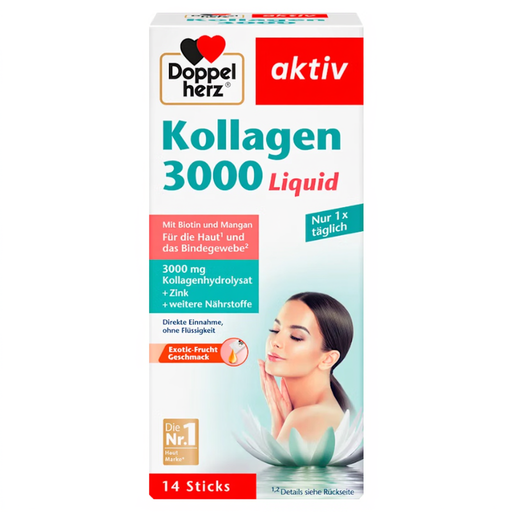
Why this product suits this profile: The 14 liquid sticks are pre-portioned and, according to the product information, are taken once a day straight from the stick. No water is needed.
The stated 3,000 mg of collagen hydrolysate per stick makes the daily serving clear. Ingredients and warnings are also listed.
Take straight from the stick without water; includes biotin, zinc and manganese according to the product description; stated to be gluten- and lactose-free.
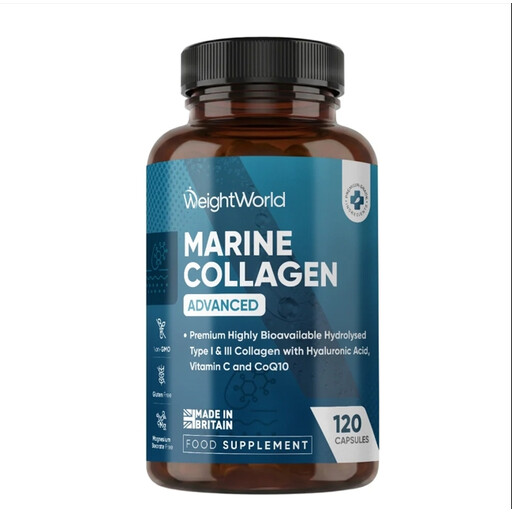
Why this product suits this profile: The capsules contain hydrolysed type I marine collagen peptides, along with hyaluronic acid, vitamin C, aloe vera extract and zinc.
The product description specifies the source of the collagen, its type I designation and the other ingredients. Note the fish allergen warning and the bovine gelatine capsule shell.
Combines marine collagen, hyaluronic acid and vitamin C; 120 capsules; no strong taste.
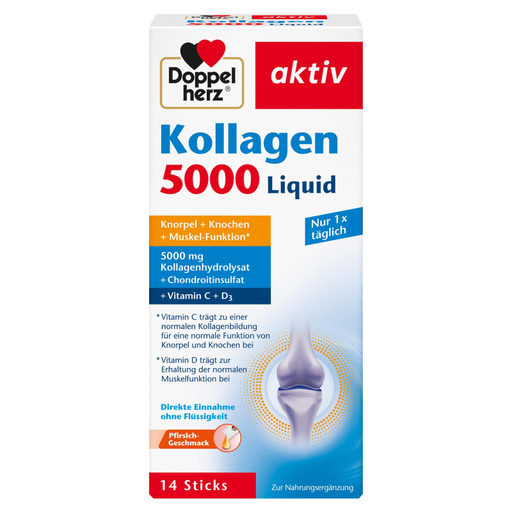
Why this product suits this profile: According to the product information, each stick contains 5,000 mg of collagen hydrolysate and 80 mg of chondroitin sulphate. Take once a day without water.
The product details clearly state the daily serving and additional ingredients. The high vitamin D content of 20 µg per stick means it’s particularly important to check the warnings.
5,000 mg of collagen hydrolysate per stick; chondroitin sulphate, vitamins C, D and E, plus manganese; 14 pre-portioned sticks.
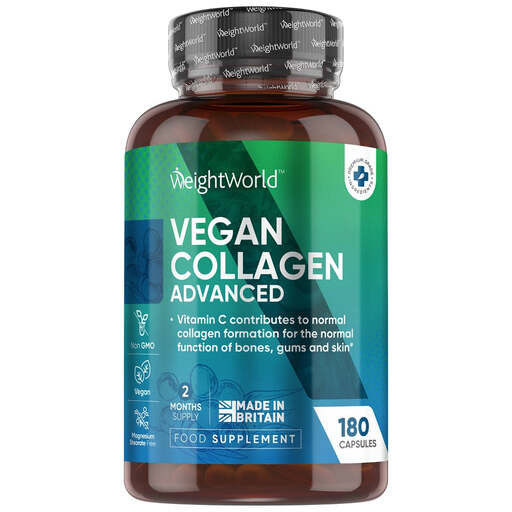
Why this product suits this profile: The formula uses plant-based amino acids alongside vitamin C, hyaluronic acid, vitamin E and zinc. The capsule shell is made from HPMC, according to the product description.
The ingredients list clarifies what the product name means: it contains no animal collagen, but instead uses plant-based amino acids as building blocks for the body’s own collagen production.
Plant-based formula; 180 capsules; stated to be free from fish, dairy, soya and gluten in the product description.
We’ve put together a complete, regularly updated list of products that meet these strict selection criteria and fully comply with EU safety regulations.
There’s no single recommended duration that applies to every product. Check the label and follow the recommended daily serving. If you’re taking a supplement long term, consider any additional nutrients such as vitamin D or zinc, so you don’t accidentally combine several products containing the same ingredients.
It depends on your routine and how you prefer to manage your dose. Powder is flexible and can be mixed into drinks or food. Capsules and tablets have no strong taste and are easy to portion. Liquid sticks are a good option if you prefer taking a supplement without water. In every case, the amount per daily serving remains the key point of comparison.
No. Marine collagen comes from fish, so it isn’t vegan. Vegan collagen usually refers to a plant-based formula made with amino acids and additional nutrients. If you want to avoid animal-derived ingredients, check the full ingredients list, capsule shell and allergen information.