
Lieferung heute & morgen

Qualitätsgarantie

Willkommens-Angebote freischalten: KOSTENLOSE Lieferung | Bis zu 80 % RABATT | Kostenlose 30-Tage-JoyPlus-Testphase
App herunterladen
A collagen face mask can be a simple addition to your daily skincare routine. It is usually available as a sheet mask or hydrogel face mask and often contains humectants such as glycerine or hyaluronic acid. The resulting skincare effect can temporarily leave the skin looking smoother, softer and well moisturised.
However, choosing the right product is not always easy. Terms such as “lifting”, “firming” or “anti-ageing” often describe the desired cosmetic effect, but they are no substitute for looking at the material, ingredients and instructions for use. The following guide will help you find a suitable Collagen Mask for your individual needs.
Collagen in a face mask is generally a cosmetic ingredient. Hydrolysed collagen or soluble collagen can contribute to the formulation and leave the skin’s surface feeling pleasantly cared for. However, this should not be taken to mean that the product will provide a lasting lifting effect or reduce wrinkles.
If you are looking for a face mask for wrinkles, you should also consider the rest of the formulation. Humectants, skin-conditioning lipids, panthenol, ceramides or peptides may be more relevant to your choice than the name on the front of the packaging.
A rich essence is of little benefit if the mask creases around the nose, chin or cheeks and slips out of place quickly. With a Korean face mask or Japanese face mask in particular, the cut, material thickness and adhesion are all important.
A sheet mask with hyaluronic acid should lie as evenly as possible against the skin. With a hydrogel product, it is also important that the material remains flexible and does not start lifting at the edges after a short time.
A pack containing numerous individual masks can be practical for regular use. Before buying, however, check the shelf life, closure and individual packaging. With multipacks, the remaining masks must be protected from heat, direct sunlight and drying out. Individual sachets are hygienic and easy to use, but may result in higher packaging costs per application.
For dry skin, glycerine, hyaluronic acid, betaine, panthenol or squalane are often useful ingredients. If you want to care for more mature or tired-looking skin, you can also look for peptides, adenosine or different forms of collagen. Suitability depends on your individual skin; cosmetic ingredients are not a substitute for dermatological treatment.
For sensitive skin, it is worth checking for fragrance, essential oils, preservatives and known allergens. Carrying out a patch test on a small area of skin beforehand is advisable, particularly when trying a new Korean or Japanese face mask. The current INCI list on the packaging is always decisive, as formulations may change.
Sheet masks made from cotton, Tencel or microfibre differ in thickness, stretch and adhesion. A thin material can mould closely to the face, while a thicker sheet can usually absorb more essence. The fit should suit the shape of your face and the cut-outs for the eyes, nose and mouth.
Depending on the product, the recommended application time is often between 10 and 20 minutes. A mask should not be allowed to dry completely, as this can feel uncomfortable. With the KOCOSTAR Hydrogel Chin Pack Face Mask, for example, the stated application time is around 25 minutes; the product is specially designed for the chin and jawline area.
A firming face mask should not be used on open areas, eczema or visibly irritated skin. Stop using it if you experience burning, redness, swelling or itching. If symptoms persist, seek medical advice.
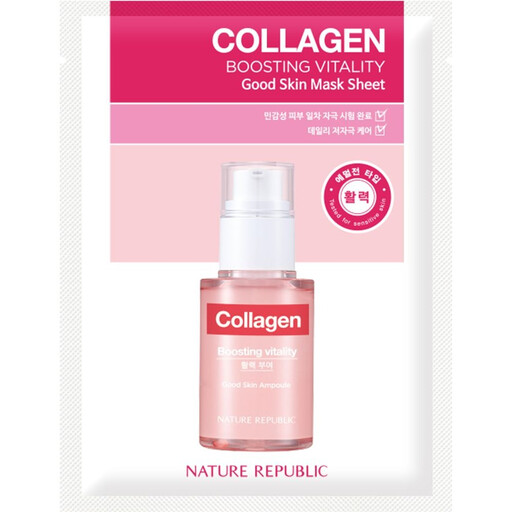
Why this product suits the profile: A straightforward sheet mask for beginners, with collagen extract, glycerine and panthenol. The stated application time is 10 to 20 minutes.
The straightforward formulation makes it easier to focus on the key ingredients instead of relying solely on a lifting claim.
Collagen extract, glycerine and panthenol; soft sheet for full-face application.
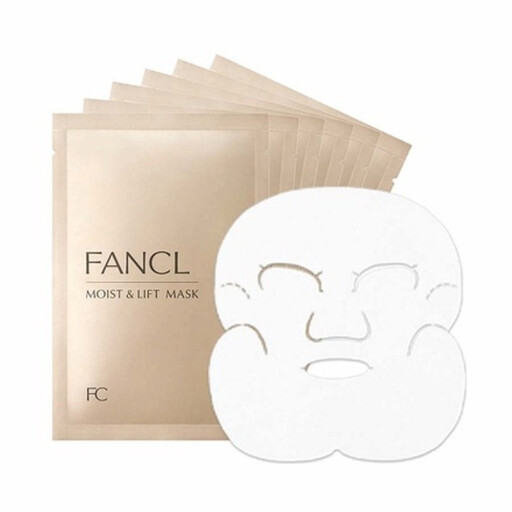
Why this product suits the profile: According to the product information, this Japanese sheet mask combines hydrolysed collagen, hydrolysed hyaluronic acid and a special mask design for a close fit.
The product information specifies particular forms of collagen and hyaluronic acid, as well as the recommended routine after cleansing, toner and serum.
Japanese origin according to the product information; six individual masks; collagen and hyaluronic acid in the INCI list.
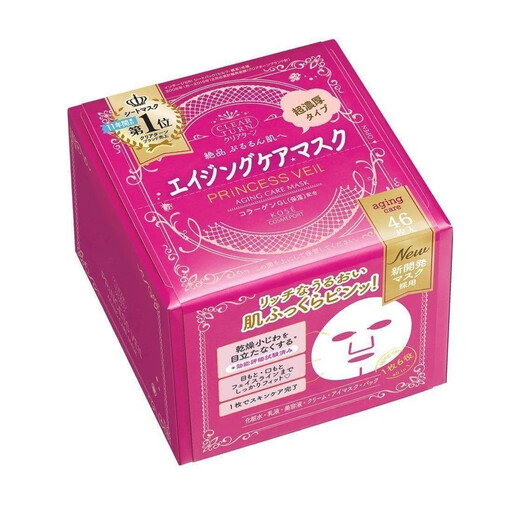
Why this product suits the profile: The large pack contains 46 masks and is designed for frequent use. According to the product information, each mask is worn for around one minute.
The short application time may be more convenient for frequent users than masks requiring 15 to 20 minutes. The pack must be closed securely.
46 masks; collagen, squalane and hyaluronate according to the stated INCI list; compact skincare routine.
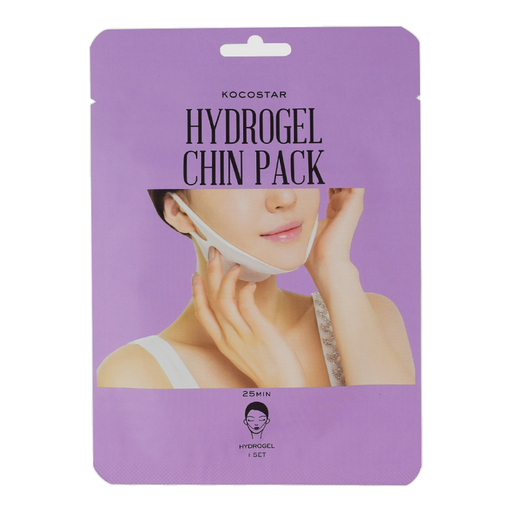
Why this product suits the profile: The elastic hydrogel patch is designed for the chin and jawline, making it suitable for women and men who do not need a full-face mask.
The specialised shape prevents a large sheet mask from extending beyond the jawline or adhering poorly in this area.
Hydrogel material; targeted application; collagen, glycerine and niacinamide according to the stated ingredients list.
We have put together a complete, regularly updated list of products that fully meet these strict selection criteria and the safety regulations applicable in the EU.
This depends on the product’s instructions and how well your skin tolerates it. Many sheet masks are intended for use once or several times a week. For dry skin, regular but moderate use may be beneficial. A mask should not be reused.
A collagen sheet mask is usually made from cotton, Tencel or microfibre and is available in a wide range of shapes and price points. A hydrogel face mask often moulds more flexibly to the skin and may be suitable for targeting a specific area. The key factors are fit, ingredients, application time and personal tolerance.
A cosmetic face mask can temporarily moisturise the skin, helping to create a smoother appearance. This does not mean it will permanently reduce wrinkles or provide medical treatment. If you have specific skin concerns or persistent reactions, dermatological advice is recommended.