
Lieferung heute & morgen

Qualitätsgarantie

Willkommens-Angebote freischalten: KOSTENLOSE Lieferung | Bis zu 80 % RABATT | Kostenlose 30-Tage-JoyPlus-Testphase
App herunterladen
Dry, dull or less elastic-looking skin leads many consumers to collagen face masks. The selection ranges from classic sheet masks and hydrogel face masks to overnight products. However, the word “collagen” on the packaging is not the only thing that matters. Application, formulation, comfort and pack size determine whether a mask fits sensibly into your skincare routine.
Collagen in a face mask is a cosmetic ingredient. Depending on the formulation, it may primarily contribute to skincare and a pleasant skin feel. Claims such as “rejuvenates”, “removes wrinkles” or “repairs the skin” should therefore not be accepted without question. A firming face mask may temporarily make the skin look smoother or well moisturised, but it is not a substitute for dermatological treatment.
A Korean face mask is often worn for a particularly long time. For example, the Biodance Bio-Collagen Real Deep Mask is designed to be worn for three to four hours or overnight. Other products remain on the skin for just 10 to 20 minutes. A longer application time is therefore not a general indication of quality. If you are prone to sensitive skin, follow the manufacturer’s instructions and carry out a patch test on a small area of skin before using the product for the first time.
A pack of 10 or 21 sheet masks may cost less per application than a set of four. However, you should also consider the product’s shelf life, individual packaging and how often you are likely to use it. Opened sachets should not be stored and used again. If you only use masks occasionally, a smaller set may be more practical.
Looking at the INCI list is more important than looking at the front of the packaging. Glycerin, hyaluronic acid, panthenol and ceramides are often used for moisturising care. A hyaluronic acid face mask may therefore be particularly suitable for skin that feels dry or tight.
Niacinamide is often used in formulations designed to promote a more even-looking complexion. If you have sensitive skin, check the full ingredients list for fragrances, essential oils or any substances you personally know you cannot tolerate. A “brightening face mask” should only be marketed cosmetically with claims relating to a radiant appearance or a more even-looking complexion; it does not constitute medical treatment for pigmentation disorders.
Hydrogel masks usually sit closely against the skin and often contain a larger amount of serum. A hydrogel face mask can therefore be comfortable while sitting or relaxing, whereas a lightweight sheet mask may be more practical for short applications during the day.
Look out for:
Do not compare just the retail price; compare the price per mask. A set of four is suitable for occasional facial care, while 10 or more individual masks may be more appealing for regular use. For products with a long application time, you should also check whether using them overnight or for several hours is realistic for you.
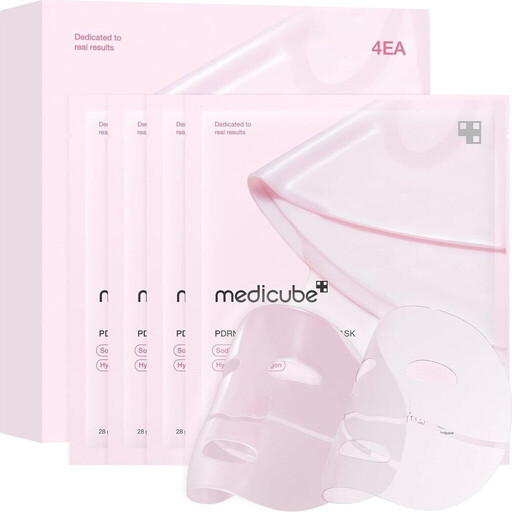
Why this product suits this profile: The set of four offers an accessible introduction to hydrogel skincare. The 30–40-minute application time stated by the supplier is well suited to a planned evening routine.
The product description specifies a clearly defined wear time and an INCI list containing glycerin, hydrolysed collagen, niacinamide and ceramide NP. The actual ingredients list should be checked on the packaging before purchase.
Four individually packaged hydrogel masks; the stated ingredients include humectants, collagen, niacinamide and ceramide NP.
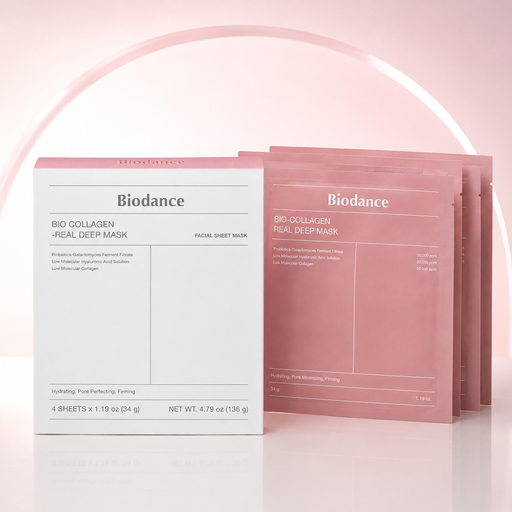
Why this product suits this profile: This hydrogel mask is designed for longer use, from three to four hours or overnight. It is well suited to a consistent evening routine and to users who prefer to plan their application time carefully.
The unusually long wear time is clearly stated, so this mask should not be confused with a conventional 10-minute sheet mask. A patch test is recommended according to the product information.
Four individual masks containing 34 g each; the stated formulation includes collagen extract, glycerin, niacinamide and hydrolysed hyaluronic acid, among other ingredients.
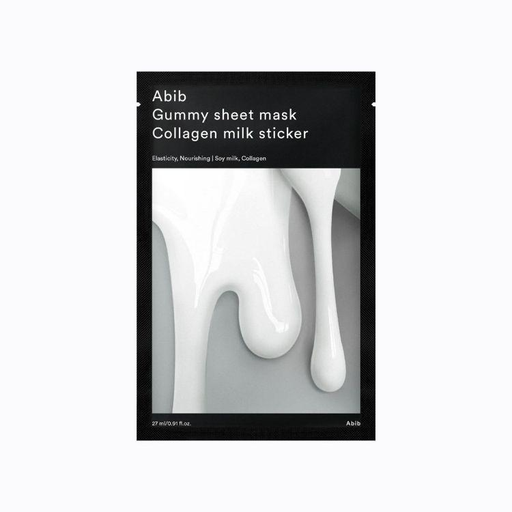
Why this product suits this profile: Ten individual masks, each containing 27 ml of serum, are ideal for users who want to incorporate collagen skincare into their weekly routine regularly.
The pack size and recommended application time of 10–20 minutes are clearly stated. This makes it easier to plan your usage than with products that do not specify an exact quantity or duration.
10 sheet masks containing 27 ml each; the stated formulation includes glycerin, collagen extract, panthenol, niacinamide and peptides, among other ingredients.
We have put together a complete, regularly updated list of products that fully meet these strict selection criteria and the safety regulations applicable in the EU.
Stop using the product if you experience burning, redness, itching or swelling. Masks should not be applied to damaged, inflamed or otherwise irritated skin. If symptoms persist, seeking medical advice is recommended.
This depends on the formulation and the manufacturer’s instructions. Many sheet masks are used once or several times a week. Do not exceed the frequency stated on the packaging. If you are new to using face masks, once a week is enough to monitor your skin’s tolerance.
The skin feel after using a hydrating mask may last for different lengths of time depending on your skin’s condition, your surroundings and the skincare you apply afterwards. A mask provides cosmetic skincare, but it does not replace a daily moisturiser or sun protection. Consistent skincare that your skin tolerates well is what matters most.
There is no blanket answer to this. Check the INCI list for fragrances and any personal allergens you know you react to, and carry out a patch test before using the mask fully for the first time. If your skin is severely irritated or damaged, you should avoid using a face mask.