
Lieferung heute & morgen

Qualitätsgarantie

Willkommens-Angebote freischalten: KOSTENLOSE Lieferung | Bis zu 80 % RABATT | Kostenlose 30-Tage-JoyPlus-Testphase
App herunterladen
By a Joybuy Product Recommendation Officer
The fascination with detailed model cars unites collectors, automotive enthusiasts, and anyone searching for a high-quality gift for a car lover. However, the market for collectible model cars is crowded and confusing. Without a keen eye, it's easy to invest in a model that falls short of your expectations for quality and detail. Certain marketing buzzwords often hide flaws that diminish the product's value and your enjoyment of it.
This guide will walk you through the most common pitfalls and explain the crucial factors you should check before making a purchase. This will ensure your next collectible car is a worthy addition to your display case or a perfect gift.
Many buyers are drawn in by appealing product photos and generic descriptions, overlooking critical details that lead to disappointment later on.
To avoid the traps mentioned above, it's important to focus on objective, verifiable criteria. The following three parameters are crucial for the quality and value of a model car.
The scale indicates the size ratio of the model to the original vehicle. It determines not only the physical size but also the potential level of detail. Common scales include:
Before buying, check which scale fits your available space and your existing collectible cars.
A high-quality die-cast car is distinguished by a high metal content. Pay attention to the exact material composition, which is often listed as zinc alloy for the body and ABS plastic for attachments and the interior.
You can recognise good craftsmanship by the following features:
A model's functionality significantly contributes to its collector's value. The most important features include:
Based on the quality criteria mentioned, we have put together a selection of models suitable for different profiles.

Why This Fits Their Persona: This model of an iconic classic is ideal for getting started. The 1:36 scale is compact but large enough for visible details. It's an excellent choice as a high-quality gift for car lovers, cutting a fine figure both in a display case and as a desk decoration.
The die-cast metal body provides a robust and premium feel, avoiding the disappointment of an all-plastic model. The clearly defined 1:36 scale prevents any surprises regarding its size.
Features opening doors for a realistic touch. The pull-back action adds extra play value without compromising its appearance as a collectible.

Why This Fits Their Persona: For collectors who value realism and interaction. This model not only offers opening doors but also an opening bonnet and interchangeable parts, providing deeper insight into its construction and increasing its collector's value.
The combination of die-cast metal and durable plastic parts is clearly stated and designed for longevity. The focus is on a high level of detail in both the interior and exterior, which goes beyond a simple material specification.
The DIY aspect with interchangeable parts offers a unique feature. The high-fidelity detail of the engine bay and interior sets it apart from simpler models.
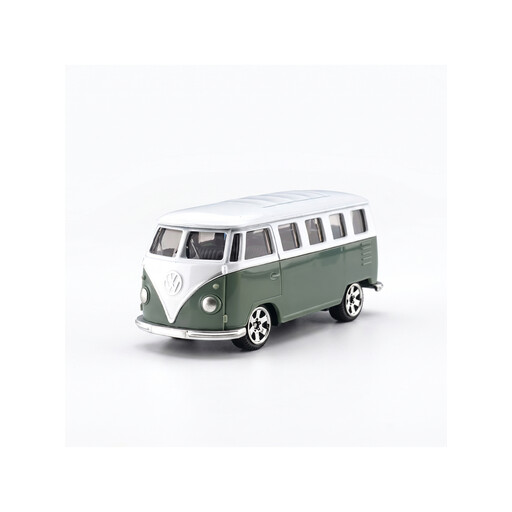
Why This Fits Their Persona: This model of the VW T1 is a tribute to an automotive legend. It appeals to collectors who focus on vehicles with high recognition value and cultural significance. The compact 1:56 scale makes it an ideal piece for a themed collection.
As an officially licensed Volkswagen model, it guarantees an authentic reproduction of the original. The material combination of zinc alloy, ABS, and rubber is designed for durability, even at a compact size.
The model features shock absorption, a rare feature in this size class. Its compact and handy form makes it versatile, suitable for everything from a display case to a toy.
We've curated a complete, up-to-date list of products that fully meet these strict selection criteria and German safety regulations.
The scale indicates the size ratio of the model to the original vehicle. For example, a scale of 1:36 means the model is 36 times smaller than the real car. The smaller the second number, the larger the model car.
To clean die-cast cars, it is recommended to use a dry, soft cloth. For heavier dirt, the cloth can be dampened with a very small amount of rubbing alcohol. Water should be avoided as it can cause corrosion on metal parts or damage decals and prints.
Not necessarily. The collectible value of a model depends on many factors, including rarity, condition, level of detail, and demand for the specific vehicle type. A well-made model of an iconic car can be more stable in value than an artificially limited edition of a lesser-known vehicle. Focus on quality and authenticity rather than just the price.