
Lieferung heute & morgen

Qualitätsgarantie

Willkommens-Angebote freischalten: KOSTENLOSE Lieferung | Bis zu 80 % RABATT | Kostenlose 30-Tage-JoyPlus-Testphase
App herunterladen
By the Joybuy Product Recommendation Officer, 28 August 2026
An even complexion and a neutral hair color are often the goal, but achieving them can be complicated. Color correcting products promise a quick fix for redness, a dull skin tone, or unwanted brassy tones in your hair. However, vague product claims and poor choices often lead to unsatisfactory results. Before you make a purchase, it's crucial to understand the most common pitfalls and which product features truly matter.
Many users invest in products that don't suit their specific needs. Two common misconceptions are particularly likely to lead to disappointment:
To avoid these mistakes, you should base your selection on three objective criteria. These will help you find a product that is precisely tailored to your needs.
The foundation of all color correction is color theory. Colors that are opposite each other on the color wheel cancel each other out. For cosmetic applications, this means:
The product's form is crucial for the application experience and the final result.
It is fundamental to distinguish between products for the skin and for the hair. While green concealers neutralize redness on the face, bleached or gray hair requires a product with violet pigments, like a purple shampoo, to correct unwanted warm tones. The mechanisms of action and ingredients are completely different and are not interchangeable.
Based on these objective criteria, we have identified products that are particularly well-suited for specific user profiles and needs.
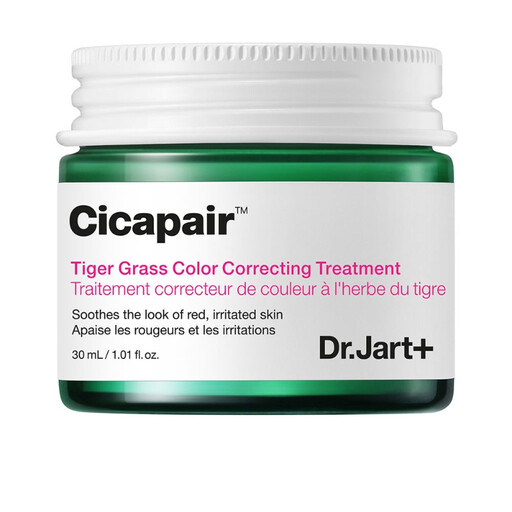
Why It's a Perfect Match: Individuals with sensitive, redness-prone skin need more than just coverage. This treatment combines color correction with skincare. The key ingredient, Centella Asiatica (Tiger Grass), is known for its soothing properties.
This isn't a vague "all-in-one" product, but a targeted solution for redness. The green cream transforms into a beige tone upon contact with the skin, thus avoiding an unnatural, greenish cast.
Combines color correction, skin soothing, and often an SPF in a single step. The formulation is specifically designed for the needs of sensitive skin.
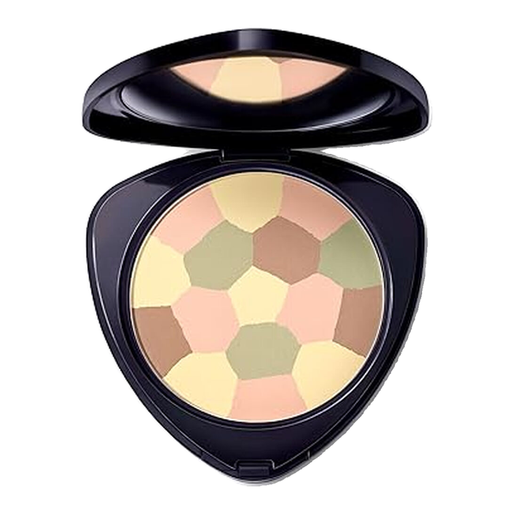
Why It's a Perfect Match: For users who prefer a natural look and only want to balance out minor irregularities. This powder provides subtle correction without weighing down the skin or looking mask-like.
The powder texture avoids the heavy, pasty effect of some creams. The combination of four shades ensures a harmonious, gentle neutralization instead of a harsh, spot-on color correction.
Provides a transparent, mattifying finish for a fresh complexion. The formula with mineral pigments and medicinal plant extracts is certified as natural cosmetics.
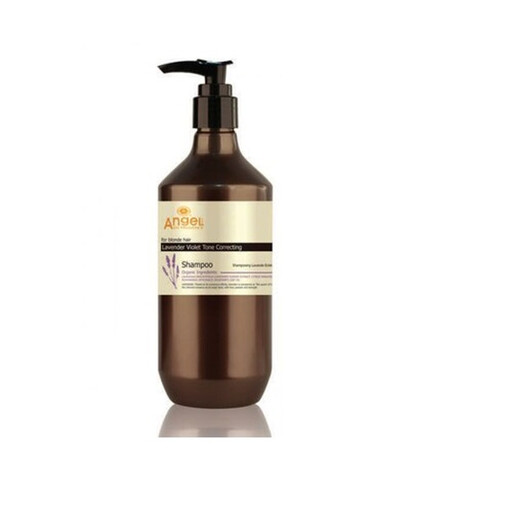
Why It's a Perfect Match: This profile is looking for a solution to a hair problem: unwanted yellow or brassy tones in bleached, highlighted, or gray hair. A purple shampoo is the go-to solution here.
This is a highly specialized product and does not attempt to solve a skin problem. It specifically addresses the chemical cause of discoloration in hair by depositing violet pigments.
Effectively removes brassiness for a cooler hair color. The formula also contains nourishing oils and, according to the manufacturer, offers UV protection to maintain the color result for longer.
We have compiled a complete, up-to-date list of products that fully meet these strict selection criteria and all applicable safety regulations.
1. Do you apply color corrector before or after foundation? This depends on the texture and the desired result. Creamy or liquid correctors are usually applied before foundation to cleansed and moisturized skin. This allows the foundation to cover the corrected color and create a natural overall look. Color-correcting powders, on the other hand, are mostly used after foundation to set the makeup and give the complexion a final perfecting touch.
2. Can you use green concealer daily to hide redness? Yes, green correction products can be used daily. However, it is advisable to apply a thin layer only to the affected areas and blend well to avoid an unnatural gray cast. Products that also contain nourishing and skin-soothing ingredients like Centella Asiatica or Niacinamide are particularly suitable for daily use on sensitive skin.
3. What is the difference between a purple shampoo and a hair toner? A purple shampoo is a cleansing product with violet pigments that deposits a small amount of color into the hair with each wash to gradually neutralize yellow tones. The effect is temporary and needs to be refreshed regularly. A hair toner is a more intensive color product that provides a longer-lasting color change but also washes out over time. The shampoo is intended for regular maintenance to preserve a cool tone, while a toner provides a stronger but less frequent correction.