
Lieferung heute & morgen

Qualitätsgarantie

Willkommens-Angebote freischalten: KOSTENLOSE Lieferung | Bis zu 80 % RABATT | Kostenlose 30-Tage-JoyPlus-Testphase
App herunterladen
The selection of colored pencils is vast, ranging from simple sets for children to professional artist-grade supplies. However, not every pencil that makes big promises on the packaging delivers in practice. Many buyers only discover after their purchase that the colors are pale, the leads constantly break, or the pencils are unsuitable for their intended purpose. To help you make the right choice, we'll highlight the most common pitfalls and show you which objective criteria truly matter.
Before you invest in a new colored pencil set, you should be aware of the typical problems that often lead to disappointment.
To avoid a bad purchase, you should focus on verifiable characteristics rather than trusting marketing claims.
The lead is the heart of every colored pencil. Its quality determines color laydown, blendability, and break resistance.
Not every pencil is suitable for every task. Choosing the right type is crucial for the success of your project.
Especially for children's pencils, the shape and materials are of great importance.
Based on these objective criteria, we have curated a selection of products for different needs and user groups.
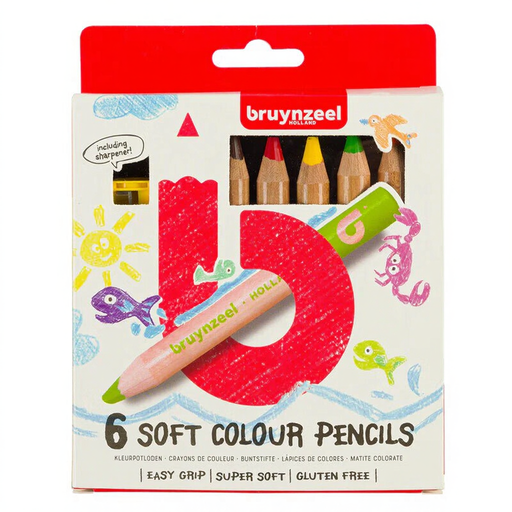
Why This Fits Their Persona: This set is specially designed for toddlers aged 3 and up. The thick, sturdy pencils fit well in small hands and support the development of hand-eye coordination without being overwhelming.
The pencils are ergonomically shaped and robust to prevent frustration from awkward grips or breaking leads. The soft lead also lays down color easily.
Thick, sturdy shape for small hands; the set includes a suitable sharpener for large pencils; designed to be gluten-free and child-safe.
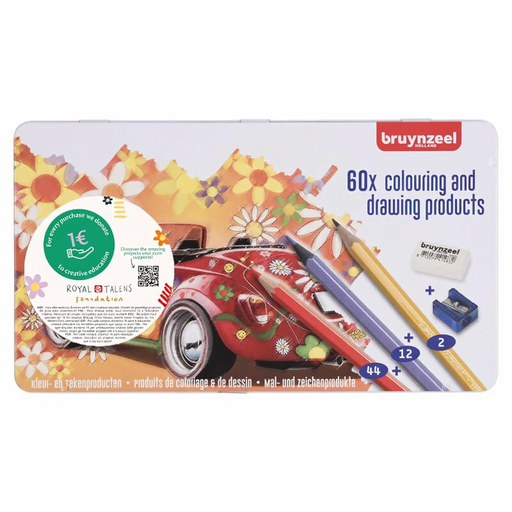
Why This Fits Their Persona: Ideal for adults and teens who enjoy coloring mandalas, bullet journaling, or simply being creative. This comprehensive set offers a wide color palette, including metallic and graphite pencils.
The double-bonded, 2.9 mm thick lead ensures high break resistance. The wide color selection and good pigmentation counteract the problem of pale results.
A comprehensive coloring set for kids and adults with 60 pieces; sturdy metal storage tin; also includes metallic and graphite pencils.
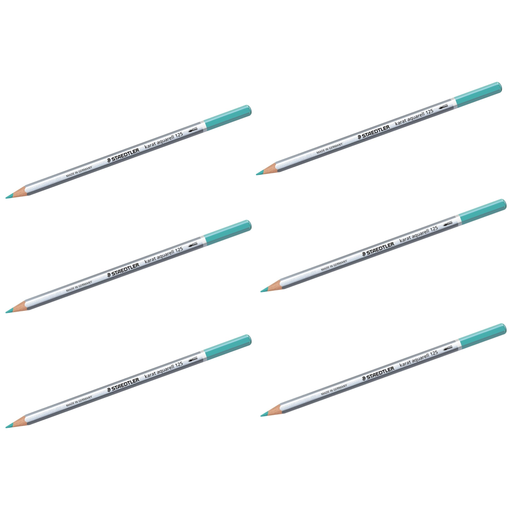
Why This Fits Their Persona: For ambitious hobbyists and art students who want to combine the precision of a pencil with the versatility of watercolor paints. Ideal for illustrations, landscapes, and creative experiments.
These are not ordinary colored pencils. Their special, highly pigmented, and water-soluble lead is engineered specifically for watercolor techniques, delivering brilliant, smooth color washes where standard pencils would fail.
High-quality, lightfast pigments; professional-grade watercolor pencils suitable for various techniques (dry, wet-on-wet); wood from FSC-certified forests.
We have compiled a complete, up-to-date list of products that fully meet these strict selection criteria and relevant safety regulations.
Wax-based colored pencils are typically softer, allowing for a rich and quick color laydown. They are well-suited for blending colors directly on the paper. Oil-based pencils have a harder lead that dulls less quickly, making them excellent for fine lines and details. They are often more break-resistant and smudge less.
It's best to store your colored pencils lying flat in a sturdy box or case to protect the leads from impact and drops. Avoid extreme temperatures and direct sunlight, as heat can soften the leads and alter their structure. A dry environment prevents the wood casing from swelling.
Not necessarily. The price often correlates with pigment quality, lightfastness, and craftsmanship, which are important for professional artist-grade supplies. However, for school use, children, or occasional hobbies, a more budget-friendly colored pencil set with good ergonomics and sufficient color brilliance may be the more suitable choice. The key is to select a pencil that matches the intended use and the user.