
Lieferung heute & morgen

Qualitätsgarantie

Willkommens-Angebote freischalten: KOSTENLOSE Lieferung | Bis zu 80 % RABATT | Kostenlose 30-Tage-JoyPlus-Testphase
App herunterladen
Choosing the right coloring pens can be a challenge given the sheer abundance of options. Whether for a child's first creative attempts, school projects, relaxing coloring sessions, or sophisticated artwork—the requirements vary widely. Often, well-intentioned purchases lead to frustration: colors that won't wash out, leads that constantly break, or pens that dry out after a short time.
As your Joybuy Product Recommendation Officer, I'm here to help you navigate these common pitfalls. This guide focuses on the objective criteria that truly matter, so you can make an informed decision.
Before we dive into the details, let's identify the problems that often lead to disappointment.
To avoid a bad buy, you should focus on three core aspects that determine a pen's quality and suitability.
The intended use determines the ideal pen type. Each type has specific characteristics:
An often-underestimated factor is the shape of the pen. An ill-fitting pen can lead to fatigue or even hand pain, especially during long coloring or writing sessions.
Two features significantly extend the life of your pens:
Based on these objective criteria, we have selected a few products from our range that are particularly well-suited for specific user groups.
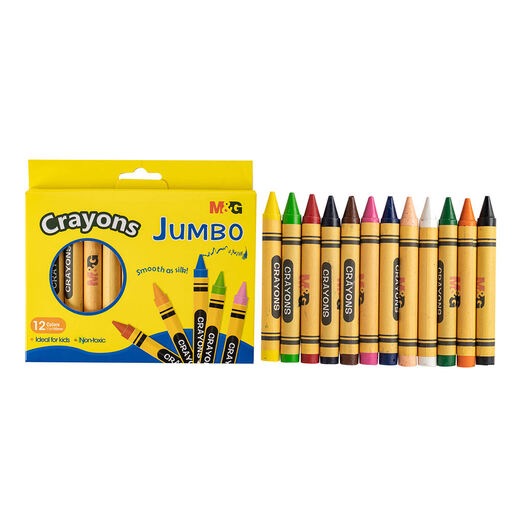
Why This Fits Their Persona: Ideal for toddlers aged 3 and up. The thick jumbo shape is easy to grip and helps develop fine motor skills without quickly tiring out little hands. The crayons are designed for safe use.
The robust wax crayon is significantly more durable than thin colored pencil leads, thus avoiding the "breakage frustration." The material is certified non-toxic by the manufacturer.
Jumbo Size: Perfect for small children's hands. Vibrant Colors: 12 bold colors promote color recognition and creativity.
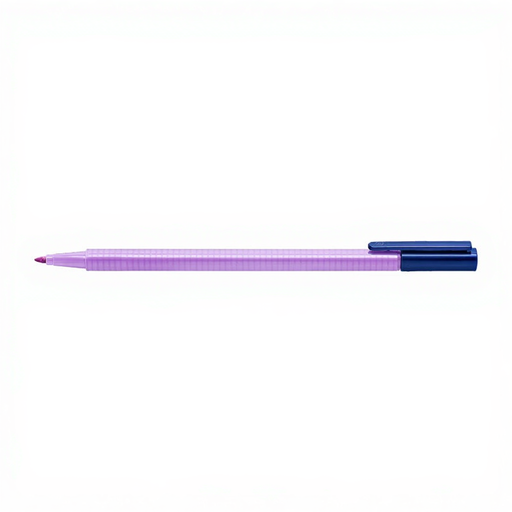
Why This Fits Their Persona: A great choice for students and hobbyists who value comfort and durability. Ideal for bullet journaling, note-taking, and coloring mandalas.
The water-based ink is washable from most textiles, solving the "washable" trap. The DRY SAFE technology also prevents the pen from drying out quickly.
Ergonomic Shape: The triangular barrel ensures relaxed writing and coloring. DRY SAFE: According to the manufacturer STAEDTLER, it can be left uncapped for days without drying out.
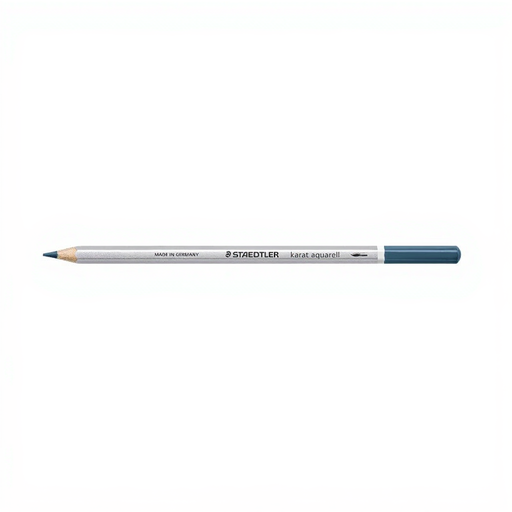
Why This Fits Their Persona: For hobby artists and art students looking to get into watercolor painting or expand their repertoire. It offers the control of a pencil with the effect of watercolor paints.
This product avoids the "misleading artist quality" trap. The soft lead has a high pigment concentration and blends cleanly with water, which is often not the case with budget alternatives.
High Pigment Quality: Ensures intense colors and excellent blendability. Sustainability: The wood is FSC-certified and sourced from sustainably managed forests.
We have compiled a complete, up-to-date list of products that fully meet these strict selection criteria and safety regulations.
The main difference lies in the composition of the lead. Watercolor pencils contain a water-soluble binder. This means you can color an area as you would with a regular colored pencil and then go over it with a wet brush. The pigments dissolve, creating an effect very similar to traditional watercolor paint. Regular wax- or oil-based colored pencils are water-resistant and cannot be blended with water.
Most manufacturers recommend storing felt-tip pens lying down (horizontally). This ensures that the ink remains evenly distributed in the tip and the reservoir. When stored upright, gravity can cause the ink to pool at one end, causing the tip to either dry out or leak. Always make sure the cap is on tight and clicks into place.
Not necessarily. For toddlers just starting their coloring journey, safety, durability, and washability are more important than pigment quality or lightfastness. In this case, special toddler-friendly wax crayons or thick, washable coloring pens are often the better and more affordable choice. For school-aged children or teenagers who are drawing with more intention, investing in a colored pencil set with more break-resistant leads and better color payoff can be worthwhile, as it minimizes frustration and encourages creative joy.