
Lieferung heute & morgen

Qualitätsgarantie

Willkommens-Angebote freischalten: KOSTENLOSE Lieferung | Bis zu 80 % RABATT | Kostenlose 30-Tage-JoyPlus-Testphase
App herunterladen
An uneven complexion can have various causes: visible redness, dark spots, dark circles or an overall dull-looking complexion. Depending on the product, a colour-correcting cream combines skincare with optical colour correction. However, formulations can vary considerably. If you focus only on terms such as “glow”, “brightening” or “instantly even-looking”, you may end up buying a cream that is unsuitable for your skin type or intended use.
A green face cream for redness can optically neutralise red tones. However, it is not automatically a full-coverage concealer. If veins, blemishes or pigmentation are more noticeable, you may also need foundation or a concealer applied to specific areas.
Terms such as “soothing”, “brightening” or “for sensitive skin” are not enough to make a suitable choice on their own. The specific INCI list is what matters. Commonly used ingredients such as niacinamide, vitamin C derivatives, Centella Asiatica, glycerine or panthenol can serve different purposes depending on the formulation. However, you cannot reliably determine individual skin tolerance from the ingredients list alone.
A colour-correcting cream containing pigments or advertised sun protection does not automatically replace a suitable sunscreen during prolonged exposure to the sun. Particularly when using products for dark spots or formulations containing AHAs, suitable sun protection should be applied during the day.
If your main aim is to conceal redness, look for a green face cream for redness or a formulation explicitly described as a colour-correcting cream. For discolouration and dark spots, products focusing on creating an even skin tone are generally more suitable.
A colour-correcting cream suitable for use under make-up should not feel excessively sticky or roll up when blended. Lightweight textures are suitable for applying several thin layers. Richer creams may feel more comfortable on dry skin, but they may require a short setting time before foundation or powder is applied.
For the eye area, a specialist concealer for dark circles is usually more practical than a face cream applied over a large area. The applicator, coverage and the ability to build up the colour gradually are important selection criteria here.
If you have sensitive skin, it is worth checking for fragrances, alcohol, essential oils and any known personal intolerances. A patch test on a small area of skin may be advisable before applying the product over a larger area for the first time. If your skin is irritated, damaged or has recently undergone treatment, follow the relevant product instructions.
When choosing a dark-spot cream or a cream for pigmentation, the recommended frequency of use and any acids it contains are also relevant. For example, the product description for the MartiDerm Pigment Zero DSP-Renovation Cream mentions AHAs. Formulations of this kind should not be incorporated into an already irritating skincare routine without following the manufacturer’s instructions.
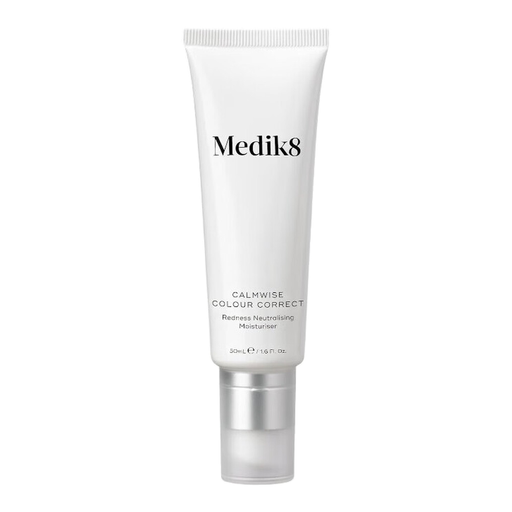
Why this product suits this profile: The combination of daily hydration and a green tint is suitable for people who want to even out redness across the face while keeping their routine straightforward.
The product description mentions a green tint to optically neutralise redness and confirms that it can be used under make-up. However, its coverage should not be confused with that of a full-coverage concealer.
The listed ingredients include niacinamide, bakuchiol, glycerine and bisabolol. The cream is described as suitable for daily use and can be worn under make-up.
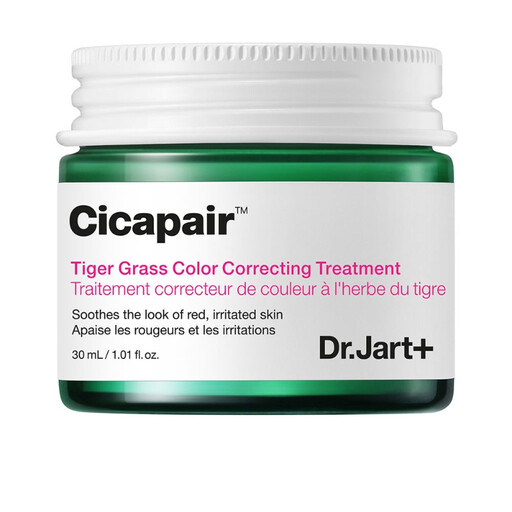
Why this product suits this profile: The colour-changing formula, which shifts from green to beige, appeals to shoppers who prefer visible correction with a natural-looking finish.
The application instructions call for thorough blending. They also explicitly point out that the pigments are not a substitute for high-factor sun protection during prolonged exposure to the sun.
The INCI list includes Centella Asiatica extract, niacinamide and panthenol. According to the product description, the cream can be used on its own or under make-up.
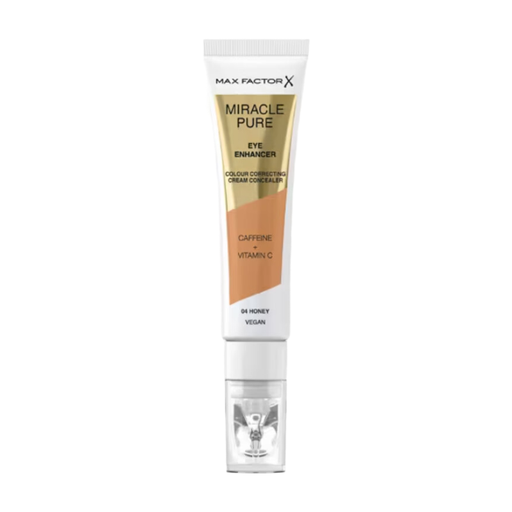
Why this product suits this profile: This creamy eye concealer is designed for shoppers who want to target dark circles and build coverage gradually.
The range of shades makes it clear that you need to check which shade best matches your skin tone. The product is designed for the eye area, rather than as a general green face cream for redness.
The product details mention caffeine, a vitamin C derivative, a lightweight texture and buildable coverage. The applicator supports precise application beneath the eyes.
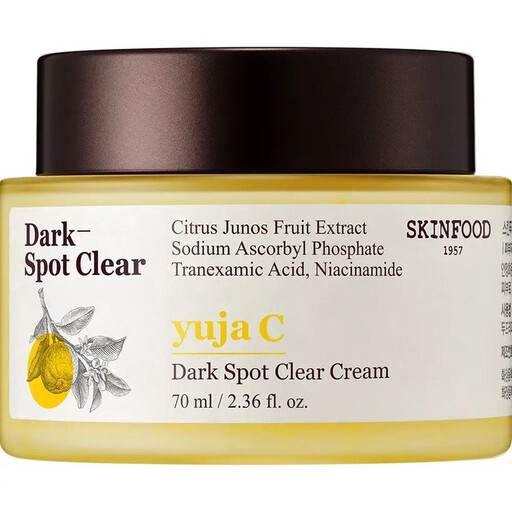
Why this product suits this profile: This cream is aimed at people looking less for instant colour correction and more for daily skincare to improve the appearance of an uneven complexion.
It is described as a skincare cream, not a full-coverage concealer. This keeps expectations for instant optical correction realistic; make-up can be applied afterwards if required.
The listed ingredients include niacinamide, yuja fruit extract, ascorbyl glucoside, glycerine and sodium hyaluronate. According to the product details, the lightweight texture is intended for use in the morning and evening.
We have put together a complete, regularly updated list of products that fully meet these strict selection criteria and the safety regulations applicable in the EU.
When trying new products on sensitive skin, a patch test on a small area is advisable. If you experience burning, itching or persistent irritation, discontinue use.
A colour-correcting cream contains skincare ingredients and optically balancing pigments. Green is often used to neutralise red tones. Other products use beige or skin-tone pigments and can even out the complexion directly. Depending on the formulation, coverage can range from light to more buildable.
Yes, according to the product descriptions, several of the products mentioned can be used under make-up. Apply a thin layer, blend thoroughly and allow a short setting time. If the cream rolls up beneath your foundation, use less product or adjust the skincare layer underneath.
The relevant information is the best-before date shown on the packaging or the symbol indicating the period of use after opening. Changes in smell, colour, consistency or skin tolerance may indicate that the product’s quality has changed. Store the product in a cool, dry place and follow the manufacturer’s storage instructions.