What should you look for when buying?
A dimmable ring light as a supplementary light
A good fit if: You want to light the mixing area as well as your camera or smartphone, and can fine-tune the settings before recording.
The trade-off: Front lighting can soften shadows and surface texture; manufacturer colour-rendering figures are no substitute for a colour test.
Repositionable continuous light
A good fit if: You want to show brushstrokes or the texture of the paper, and choose the direction of the light independently of the camera.
The trade-off: You’ll need a separate space and mount for it. Check shadows and reflections directly on your work surface. Nikon USA explains how light and shadow affect the look of an image.
Window light without an additional light
A good fit if: A test recording shows that the brightness and colours remain clear throughout your planned lesson with the white balance fixed.
The trade-off: If the daylight changes, it’s harder to compensate directly for the drop in brightness without an adjustable additional light.
Before you buy, first check how the colours look in the window light you’ll be using. Then consider how adjustable the light is, and whether the tripod and mount work with your camera’s view of the mixing area.
| What matters |
What should you look for when buying? |
Who will find this most important? |
| Colour under mixed lighting |
Check that the colour temperature is adjustable, look for model-specific colour-rendering information and test colours with the white balance set. |
If I want mixed colours to remain easy to distinguish in the video, the result with my camera and window light is what matters. Around 36% of consumers put colour performance first. |
| Changing brightness from the window |
Look for adjustable brightness and test how it performs at the distance you plan to use when recording. |
If the daylight changes during my lesson, I need an additional light that I can adjust to suit my work surface. Around 29% of consumers prioritise compensating for changing brightness from the window. |
| Space and view of the mixing area |
Check the tilt, tripod height, footprint and whether the mount is suitable; test the framing with your hands and materials in shot. |
I want to film above a flat mixing area without the tripod or light getting in the way of my hand movements. Around 21% of consumers put the setup and view of the work surface first. |
| Power supply and what’s included |
Check the power supply, tripod and device mount for the exact version, as well as the planned recording time. |
For longer recordings, I want to know whether the setup is ready to use without any unexpected extra parts. Around 14% of consumers prioritise being ready to use and having everything included. |
Joybuy products for your setup
The Joybuy products below are ring lights that can provide adjustable supplementary lighting for smartphone recordings at your workspace.
 No image available
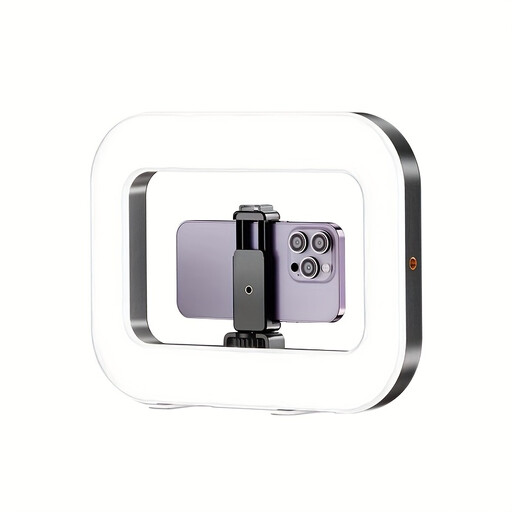
Yoever smartphone ring light with built-in battery
For smartphone recordings where you want to adjust the brightness and colour temperature to suit the window light.
Three adjustable colour temperature and brightness levels; built-in battery. 1/4-inch thread and mounting options for horizontal or vertical positioning.
View at Joybuy
 No image available
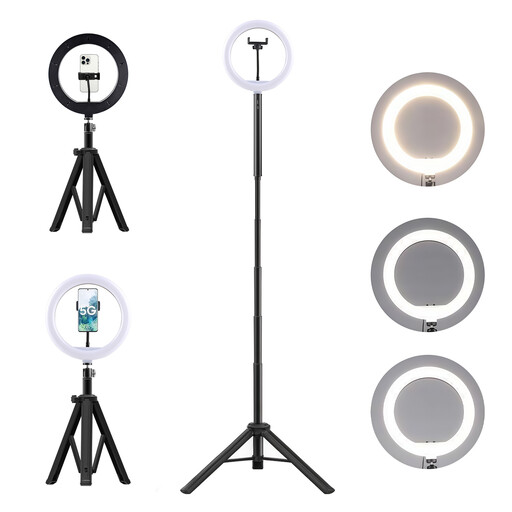
10-inch LED ring light kit with 10,000-mAh power bank
For smartphone recordings above a work surface when you want to adjust the light direction to suit your framing.
10-inch light, ten brightness levels and three colour temperature modes. Includes a tripod, 360° head and adjustable phone holder; the description mentions top-down positioning.
View at Joybuy
 No image available
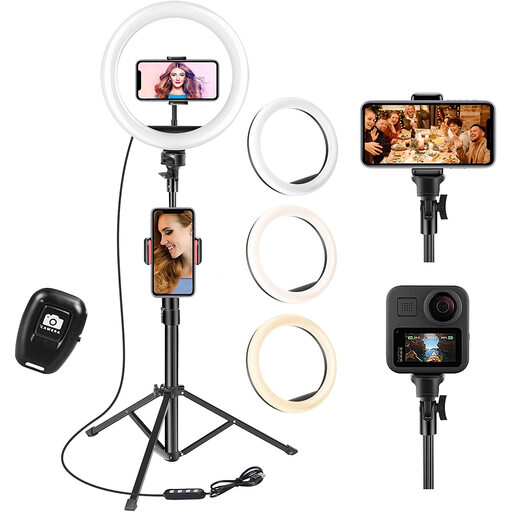
10-inch ring light kit with 63-inch tripod
For smartphone or camera recordings when you want to use a tripod to position the light over your mixing area.
Three adjustable colour temperatures from 3.000–6.000 K and ten brightness levels. Height-adjustable 63-inch tripod, smartphone or camera mount and remote control.
View at Joybuy
 No image available
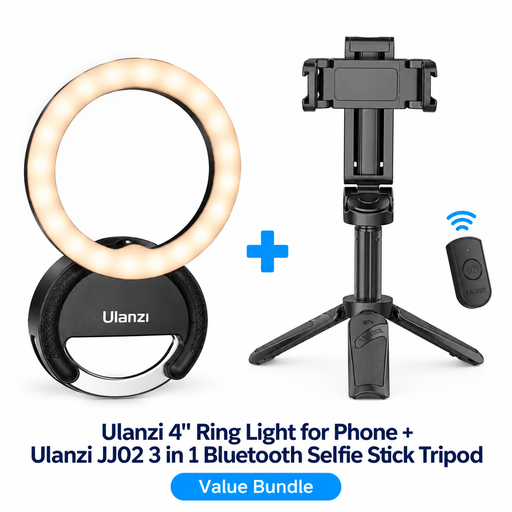
ULANZI 4" selfie ring light with JJ02 stick
For smartphone recordings when you want a ring light and a flexible mount in one kit.
Three colour temperature settings from 3.000–7.000 K and five brightness levels. The kit includes a JJ02 stick that works as a selfie stick, handgrip and mini tripod, plus two Cold Shoe mounts.
View at Joybuy
 No image available
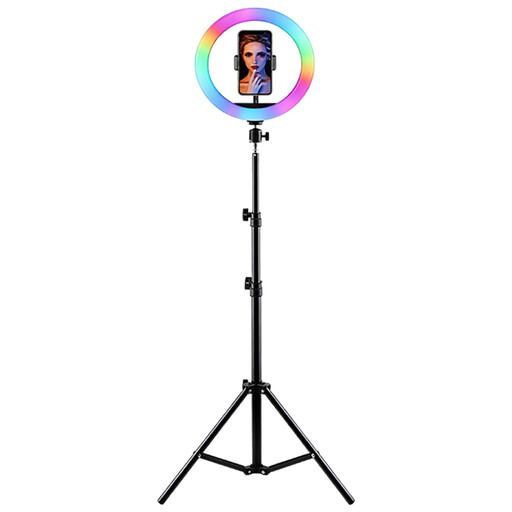
LED ring light with RGB colours and tripod
For smartphone recordings where you want to position the ring and mount over your work surface.
Adjustable brightness and colour temperature, plus RGB colours. Height-adjustable tripod, tilting ring and central smartphone holder. The description advises using it on a stable surface, keeping it away from moisture and using a suitable power supply.
View at Joybuy
Frequently asked questions
How should I set up my camera before filming a colour-mixing video by a window?
Test your colours under the actual combination of window light and supplementary lighting you’ll be using, and set the white balance if your camera allows it. Canon Europe recommends setting the white balance appropriately in challenging lighting conditions. If the mix of light changes significantly, test your colours again.
Is a larger ring automatically better for a flat mixing area?
No. What matters is the framing, distance, tilt range, footprint and how your camera is mounted. Test the setup with your hands and materials in shot, and check that the light or tripod doesn’t get in the way.
What should I check before plugging in a video light?
Check the power supply and what’s included with the exact version on offer, as well as the manufacturer’s specifications. A similarly named ring light kit may need a different power supply or different mounts.
What are my rights when buying online in Germany?
According to Your Europe, for a standard distance purchase you generally have 14 days from delivery to withdraw from the contract; exceptions and return costs should be checked separately. If goods are faulty, you generally have a statutory guarantee of at least two years from the business selling them. This is separate from a voluntary manufacturer’s warranty.
What does the CE marking mean on an electrical light?
According to the European Union, CE marking is required when the relevant harmonised rules require it for a product. It does not prove any particular level of colour rendering.


