
Lieferung heute & morgen

Qualitätsgarantie

Willkommens-Angebote freischalten: KOSTENLOSE Lieferung | Bis zu 80 % RABATT | Kostenlose 30-Tage-JoyPlus-Testphase
App herunterladen
Choosing the right coloring pencils for children can be a challenge. The market is vast, and for parents, grandparents, or educators, priorities like safety, age-appropriateness, and practicality are paramount. You want to foster creativity without worrying about harmful ingredients or stubborn stains on walls and clothing.
This guide is here to help. We'll introduce different types of coloring tools and explain their features, providing you with a solid basis to make an informed decision for your next kids' art set.
Before we dive into specific products, here are some general criteria to consider during your selection process.
Safety is the most important criterion. Look for products explicitly labeled as non-toxic. Within the EU, the CE marking indicates that a product meets the applicable safety and health requirements. This is especially relevant for pencils intended for toddlers, who tend to put objects in their mouths.
Children's motor skills develop in stages. For toddlers, chunky coloring pencils or special crayons for toddlers are ideal. Their shape makes them easier to grip and control, which helps promote hand-eye coordination. For older, school-aged children who can draw with more precision, a classic colored pencil set with thinner leads is better suited for detailed work.
Daily life with kids often involves unexpected bursts of creativity. Washable pencils are a huge relief in these moments, as color can usually be removed from skin, clothing, and smooth surfaces with just soap and water. The break-resistance of the leads is another factor that determines a pencil's longevity and helps avoid frustration for little artists. Innovative products like tempera paint sticks also offer the fun of painting but dry quickly, significantly reducing cleanup time.
Based on the criteria mentioned, we have curated a selection of products suitable for various age groups and purposes.
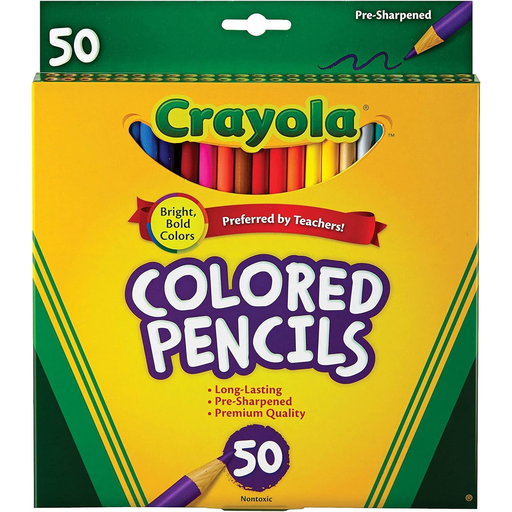
Why it stands out: This set is notable for its wide variety of colors and comes ready to use right out of the box. The pencils are pre-sharpened and suitable for a broad range of creative projects. According to the manufacturer, the wood used is sourced from sustainable forests.
Pros:
Who it's for: This colored pencil set is an excellent choice for school-aged children and adults who enjoy coloring, drawing, or filling in coloring books. It is versatile enough for school projects, illustrations, and everyday creative tasks.
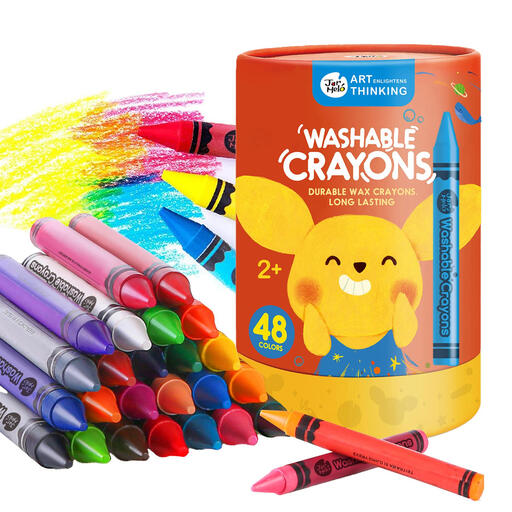
Why it stands out: These crayons for toddlers combine an ergonomic shape with a practical, washable formula. The jumbo size is specially designed for small hands, supporting their first attempts at drawing.
Pros:
Who it's for: Ideal for toddlers and preschoolers aged 3 and up who are developing their motor skills. It makes a practical gift for children and is perfect for use at home or in childcare settings.
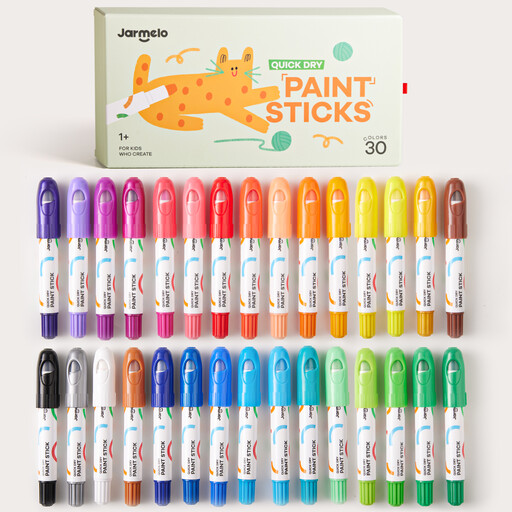
Why it stands out: These tempera paint sticks are a mess-free alternative to traditional liquid paint. According to the manufacturer, the paint dries in about 60 seconds and adheres to a wide variety of surfaces, making them a versatile tool for painting and crafting.
Pros:
Who it's for: This kids' art set is perfect for craft afternoons and projects where you want the effect of paint with minimal hassle. It's suitable for children of various ages who love to experiment.
Looking for an even wider selection, especially of classic crayons for different age groups? Discover more products in our Crayons category and find the perfect set for your needs.
When it comes to coloring pencils for toddlers, three aspects are crucial: shape, ingredients, and washability. Choose chunky coloring pencils or jumbo crayons, as they are easier for small hands to grip. Look for the non-toxic label and the CE marking. Washable pencils also make cleanup much easier after a coloring session.
Crayons from established manufacturers produced for the European market are generally safe. They must comply with EU safety standards. To be sure, always check the product packaging for labels like "non-toxic" or the CE marking.
For pencils labeled as washable, a damp cloth, perhaps with a little mild soap, is usually sufficient to clean skin and most smooth, non-porous surfaces. For stains on porous surfaces like unsealed walls or certain fabrics, removal can be more difficult. In these cases, it is best to follow the cleaning instructions provided by the pencil manufacturer.