What to look for when buying
First check whether you can control the microwave power when heating delicate ingredients. Then consider whether the baking function, cooking space and installation location will suit your everyday needs.
| What you need |
What to check when buying |
Who it matters most to |
| Soft butter, not melted |
Microwave power settings and easily controlled timing; check the butter as it heats. |
If I’m preparing butter for a sponge cake, it should give when pressed but not be liquid. Around 30% of consumers put getting the right butter consistency first. |
| Baking in the same appliance |
Check for a clearly specified convection or oven function and a suitable temperature range; a grill alone doesn’t mean the appliance can bake. |
If I want to bake using the same appliance after preparing the butter, I need a suitable second heating method. Around 30% of consumers prioritise baking in the same appliance. |
| Baking tin and available space |
Compare the appliance’s external dimensions and installation requirements with the space you have; check the usable cooking area or turntable against your tin. |
If I want to keep using a particular baking tin, it needs to fit inside the cooking compartment and, if there’s a turntable, rotate freely. For around 20% of consumers, fitting the tin and appliance into their kitchen is the main consideration. |
| Weighing up extra functions |
Consider how often you bake, how easy the appliance is to use and which accessories you need. A simpler microwave may be enough if you already have an oven for baking. |
If I only bake occasionally, I want to work out whether I’ll actually use the extra heating functions. Around 20% of consumers prioritise choosing functions that suit their needs. |
Joybuy products for preparing butter and baking
The models below combine microwave operation with a specified convection function. They’re worth considering if you want to soften butter using the microwave setting, then use the same appliance for smaller baking projects.
 No image available
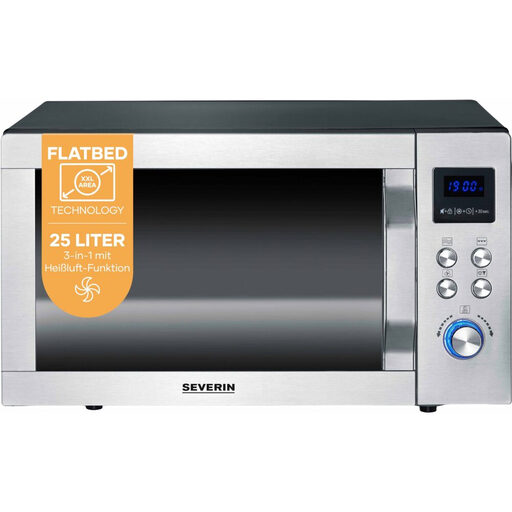
Severin MW 7777 3-in-1 microwave with glass base
An option if you want to soften butter using the microwave setting, then bake with convection in the same appliance.
10 microwave power settings; convection up to 230 °C; glass base instead of a turntable; baking tray and rack listed in the product description.
View at Joybuy
 No image available
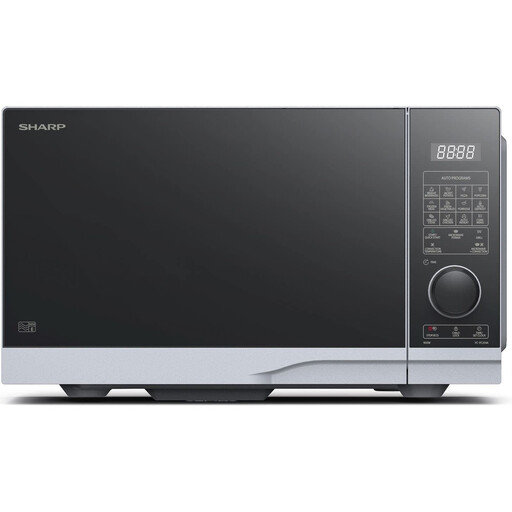
Sharp YC-PC254AE-S combination microwave, 25 l
Suitable if you want to use the microwave to prepare the butter and convection to bake your treats.
25 l; 10 microwave power settings; grill and convection; a baking tray is listed as an accessory.
View at Joybuy
 No image available
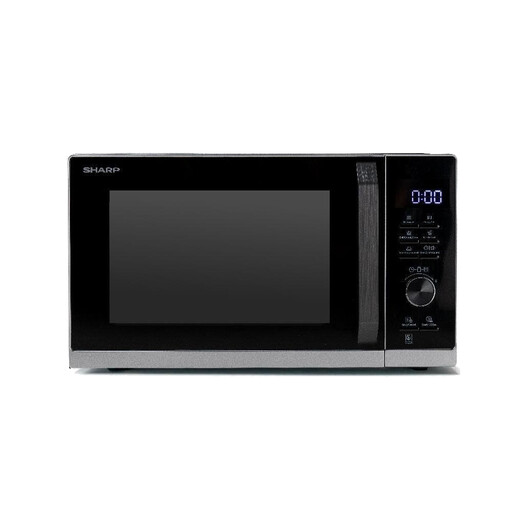
Sharp RCC271TS freestanding 3-in-1 combination microwave
A freestanding combination option if you want to heat butter, then bake or roast using convection in the same appliance.
27 l; six microwave power settings; 900 W microwave power, 1,000 W grill and 2,100 W convection heater.
View at Joybuy
 No image available
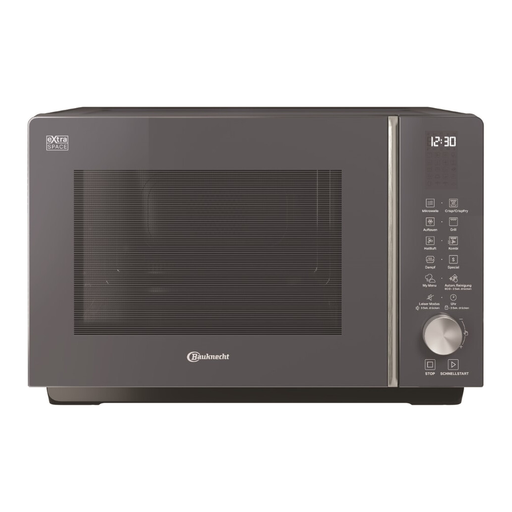
Bauknecht MF 259 SG combination microwave
Could suit you if you want a dedicated programme for butter, followed by a convection function for baking.
25 l; six microwave power settings; flat base with no turntable; the product description lists a butter-softening programme and convection.
View at Joybuy
Frequently asked questions
How can I tell if butter is soft enough for sponge cake?
The butter should give when pressed but still offer some resistance, and shouldn’t feel greasy or liquid. Dr. Oetker creams soft butter before using it in sponge cake; King Arthur Baking describes the dent left by a light press of the finger as a practical way to check its consistency. The right approach depends on the butter and its starting temperature, so there’s no one-size-fits-all microwave time.
Can any microwave-safe container also be used in convection mode?
No. Being suitable for microwave use doesn’t automatically mean a container can withstand oven heat. The Verbraucherzentrale lists glass, ceramic and certain plastics as possible materials for microwave-safe dishes. For convection mode, also check that the container is oven-safe and consult the instructions for your specific appliance.
What should I bear in mind when positioning and cleaning the appliance?
Follow the positioning and ventilation instructions in the manual for your model. Sage recommends leaving space all around the SMO870, including at least 20 cm; this manufacturer’s guidance doesn’t automatically apply to other appliances. Follow your model’s care instructions for containers and removable accessories.
What are my rights in Germany if a new appliance is faulty?
Your statutory consumer rights are against the seller and are separate from any voluntary manufacturer’s warranty. The Verbraucherzentrale recommends asking the seller to put the problem right first; check the terms of any voluntary warranty separately.
Is CE marking relevant for an electric combination microwave?
Yes, if the relevant harmonised EU rules require CE marking for the specific product. In this context, the European Commission lists electrical and electronic equipment as a product group and makes the manufacturer responsible for compliance. The CE mark isn’t an independent quality seal or a test of the baking performance of a specific product listing.


