
Lieferung heute & morgen

Qualitätsgarantie

Willkommens-Angebote freischalten: KOSTENLOSE Lieferung | Bis zu 80 % RABATT | Kostenlose 30-Tage-JoyPlus-Testphase
App herunterladen
Choosing the right stroller is one of the first major decisions for expectant parents. A combination stroller with air-filled tires promises comfort and flexibility from birth through the toddler years. However, the market is overwhelming, and many models don't live up to their claims. This guide will help you identify the crucial features and avoid common purchasing pitfalls.
As a Joybuy Product Recommendation Officer, I analyse product information for you and filter out the facts that truly matter for an informed purchasing decision.
Before we dive into the essential features, let's look at the three most common issues that lead to dissatisfaction and unnecessary expense.
To avoid these pitfalls, focus on the following three core aspects. These define the quality and longevity of a good combination stroller.
The chassis is the foundation of your child's comfort. There are significant differences when it comes to tires:
A good suspension system on the frame is just as important. It works in tandem with the tires to absorb shocks. Ensure that all four wheels, or at least the rear axle, are equipped with suspension.
A true combination stroller from birth must adapt to your child's development.
The frame should be robust but not excessively heavy. An aluminium frame offers a good compromise. Before buying, check the folded size and compare it with your car's boot. A simple folding mechanism and a height-adjustable handlebar make daily life significantly easier.
Here are some product recommendations tailored to the different needs and lifestyles of parents.

Why it's a great fit: Ideal for parents looking for a single, reliable stroller for all situations. This set accompanies the family from day one, whether strolling through the city or walking on forest paths. It is a classic example from the Hauck stroller range with a focus on comfort.
Solves the problem of a short lifespan, as the toddler seat supports up to 22 kg. The large air-filled tires and 4-point suspension prevent the "wrong tire" pitfall and guarantee comfort on any surface.
Complete 2-in-1 set including bassinet, toddler seat, footmuff, and cup holder. Large air-filled tires for all-terrain capability and superior ride comfort.

Why it's a great fit: For parents who deliberately choose a combination stroller with air-filled tires and want to maximise its benefits through regular maintenance. Safety and optimal ride comfort are the top priorities here.
Directly addresses the "overlooked maintenance" pitfall. Instead of being caught off guard by a flat tire, this device allows for proactive and easy air pressure checks, extending the life of the tires.
Cordless and portable for use on the go. The digital pressure display and auto-shutoff function ensure precise inflation to the manufacturer's recommended value.
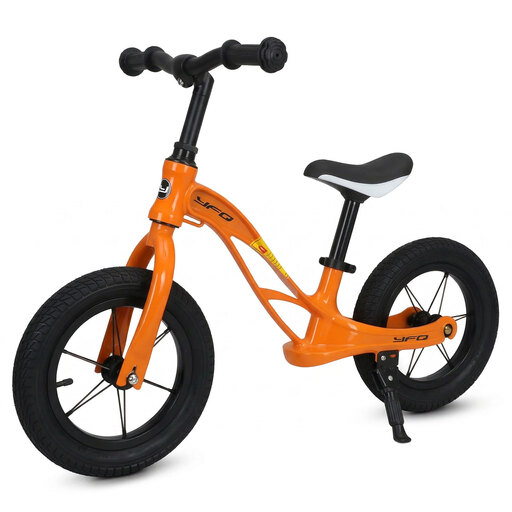
Why it's a great fit: For parents who are already thinking about the next step. Once the stroller is outgrown, a balance bike (from around 3 years old) promotes the child's motor development and sense of balance, preparing them for riding a bicycle.
This product extends the planning horizon beyond the stroller's lifespan. It's the logical next step after a stroller rated up to 22 kg has served its purpose, representing a smart follow-up investment.
Lightweight design for easy handling by toddlers. The adjustable seat grows with the child. Maintenance-free foam tires eliminate the risk of punctures.
We have compiled a complete, up-to-date list of products that fully meet these strict selection criteria and safety regulations.
1. How often do I need to inflate the air-filled tires on a combination stroller?
The frequency depends on usage and terrain. A good rule of thumb is to check the air pressure every 4 to 6 weeks. The recommended pressure is usually indicated on the tire's sidewall. Correct air pressure ensures the best ride comfort and minimises rolling resistance.
2. Is a combination stroller with air-filled tires heavier than other models?
Air-filled tires can slightly increase the overall weight compared to foam or solid rubber wheels. However, this difference is often minimal in modern models with aluminium frames. For most parents, the significant gain in ride comfort and all-terrain capability far outweighs this minor drawback.
3. Can I really use a combination stroller from birth until my child is 4 years old?
Yes, this is possible if the model meets the right criteria. The deciding factor is the maximum weight capacity of the toddler seat. Look for a certification for a body weight of up to 22 kg. This is the official standard that ensures safe use up to the age of about four, making the stroller a long-term investment.