
Lieferung heute & morgen

Qualitätsgarantie

Willkommens-Angebote freischalten: KOSTENLOSE Lieferung | Bis zu 80 % RABATT | Kostenlose 30-Tage-JoyPlus-Testphase
App herunterladen
Comfortable shoes should feel good throughout the day, provide secure support as you walk and suit the activity you have in mind. But eye-catching product claims don’t automatically mean a shoe is right for you. A soft sole, for example, may feel comfortable but offer little grip on wet surfaces. A wide fit can give your feet more room to move, while a heel that’s too loose may not hold your foot securely enough.
This buying guide explains what to look for in comfortable shoes and which styles suit different needs.
Very soft cushioning can feel pleasant when you first try a shoe on. For longer distances, though, you also need a footbed that suits your feet, a secure heel fit and a stable outsole. When choosing cushioned shoes, don’t focus on sole thickness alone. Fit matters too, as does whether the shoe gives you enough support as your foot rolls forwards.
Running shoes with a wide toe box and shoes for wide feet can help reduce pressure across the forefoot. But too much room inside the shoe can cause narrower feet to slip around. The key is to give your toes space while keeping your heel and midfoot secure.
Deep grooves can be a useful indicator, but you also need to consider the sole material and where you’ll wear the shoes. Non-slip water shoes should have textured contact surfaces, drainage channels and a footbed that fits as closely as possible. Conditions can vary considerably on wet tiles, at the beach and around the swimming pool.
Ideally, measure both feet in the afternoon, as foot size can change slightly throughout the day. Check the stated foot length in millimetres, rather than relying only on your usual EU size. For sports shoes, a little extra room can be useful if you plan to wear thicker socks.
Look out for the following:
EVA is widely used in many unisex slides and EVA pool slides. It’s lightweight, water-resistant and easy to rinse clean. However, prolonged exposure to direct sunlight can cause it to warp or discolour. After washing, leave your shoes to dry in the shade.
Textile uppers can improve airflow, making them a good choice for breathable running shoes. They usually need more care than one-piece moulded EVA styles, though. For sports shoes, wiping them with a damp cloth and leaving them to air-dry is generally better than machine washing or using harsh cleaning products.
Before choosing, be clear about what you’ll use the shoes for:
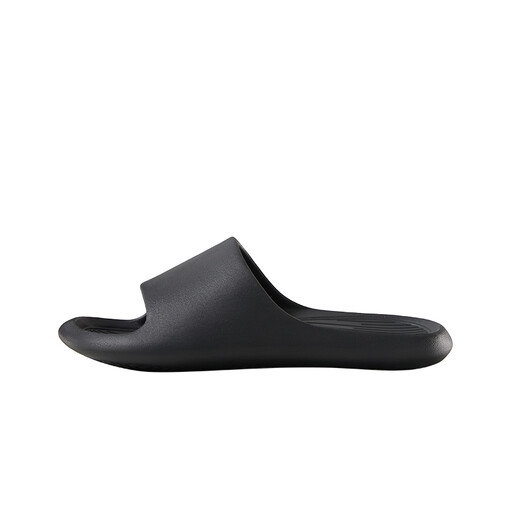
Why this product suits this profile: The one-piece EVA construction is easy to clean and suitable for home, leisure and short walks. The roomy fit may appeal if you have wider feet.
The textured, water-resistant footbed and raised toe area address common problems such as a slippery inner surface and not enough room for your toes.
EVA material, a roomy fit and low weight; according to the product details, designed for a recommended foot length of 270 mm in EU 42–43.
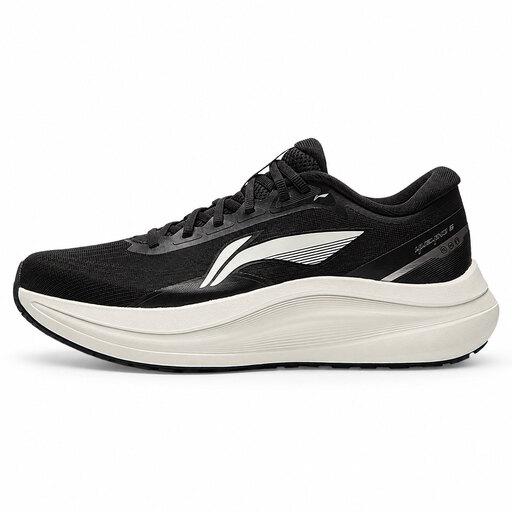
Why this product suits this profile: These running shoes are designed for people who want a wide toe box, cushioning and a supportive construction for training.
The stated wider toe box and extra heel width help avoid a very restrictive fit. If you have wider feet, the product details suggest going up half a size may be a good idea.
Full-length Tempo Bounce midsole, PROBAR-LOC support and zoned rubber outsole, according to the manufacturer.
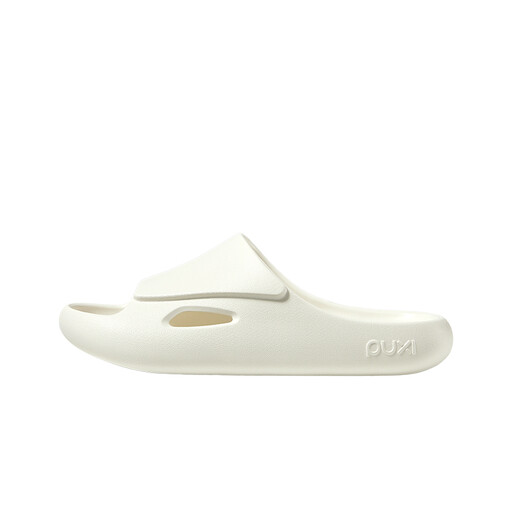
Why this product suits this profile: This style is designed for bathrooms, pool areas and other wet environments, where drainage and a textured tread matter.
Drainage channels and a wavy outsole with deep grooves are designed to tackle common issues such as water pooling and slippery soles.
Water-resistant EVA, a quick-drying construction and textured tread, according to the product description.
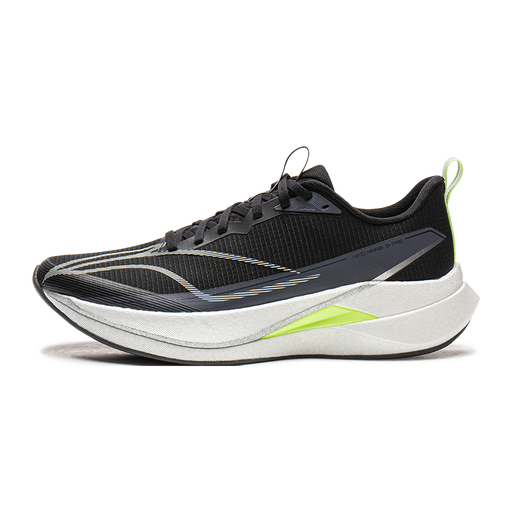
Why this product suits this profile: The combination of a wider platform, BOOM midsole and breathable fabric is designed for regular running and longer sessions.
The design combines a wider base with a TPU plate through the midfoot, helping address the common combination of a too-narrow fit and insufficient stability.
BOOM FIBER upper, dual-layer BOOM midsole and GCR rubber outsole, according to the manufacturer.
We’ve put together a complete, regularly updated list of products that meet these strict selection criteria and fully comply with the safety regulations in force in the EU.
How long your shoes last depends largely on how you use them, your body weight, the surfaces you walk on and how well you care for them. Rinse EVA slides with clean water after wearing and leave them to dry in the shade. Don’t leave running shoes damp for long periods. Let them dry completely in the open air and, if you train regularly, try to alternate between two pairs.
Check regularly:
If you notice visible damage or a clear loss of support, it’s better to replace your shoes than to keep wearing them for longer distances.
Styles with a wide toe box, a wider last or a clearly stated fit for wider feet may be a better choice. Still, measure your foot length and check the size guide for the product you’re considering.
EVA pool slides are lightweight, suitable for wet conditions and easy to care for. For longer walks, also check the heel support, footbed and tread, as not every pool style is designed for extended walking.
There’s no set mileage that applies to everyone. Check the tread, midsole, upper and fit regularly. If you notice visible wear or a change in how the shoes feel when you run, reassess the pair regardless of when you bought them.