
Lieferung heute & morgen

Qualitätsgarantie

Willkommens-Angebote freischalten: KOSTENLOSE Lieferung | Bis zu 80 % RABATT | Kostenlose 30-Tage-JoyPlus-Testphase
App herunterladen
Purchasing a new refrigerator or freezer is a major decision for any household. But with countless models, technical specs, and marketing promises, it's easy to feel overwhelmed. Hasty purchases often lead to appliances that prove too noisy, energy-intensive, or simply impractical in daily life. This guide will help you understand the crucial criteria and avoid common pitfalls.
Before we dive into the technical details, let's look at three widespread misconceptions that often lead to disappointment.
To make an informed decision, you should focus on three objective metrics that determine an appliance's true value.
The first step is choosing the appropriate form factor and volume. The needs of a family household are fundamentally different from those of a single person or a camper.
As a rule of thumb, plan for about 50–80 litres of usable capacity per person in the household.
The energy efficiency class provides an initial orientation, but the crucial figure is the annual energy consumption in kilowatt-hours (kWh/annum), found on the energy label. Multiply this value by your current electricity price per kWh to estimate the approximate annual running costs. This allows you to objectively compare whether a more expensive but more economical appliance will pay off in the long run.
The noise level of a cooling appliance is an often-underestimated factor for home comfort. Especially in open-plan kitchens or studio apartments, quiet refrigerators are essential.
Here are some product recommendations tailored to specific use cases and the criteria mentioned above.
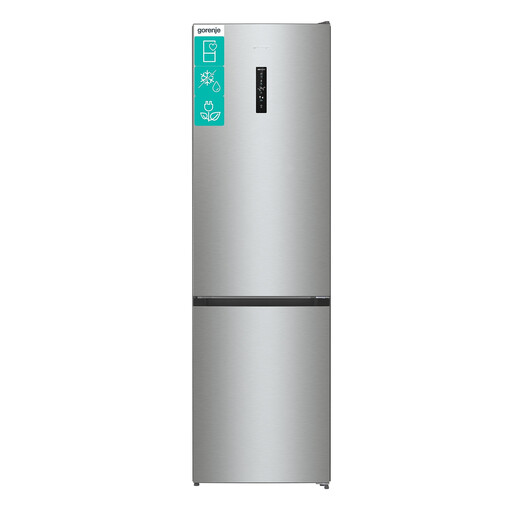
Why This Fits Their Persona: With a total capacity of 331 litres, this fridge-freezer offers ample space for a family's weekly grocery shop. The NoFrost technology and a well-designed interior make it a practical everyday helper.
The appliance avoids the noise trap with a very low noise emission of just 35 dB. Additionally, the NoFrost function saves you the hassle of defrosting, maximising convenience.
Good energy efficiency Class C (158 kWh/year) and features like SuperCool and FastFreeze for rapidly chilling fresh groceries.
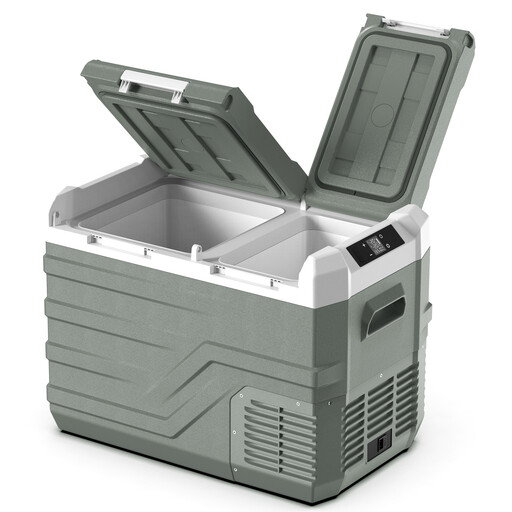
Why This Fits Their Persona: This portable refrigerator is designed for use in a car, campervan, or boat. With connections for 12V/24V and 100-240V, it's highly versatile and provides reliable cooling thanks to its compressor technology.
Unlike cheaper thermoelectric coolers, this model uses a genuine compressor. This enables fast and efficient cooling down to -20°C, regardless of the ambient temperature.
Two separately controlled temperature zones, a three-stage battery protection system to preserve the vehicle's battery, and quiet operation at 45 dB.
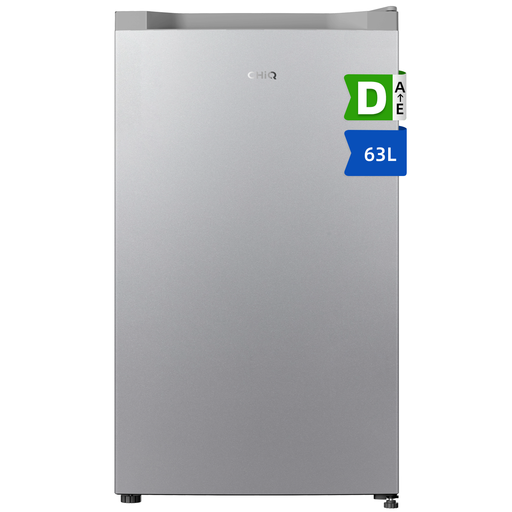
Why This Fits Their Persona: This compact mini freezer, with a 63-litre capacity and a width of just 47 cm, is ideal for small kitchens, offices, or dorm rooms. It provides enough space for one person's frozen goods.
At just 38 dB, the appliance is very quiet and won't be a nuisance even in small apartments. As it is a dedicated freezer, it forgoes expensive NoFrost technology, keeping the price low and the utility high.
4-star freezing performance for long-term storage, a reversible door for flexible placement, and a good energy efficiency Class D.
We have compiled a complete, up-to-date list of products that fully meet these strict selection criteria and UK/EU safety regulations.
The scale, in effect since March 2021, ranges from A to G. It is stricter than the old scale (A+++ to D). An appliance with a new Class E or F rating can be more efficient than an old appliance rated A++. For an objective comparison, the annual electricity consumption in kWh shown on the label is always the decisive factor.
An appliance is considered very quiet if its noise emission is below 35 dB. This is barely audible and ideal for open-plan living areas. Models between 36 and 40 dB are also still very quiet. Pay attention to this value if the appliance will be placed near you.