People responsible for the whole community bench
If you’re cleaning several suitable seat cushions or a longer, continuous area, match the nozzle, tanks and working reach to the task.


For individual stains on a cover that the care instructions say is suitable for wet cleaning, a compact spot cleaner with a suitable upholstery attachment is a sensible starting point. If you’re cleaning an entire bench, you’ll also need to consider the cleaning width, tank capacity and reach. First check whether the cover can be removed and washed separately: that doesn’t automatically mean the inner cushion is washable too. Kärcher describes spraying and then vacuuming as a method for suitable upholstery. The cleaned cushion must be completely dry before it’s used again.
If you’re cleaning several suitable seat cushions or a longer, continuous area, match the nozzle, tanks and working reach to the task.
For localised marks on a cover that the care instructions say is suitable for wet cleaning, a suitable upholstery attachment and a machine that’s easy to store are important considerations.
If the bench needs to be ready for everyone to use again soon, remember to factor in the time needed for the cushion to dry completely and for the machine to be cleaned.
Suitable if: The cover is removable and its care instructions allow machine washing.
Things to consider: Removing, washing, drying and refitting the cover all need to fit around the community’s schedule; the care instructions don’t automatically apply to the inner cushion.
Suitable if: The cover isn’t washed separately, but its care instructions allow wet cleaning and you mainly need to treat individual spots.
Things to consider: A narrow nozzle may mean more passes over a long seat; the machine and cushion will need to dry afterwards.
Suitable if: You regularly need to clean several suitable cushions or longer seating areas and have room to store the machine.
Things to consider: Larger or separate tanks and suitable nozzles can be useful for longer areas; filling, emptying and drying are still part of the job.
| What you need | What to check when buying | Who is this most relevant to? |
|---|---|---|
| Continuous bench surface | Check the width of the upholstery attachment, the clean- and dirty-water tanks, and the hose and cable lengths against the bench and the position of the sockets. | If I want to clean a longer seat evenly, I look at the cleaning width and reach. Around 31% of consumers say the size of the bench surface is their main concern. |
| Individual stains | Check for a suitable upholstery attachment and crevice nozzle; the care instructions for the specific cover must allow wet cleaning. | For the occasional spill, a handy attachment matters more to me than cleaning the whole bench. Around 25% of consumers focus on spot cleaning. |
| Drying before use | Follow the cleaning method and care instructions, plan when to clean, and don’t use the cushion again until it’s completely dry. | If the community needs the seats again soon, I factor in drying time. About 25% of consumers prioritise being able to use the seats again once they’re dry. |
| Looking after a shared machine | Compare how easy it is to clean the tanks, hose and attachments, along with the storage requirements and cleaning products recommended in the machine’s instructions. | For a shared machine, I want to be able to plan for emptying, cleaning and storage easily. For around 19% of consumers, looking after the shared machine is the main concern. |
The care instructions may apply only to the removable cover. Permission to wash that part tells you nothing about the filling.
Check the cover and inner cushion separately, and use only the cleaning method specifically allowed for each part.
Cleaning the cushion incorrectly could damage the inner padding or make it take longer to dry.
A narrow nozzle may require more passes over a longer seat. Kärcher recommends cleaning continuous upholstery surfaces evenly to help prevent water marks.
Measure the bench surface and gaps, then check which upholstery attachment is actually included and whether it suits the areas you need to clean.
Extra passes mean more time spent cleaning the community bench.
Residual moisture also depends on the specific cushion and how you use the machine. You can’t assume a general drying time will apply.
Plan the cleaning with everyone, ventilate the room and make the seats available again only when they’re completely dry.
The bench may be out of use for longer than expected.
The tanks, hose and attachments need to be cleaned after shared use and stored appropriately. The machine’s instructions may also limit which cleaning products you can use.
Check the cleaning steps and accessories before buying, and use only products recommended by the machine’s manufacturer for the specific model.
Looking after the machine takes extra time after every use; you may also need to buy suitable cleaning products separately.
The SE 3 Compact Home is a spray extraction option for medium-sized areas of suitable fabric and bench gaps.
The Clean It IN5020F0 is aimed at buyers who want to switch between different brush widths and other attachments.
The 3000 Series XW3192/11 spot cleaner is a compact option with a 3-in-1 nozzle for suitable soft surfaces.
According to the manufacturer, the SpotClean HydroSteam Pro 3700N combines washing and vacuuming with a steam function for suitable materials.
These products are intended for spot cleaning upholstery with water, where the care instructions allow this type of treatment.
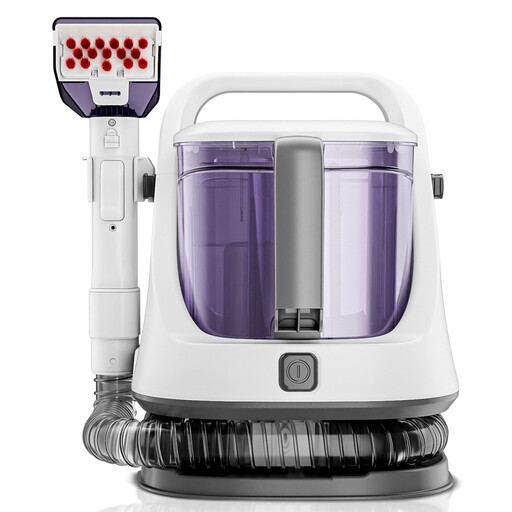 No image available
Described as an upholstery and spot cleaner for suitable sofas and cushions. Check the cover’s care instructions and let the cushion dry completely before using it again.
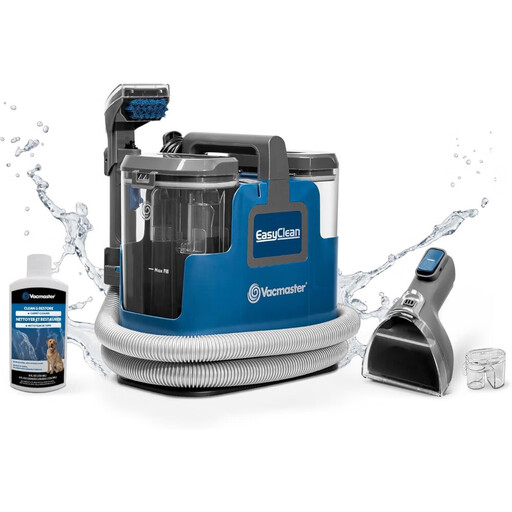 No image available
Described as a wet cleaner for upholstery and fabrics. Check that the nozzle and care instructions are suitable for the specific seat cushion, and allow time for it to dry completely before it’s used communally.
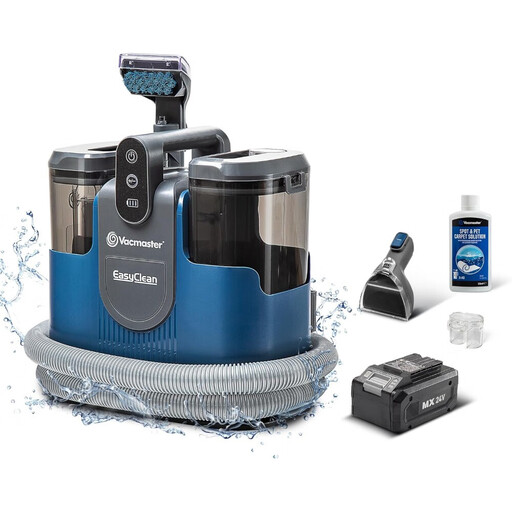 No image available
Described as a carpet washer for upholstery and spot cleaning. Check that the cover is suitable for wet cleaning, and remember that the cushion must dry completely before it’s used again.
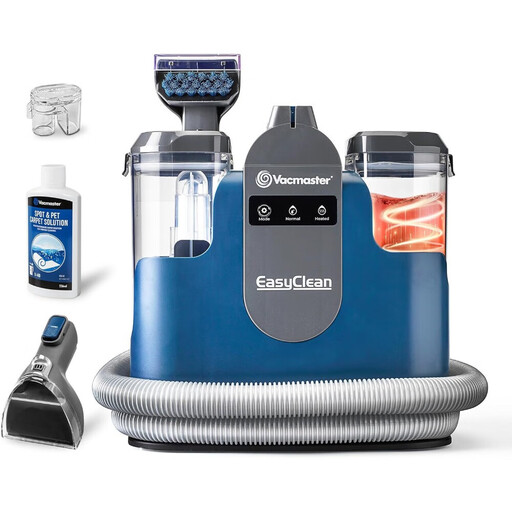 No image available
The product description mentions upholstery cleaning and dirty-water extraction. Check the cushion’s care instructions first, and allow time for drying and cleaning the machine.
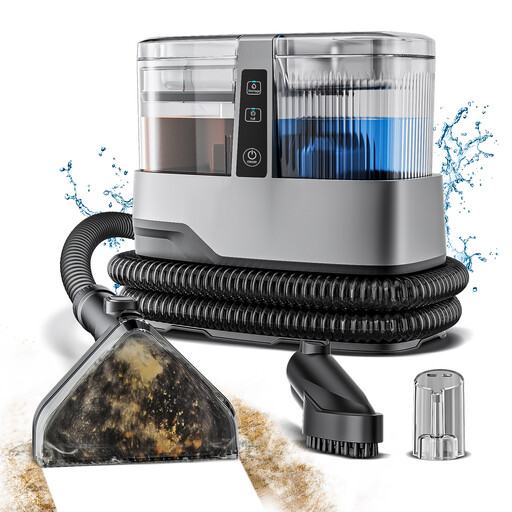 No image available
Described as a wet cleaner for suitable fabric surfaces. Test colourfastness on an inconspicuous area first, use only a compatible, low-foaming cleaning product and let the cushion dry completely.
Only the care instructions for the specific product can tell you. For example, IKEA Germany states that the removable FRÖSÖN cover can be washed at a maximum of 40 °C; the inner cushion is sold separately. This doesn’t mean the inner cushion or other bench cushions can be washed.
First remove any loose debris while dry, then follow the instructions for the machine and the cushion’s care instructions. Kärcher describes spraying on water and cleaning product, then vacuuming it up. The cushion must dry completely afterwards, and the room should be well ventilated.
Allow time to empty, clean and dry the machine, and check which cleaning product is suitable for the specific model. For a consumer purchase in the EU, you have a statutory minimum two-year guarantee from the seller. Your Europe distinguishes this legal guarantee from a voluntary manufacturer’s warranty.
Electrical appliances covered by the relevant harmonised EU rules must carry the required CE marking. This is the manufacturer’s declaration of conformity, not a test certificate issued by a central EU body. Check the marking and product information for the specific appliance before buying.
First check which products the machine’s manufacturer says are compatible, and follow the recommended dosage. For household chemicals classified as hazardous, hazard symbols, the signal word and hazard and safety statements must also be displayed when sold online. Using a suitable cleaning product won’t make a cover that isn’t suitable for wet cleaning safe to clean with water.