What should you look for when buying?
First check the angle of view for the whole scene, then the optical telephoto reach for distant subjects, and finally how well the camera handles low-light photography.
| What you’re looking for |
What to consider |
Who it matters most to |
| Wide view |
Short-end full-frame-equivalent focal length and available shooting position. |
If I want to fit the whole row of buildings into the frame from the riverbank, I first check the angle of view at the wide end; around 36 % of consumers put the overall view first. |
| Façade details |
Optical telephoto focal length and maximum aperture at the telephoto end. |
If towers or decorative features on the opposite bank are my subject, I look for optical reach rather than a digital zoom figure; around 29 % of consumers prioritise distant details. |
| Handheld dusk photography |
Maximum aperture at the focal length you plan to use, and image stabilisation for stills. |
If I want to take photos in low light without a tripod, I check the camera’s image stabilisation for stills and the maximum aperture across the focal length range I’ll use; around 21 % of consumers prioritise dusk photography. |
| Portability |
Weight including battery and memory card, and the focal length you need. |
If I want to take the camera along on a city walk, I consider not only its weight but also whether the angle of view suits my subjects; around 14 % of consumers put portability first. |
Cameras available at Joybuy
This selection includes cameras with a variable angle of view, as well as handheld compact and gimbal models for city and building photography.
 No image available
Sony Alpha 6100 APS-C mirrorless camera with 16–50-mm Power Zoom lens
The 16–50-mm Power Zoom lens offers a variable angle of view; check that its focal length range suits the riverside view you want to capture.
View at Joybuy
 No image available
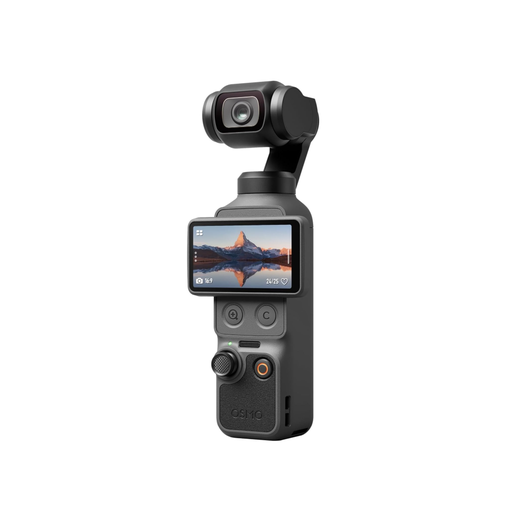
DJI Osmo Pocket 4 Standard Combo
This model is described as a pocket gimbal camera; check that its design and angle of view suit the building views you have in mind.
The product title lists a 1″ CMOS sensor, 4K/240fps, 3-axis stabilisation, 2× lossless zoom, 107 GB of built-in storage and a rotating 2″ screen.
View at Joybuy
 No image available
Komery W6 digital camera with 12× optical zoom
The product title lists 12× optical zoom; before choosing, compare the specific angle of view and focal length range with what you need for your subject.
The product title also lists 4K, Wi-Fi and 64 MP.
View at Joybuy
 No image available
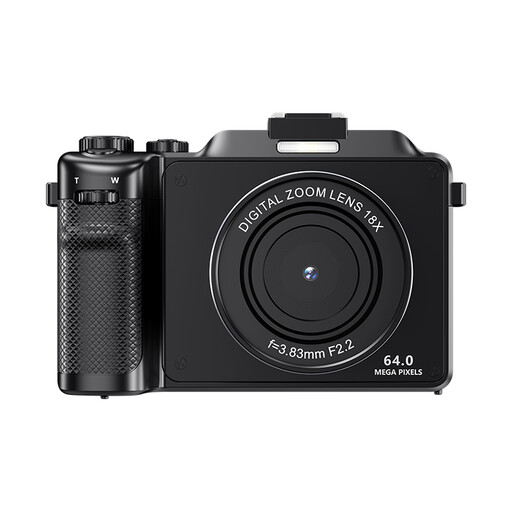
KOMERY X9 digital camera with 18× zoom
The title lists 18× zoom and an anti-shake function; before buying, check which functions are available for handheld stills.
The product title also lists 64 MP, autofocus and flash.
View at Joybuy
 No image available
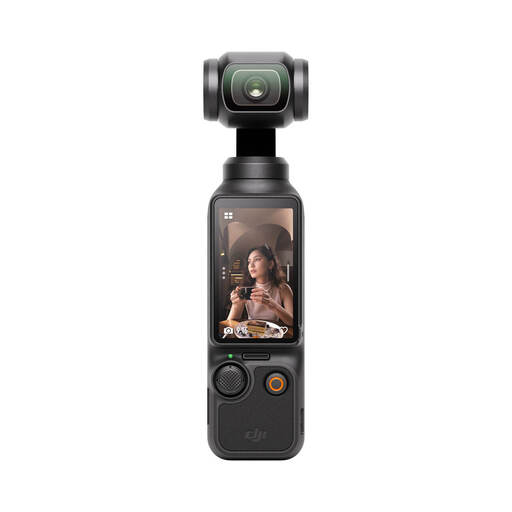
DJI Osmo Pocket 3
This product is described as a compact camera for photography and vlogging; check that the gimbal design suits how you plan to use it.
The product title lists a 1-inch CMOS sensor, 4K/120fps video, 3-axis stabilisation and a rotating 2-inch touchscreen.
View at Joybuy
Frequently asked questions
How can I stop tall buildings looking as if they’re leaning backwards in my photos?
Think about your position and try to tilt the camera upwards as little as possible. If needed, leave room to correct the perspective later. Canon Academy covers location choice and converging verticals in architectural photography. A wider zoom range alone won’t solve the perspective problem.
Do I need a tripod to take sharp photos in low light?
Not necessarily: image stabilisation can compensate for unintended camera movement at slower shutter speeds. Check the specific model’s stills function and review the results where you’re taking the photo; a manufacturer’s claim alone can’t tell you which shutter speed will be safe for every subject.
Can I photograph buildings from a public riverbank and publish the photos?
Subject to certain conditions, § 59 UrhG permits the photographic reproduction, distribution and public communication of permanent works from public paths, streets or squares; for buildings, this applies to their external appearance. Whether the conditions are met for a particular location and subject must be assessed on a case-by-case basis. The provision is published by the Federal Ministry of Justice and the Federal Office of Justice on Gesetze im Internet.
Does that also apply if passers-by are recognisable in the photo?
The rule for buildings does not automatically answer whether recognisable people may be shown in a published photo. Portraits are subject to separate rules under §§ 22 and 23 KunstUrhG, including an exception for people who appear only as incidental details alongside a landscape or other location; legitimate interests may also be relevant. The specific publication should therefore be assessed separately.
Who should I contact if the camera I bought is faulty?
The seller is generally responsible for your statutory rights, which are separate from a voluntary manufacturer’s guarantee. The Verbraucherzentrale lists repair or replacement as remedies you can request in the first instance.


