Detail seekers on dune paths
If you want to make distant structures or wildlife appear larger from a permitted spot, pay particular attention to the optical telephoto reach.


When capturing distant details from accessible paths is your priority, optical telephoto reach is a good place to start. Sensor size, aperture and viewfinder also matter when the light changes and you want to check your composition. A camera specifically designed for outdoor use may suit sandy or wet conditions, but that doesn’t automatically mean it has enough telephoto reach for distant subjects. In nature reserves, the permitted viewing spot also determines the compositions you can capture.
If you want to make distant structures or wildlife appear larger from a permitted spot, pay particular attention to the optical telephoto reach.
If you switch between wide views and details at a moderate distance, consider sensor size, aperture and how easily you can check your composition, rather than comparing only the longest zoom.
If protection from sand and moisture matters more to you than maximum telephoto reach, check the protection rating for the specific camera model.
A good fit if: You want to capture distant subjects from a permitted path and make them appear larger. Panasonic lists 24–720 mm for 4:3 photos on the TZ99; Canon lists a 24–960 mm equivalent focal length for the PowerShot SX740 HS Lite Edition.
Bear in mind: Focal length alone doesn’t tell you how well a camera captures detail in low light. CHIP Test Centre found that sharpness towards the edges and detail at higher ISO settings fell off on the TZ99.
A good fit if: You want to combine landscapes with details at a moderate distance and place more emphasis on sensor size. Panasonic lists a 24–360 mm zoom for the TZ300, while Sony lists 24–200 mm for the RX100 VII. The Sony also has an electronic viewfinder.
Bear in mind: These telephoto ranges don’t reach as far as the travel zooms mentioned here. Sensor size alone doesn’t prove that a camera will deliver better quality at every focal length or in every lighting condition.
A good fit if: Documented dust and water protection matters more to you than a long telephoto range. OM Digital Solutions lists IP6X and IPX8 ratings for the Tough TG-7.
Bear in mind: According to the manufacturer, the TG-7 has an optical range equivalent to 25–100 mm, which limits how well it can capture distant subjects.
| What to consider | What to check before buying | Who will find this most important? |
|---|---|---|
| Optical telephoto reach | Compare the optical telephoto focal length in 35 mm equivalent and the photo format it applies to. Panasonic lists 24–720 mm for 4:3 photos on the TZ99; Canon lists 24–960 mm for the SX740 HS Lite Edition. | If I want to capture distant dune formations or wildlife from a permitted path and make them appear larger, optical telephoto reach is especially important to me. Around 36% of consumers say it is their top buying priority. |
| Composing images in changing light | Check the sensor size, the maximum aperture at the zoom setting you’ll actually use, and test results for the exact model. CHIP Test Centre found that sharpness towards the edges and detail at higher ISO settings fell off on the TZ99. | If I switch between wide landscapes and details, and take photos in changing light, I want to consider the sensor and image quality together. Around 29% of consumers give this aspect the greatest weight. |
| Portability and checking your composition | Compare weights on a like-for-like basis, including the battery and memory card, and check whether the camera has a viewfinder or screen. Canon lists the SX740 HS Lite Edition at approximately 299 g with the battery and card; Sony specifies an electronic viewfinder for the RX100 VII. | On longer walks, I want a camera that’s comfortable to carry and makes it easy to check my composition on the go. Around 21% of consumers make portability and ease of use their top buying priorities. |
| Protection from sand and moisture | Check the dust and water protection ratings and care instructions for the exact model. OM Digital Solutions lists IP6X and IPX8 ratings for the TG-7; its optical range is equivalent to 25–100 mm. | If my camera may be exposed to sand or moisture, explicitly specified protection matters more to me than extra telephoto reach. Around 14% of consumers say this is their top priority. |
A zoom figure alone doesn’t tell you how much of a scene the camera can capture. Canon distinguishes between optical zoom, ZoomPlus and digital zoom on the SX740 HS Lite Edition; Panasonic also lists different types of zoom and focal lengths that vary by format for the TZ99.
Start by comparing the optical focal length range and the photo format the figures apply to. Then check results for the lighting conditions you expect to shoot in.
Protection ratings apply to the specific model and the conditions stated for it. In its general care guidance, Sony warns that sand can enter gaps in the camera body and cause wear.
Check the protection ratings and care instructions for the exact camera, and weigh them against the telephoto reach you need.
In nature reserves, marked access rules apply to photographers too. A longer telephoto range can help you capture subjects from a distance, but it doesn’t override local rules.
Plan your composition from a permitted path or viewpoint, and follow the signs at your chosen location.
The TZ99 is aimed at buyers looking for a long telephoto range in a compact camera. For the TZ300, Panasonic lists a 24–360 mm zoom range and a 1.0-inch type sensor.
According to Canon, the PowerShot SX740 HS Lite Edition combines a long optical telephoto range with a portable design.
The RX100 VII is aimed at buyers who value a viewfinder and a 1.0-inch type sensor more than an especially long telephoto range.
The Tough TG-7 is worth considering when explicitly stated protection ratings are important.
The compact cameras below vary in their zoom specifications and design. For dune photography, pay particular attention to the optical telephoto reach and stated protection, and check that they suit the location where you plan to shoot.
 No image available
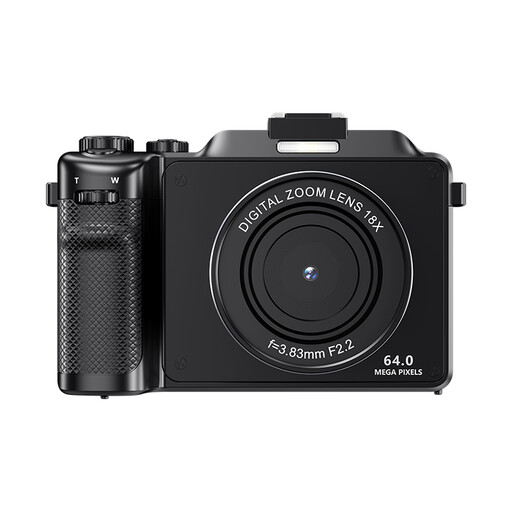
For distant subjects, compare the optical telephoto focal length in millimetres; a 12X figure alone doesn’t show how much of the scene the camera can capture.
The product title lists 12X optical zoom, 4K video, Wi-Fi and 64 MP.
 No image available
If you’re considering this camera for distant dune subjects, check whether the stated zoom refers to optical or digital zoom, and find out what telephoto focal length it reaches in millimetres.
The product description lists autofocus, image stabilisation and a built-in flash.
 No image available
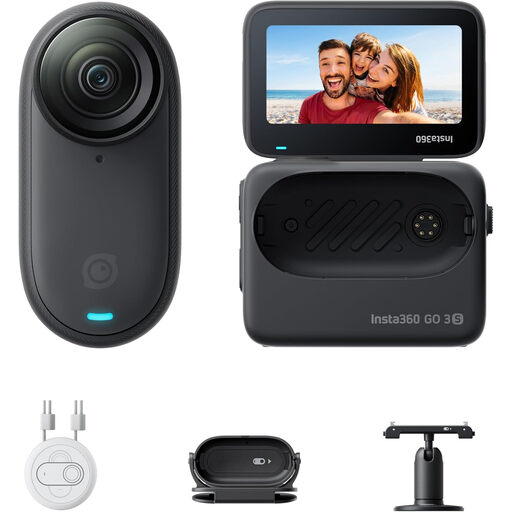
Before using it at the beach, check the guidance on contact with sand and dust; the product description advises avoiding this.
The product description lists 4K recording and an Action Pod with a flip screen. It also advises that people with a pacemaker should not wear the camera on their chest or use the magnetic pendant.
 No image available
For distant details, check the stated photo resolution and dust and water protection carefully against how you plan to use the camera.
The product description lists a weight of 18 g and an interpolated photo resolution of 2 MP. It says the camera is neither waterproof nor dustproof.
 No image available
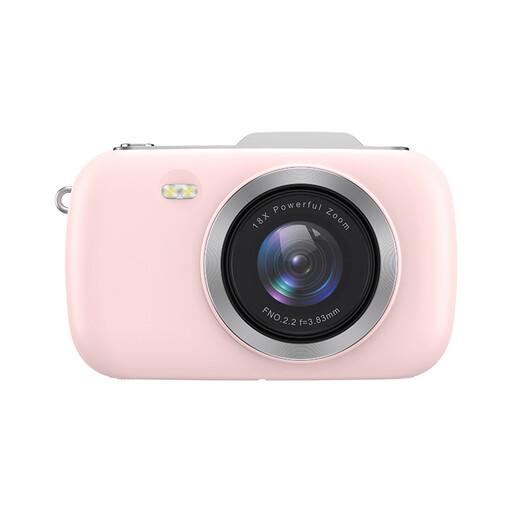
For distant subjects, it’s important to distinguish between optical and digital zoom: the 18X zoom listed for this model is digital, not optical telephoto reach.
The product title lists 4K and 80 MP.
Compare the optical telephoto focal length in 35 mm equivalent and check which photo format it applies to. Panasonic lists 24–720 mm for 4:3 photos on the TZ99; other photo formats have different focal length specifications. Digitally advertised magnification isn’t the same as optical zoom range.
Carefully remove any visible sand and follow the care instructions for your specific model. In its general care guidance, Sony warns that sand can enter gaps in the camera body and cause wear. Sony’s guidance doesn’t certify other cameras as protected.
Check the specific listing to see which memory card, power supply and case are included, and what you’ll need for your intended use. Whether you need any extra accessories depends on the variant and what comes in the box.
Not simply to take a photo. The Wadden Sea national park authorities state that protected areas may only be entered in permitted, marked areas or along designated paths. For protected dunes in Lower Saxony, the national park authority directs visitors to marked paths and dune crossings. Check the signs at the location where you plan to take your photo.