For rock landscapes with people or animals moving nearby, a compact camera with continuous autofocus and subject tracking is the better fit when capturing movement is the priority. For distant rock details, a longer optical zoom range matters more. Sony Germany lists a 24–200 mm full-frame equivalent range, continuous autofocus and tracking for the RX100 VII, while Panasonic Germany gives the TZ99 a 24–720 mm range. None of these features alone guarantees sharp photos of moving subjects: shutter speed, light and your actual shooting position all remain important.
Which camera is right for you?
Moving subjects among the rocks
You photograph people or animals nearby and want to follow their movement against a rocky backdrop. Sony Germany and Canon Germany list continuous autofocus features for relevant models. Canon Germany also points out that slower shutter speeds can cause motion blur.
Views and distant details
You want to capture both sweeping rock landscapes and distant details from an accessible viewpoint. Compare the optical zoom range at both ends: Panasonic Germany lists 24–720 mm for the TZ99, while Sony Germany gives the RX100 VII a 24–200 mm full-frame equivalent range. In Saxon Switzerland National Park, you must stick to the paths, as the Saxon Switzerland National Park and Forestry Administration advises.
Taking photos in shade or wet conditions
Think about whether a fast lens for shaded subjects or a stated level of body protection matters more on your walks. Canon Germany lists an F1.8–2.8 lens for the G7 X Mark III; OM System describes the TG-7 as waterproof, dustproof, freezeproof and shockproof.
What should you look for when buying?
For rocky landscapes with nearby movement, prioritise whichever factor is most likely to limit your photos.
| Buying priority |
What to check |
Who is it important to? |
| Moving subjects |
Compare continuous autofocus and subject tracking; check the available burst modes and suitable shutter speeds. |
If I’m photographing people or animals in front of the rocks, I want to follow their movement without confusing camera shake with subject blur. Around 36% of consumers put moving subjects first. |
| Rock landscapes and distance |
Compare the optical zoom range at both ends in full-frame equivalent terms; distinguish optical zoom from digital zoom. |
If I want to capture both the rocky scenery and distant details from an accessible viewpoint, the right framing matters. Around 29% of consumers prioritise framing and distance. |
| Shady areas |
Consider the maximum aperture at the end of the zoom range you’ll actually use, alongside the shutter speed you need. |
If I’m photographing nearby subjects in the shade, I want to keep the shutter speed fast enough to capture their movement. Around 21% of consumers focus primarily on lighting conditions and exposure. |
| Wet weather and rugged walks |
Check the stated protection ratings and care instructions for the specific model; don’t assume a camera is protected just because of its category. |
If my gear is regularly exposed to wet conditions, dust or knocks on walks, I want to know exactly what protection is specified. Around 14% of consumers put weather protection first. |
Common misconceptions
-
Image stabilisation freezes movement
Stabilisation can help counter camera movement, but it won’t automatically stop a moving subject from blurring at slower shutter speeds.
As well as photo stabilisation, check the autofocus tracking, lighting and shutter speed needed for your subject.
-
Every 30-frames-per-second claim means full-resolution photos
Panasonic describes the TZ99’s 4K Photo function as letting you select 8-megapixel images from a sequence recorded at 30 fps.
Before buying, check whether the advertised frame rate applies to photos at your preferred resolution or to a video or 4K Photo mode.
-
Maximum zoom is what matters, regardless of light and location
A longer optical zoom changes your framing, but it doesn’t resolve the trade-off between low light and fast shutter speeds.
First, consider the distances you’re likely to shoot from and where you’re allowed to take photos. Then compare the optical focal length and maximum aperture at the zoom setting you need.
Brands and model ranges at a glance
The model ranges mentioned here differ mainly in zoom range, autofocus features, fixed focal length and stated body protection.
Sony
The RX100 VII combines a compact zoom with features for changing rock landscapes and nearby movement.
- Sony Germany specifies a 24–200 mm full-frame equivalent range, tracking, continuous autofocus, optical image stabilisation for photos and an electronic viewfinder.
- Its telephoto reach is shorter than the Panasonic TZ99’s. Autofocus specifications don’t guarantee a particular hit rate.
Panasonic
The Lumix TZ99 is a travel zoom option for wide views and distant rock details.
- Panasonic Germany lists a 24–720 mm optical zoom. According to the manufacturer, its 4K Photo function lets you select 8-megapixel images from a 30-fps sequence.
- This selection feature is not the same as shooting 30 full-resolution photos per second.
Canon
The PowerShot G7 X Mark III combines a short zoom with a faster lens specification and Servo AF.
- Canon Germany specifies F1.8–2.8, a 24–100 mm full-frame equivalent range and Servo AF.
- Its shorter telephoto reach makes it less suitable for distant details than the RX100 VII or TZ99.
Fujifilm
The X100VI is a fixed-lens option for carefully composed shots of rocks and their surroundings.
- Fujifilm specifies an APS-C sensor, a 35 mm full-frame equivalent focal length, F2.0 and built-in stabilisation.
- Without optical zoom, its fixed focal length is less flexible when shooting distances vary considerably.
OM System
The Tough TG-7 is an outdoor option if stated body protection is regularly important to you.
- OM System describes the TG-7 as waterproof, dustproof, freezeproof and shockproof.
- These protection ratings don’t show whether its autofocus or angle of view is better suited to moving subjects.
Joybuy products for photography
This selection of Joybuy products includes digital cameras as well as video and action cameras for different uses. For rocky landscapes and moving subjects, check whether the photo mode, angle of view and focus controls on each model suit your needs; video stabilisation alone doesn’t mean photos are stabilised.
 No image available
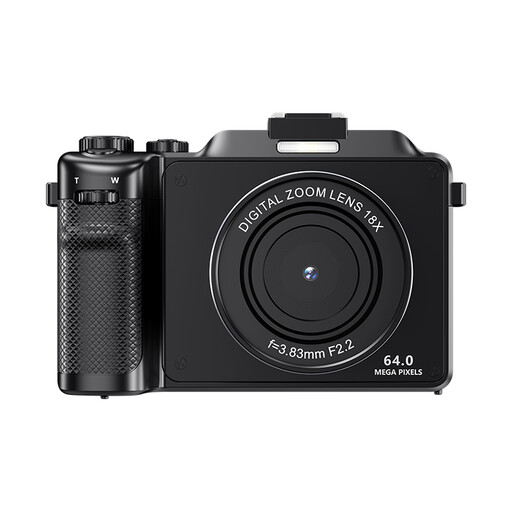
KOMERY X9 4K digital camera, black
For changing your framing, the product title lists autofocus and 18x zoom; this doesn’t guarantee a particular hit rate when shooting moving subjects.
The title also lists 64 MP and a flash.
View at Joybuy
 No image available
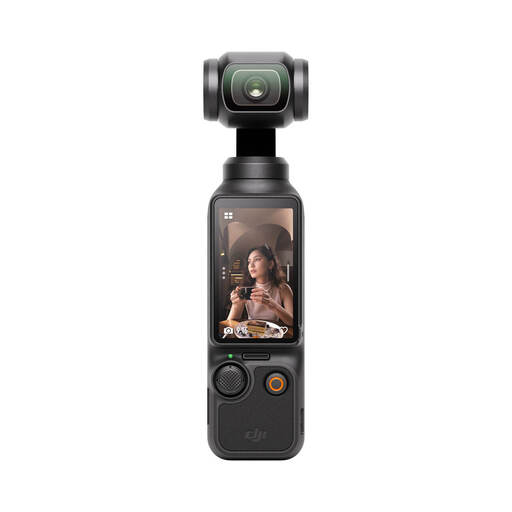
DJI Osmo Pocket 3
If video with subject tracking is your priority, the product title lists fast focusing and subject tracking. These features alone don’t prove it’s suitable for every type of photo.
Other listed features include a 1-inch CMOS sensor, 4K/120-fps video, 3-axis stabilisation and a rotating 2-inch touchscreen.
View at Joybuy
 No image available
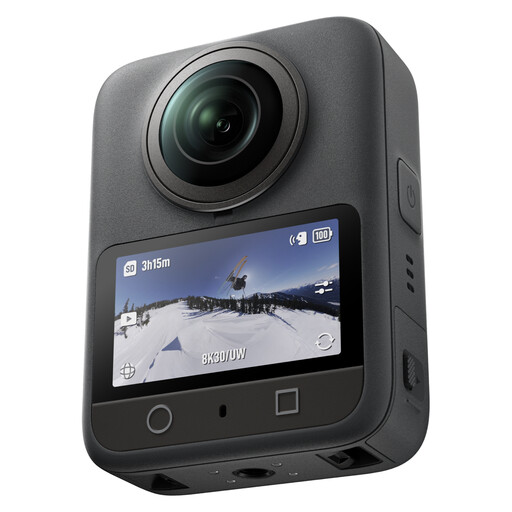
DJI Osmo 360 Standard Combo
For panoramic shots, the product title lists 120 MP panoramic photos; check whether a 360-degree image suits the framing you want.
Other features listed in the title include 8K 360° video, a 1-inch sensor and waterproofing.
View at Joybuy
 No image available
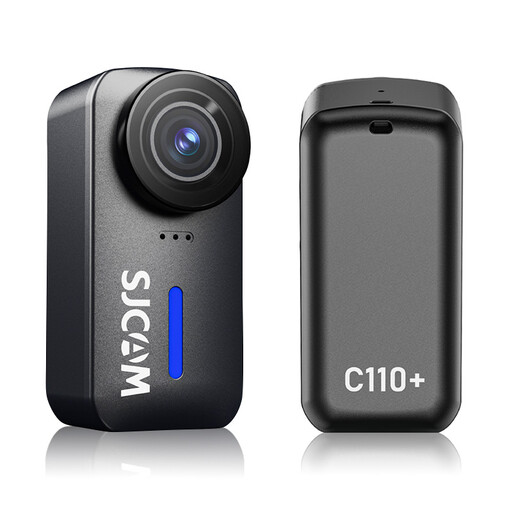
SJCAM C110+ 4K action camera
For wide-angle shots, the product title lists a 170° lens and 20 MP photos. Stabilisation is specifically stated for video, not photos.
The title also lists 4K, F1.8 and waterproofing to 30 m with the case.
View at Joybuy
 No image available
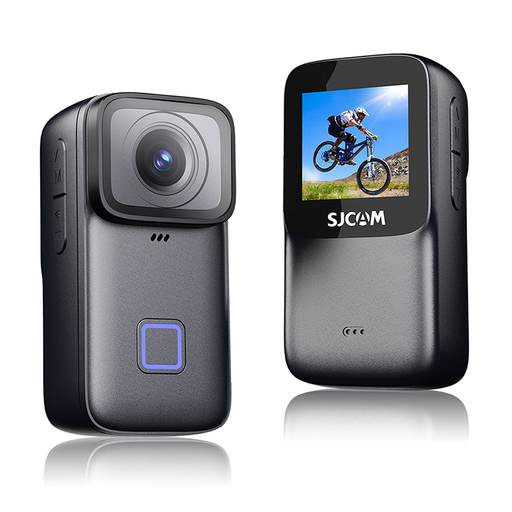
SJCAM C200 Pro 4K action camera
For wide-angle shots, the product title lists a 135° lens and 20 MP photos. The 6-axis stabilisation is described as a video feature, so it doesn’t mean photos are stabilised.
Other features listed in the title include a 1.3-inch touchscreen and waterproofing to 5 m without the case or 40 m with the case.
View at Joybuy
Frequently asked questions
How can I avoid blurry moving subjects in front of the rocks?
Use autofocus tracking and a shutter speed that suits your subject. Stabilisation helps counter camera shake, but it won’t automatically stop a person or animal from blurring as they move. In low light, choosing a fast shutter speed becomes more difficult.
Do I need a photography or filming permit for personal photos in the national park?
The Saxon Switzerland National Park and Forestry Administration explicitly states that a permit, which is generally subject to a fee, is required for commercial photography and filming in the national park. This doesn’t amount to a blanket statement covering every private situation; check with the administration in advance if you’re planning commercial photography or filming.
Can I leave a path to get a better angle?
You must stay on the paths in the national park. According to the Saxon Switzerland National Park and Forestry Administration, only marked paths or paths signposted with waymarkers are permitted in the core zone. Check whether you’re in the national park or the neighbouring landscape conservation area.
What should I do before my first walk?
Practise tracking moving subjects with autofocus and choosing the right shutter speed, and get familiar with your camera’s controls. Plan your framing from a permitted viewpoint rather than leaving a path to take a photo.
Who should I contact if something goes wrong after purchase?
If you buy from a retailer in Germany, you have statutory rights against the seller under the legal guarantee. The Verbraucherzentrale states that the relevant period is two years from delivery; this is separate from any voluntary manufacturer’s warranty.


